
Beautiful Plants For Your Interior
Beautiful Plants For Your Interior
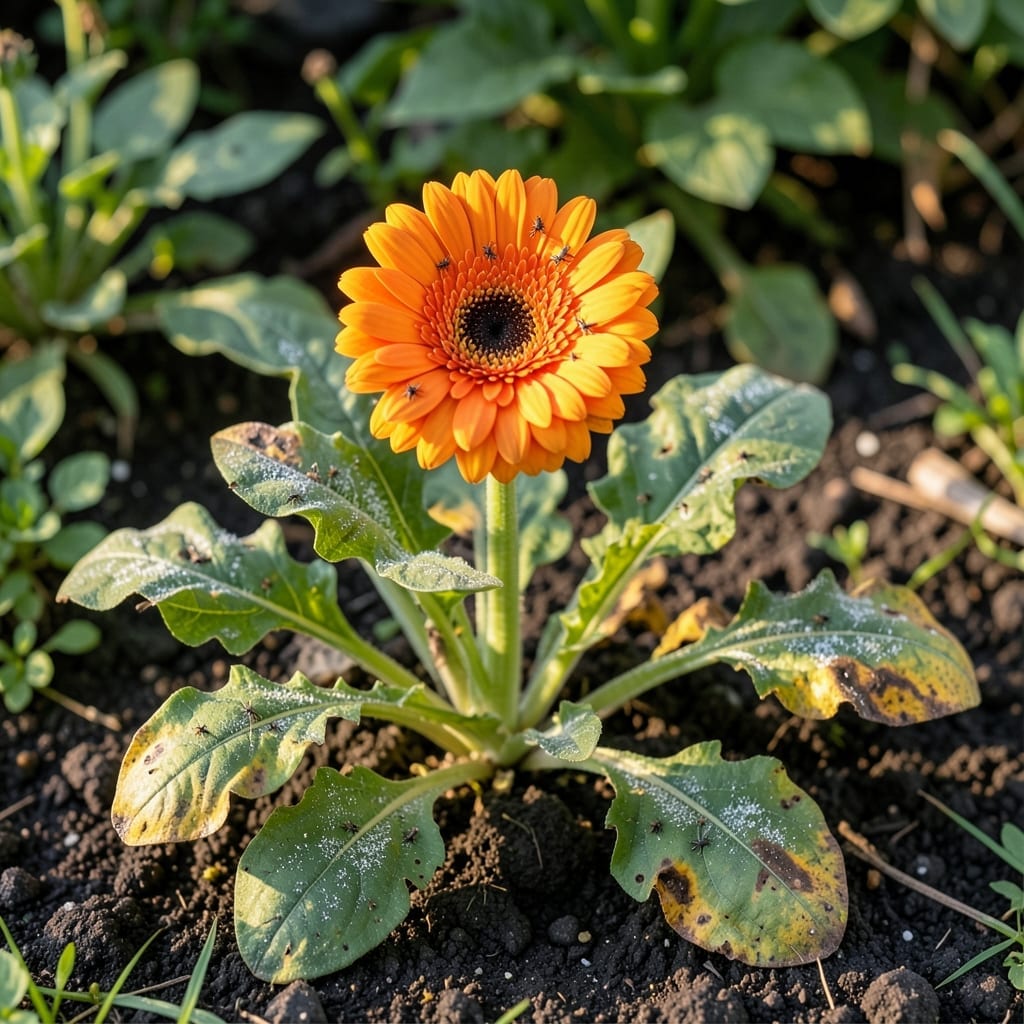
My gerbera daisies looked perfect yesterday, then drooped overnight. 🌼 Turns out, wilting blooms and leaf spots are their way of saying something’s wrong—usually water, light, or a sneaky fungus.
I’ve nursed dozens back from the brink. The fix is often simpler than you think: adjust watering, improve airflow, or move them to morning sun. Most issues show up in the leaves before the flowers even realize they’re in trouble.
With the right approach, those vibrant blooms bounce back in 2-3 days. The key is catching the early signs—yellowing edges, brown spots, or stems that feel soft instead of firm.
Works for potted plants, garden beds, or that one stubborn daisy on your windowsill. Let’s turn those frowns upside down.
Gerbera daisies are vibrant but sensitive plants, and their problems often stem from environmental or care-related stressors. Below are the most common causes behind wilting, leaf spots, and other issues.
Excessive moisture suffocates the roots, leading to root rot. Gerberas thrive in well-draining soil, and waterlogged conditions encourage fungal growth (e.g., Phytophthora or Pythium). Always use pots with drainage holes and let the top inch of soil dry between waterings.
These plants prefer 60–75°F (15–24°C) during the day and a 10°F drop at night. High humidity (above 60%) or sudden temperature swings can trigger leaf spot diseases like Alternaria or Septoria. Ensure good airflow and avoid misting leaves directly.
Leaf spots often result from fungal pathogens (e.g., powdery mildew) or bacteria (e.g., Xanthomonas). These thrive in damp, crowded conditions. Remove infected foliage immediately and apply a copper-based fungicide if needed.
Yellowing leaves or stunted growth may signal nutrient deficiencies. Gerberas need balanced fertilizer (10-10-10 NPK) but can suffer from iron chlorosis in alkaline soil (pH > 7.0). Test soil pH and amend with sulfur or iron chelates if necessary.
Aphids, spider mites, and whiteflies sap plant vitality, causing wilting or distorted growth. These pests also spread viruses like Gerbera latent virus. Use insecticidal soap or neem oil for early intervention.
Gerbera daisies can face a few common problems, but don’t worry—most are easy to fix with a little know-how. Below are practical solutions for the most frequent issues, along with tips to keep your plants thriving.
If your gerbera daisy’s blooms are drooping, it’s often due to underwatering or overwatering. Check the soil: if it’s bone-dry, give it a deep drink. If it’s soggy, let it dry out before watering again. Ensure the pot has drainage holes to prevent root rot. Prevention tip: 💡 Water when the top inch of soil feels dry, and avoid letting the plant sit in saucers of water.
Yellow leaves usually signal overwatering or poor drainage. Trim the affected leaves and adjust your watering schedule. If the soil is waterlogged, repot the plant in fresh, well-draining mix. Prevention tip: ✨ Use a pot with drainage holes and a light, airy potting mix to keep roots healthy.
Fungal issues like powdery mildew or leaf spot thrive in humid, poorly ventilated conditions. Remove infected leaves immediately and avoid wetting the foliage when watering. Apply a fungicide if needed. Prevention tip: 🌡️ Space plants for good airflow and water at the base to keep leaves dry.
Aphids, whiteflies, or spider mites can stress your gerbera. Wipe leaves with a damp cloth or spray with insecticidal soap. For stubborn infestations, use neem oil. Prevention tip: 🎯 Inspect plants regularly and keep them clean to deter pests.
With these fixes and a little care, your gerbera daisies will bounce back and bloom beautifully!
Wilting often means underwatering or overwatering. Check soil moisture—if dry, water deeply; if soggy, let it dry out. Ensure pots have drainage holes to prevent root rot.
Brown spots usually signal a fungal infection. Remove affected leaves, improve airflow, and avoid wetting foliage. A copper-based fungicide can help if the issue persists.
Yes! Trim yellow leaves and check for overwatering or poor drainage. Repot in fresh, well-draining soil and adjust your watering schedule. Most recover in 1-2 weeks.
Inspect plants regularly and keep leaves clean. Use insecticidal soap or neem oil at the first sign of aphids or mites. Good airflow also deters pests naturally.