
Beautiful Plants For Your Interior
Beautiful Plants For Your Interior
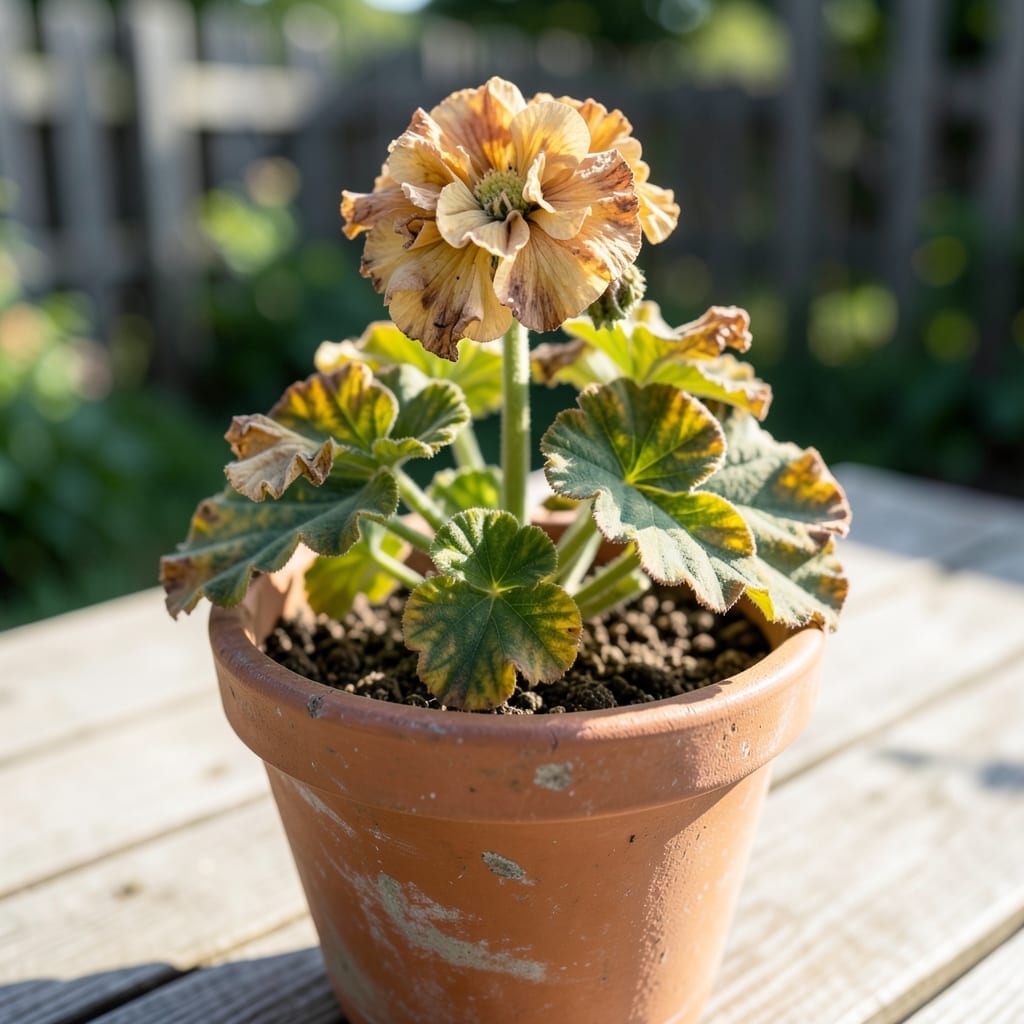
Geraniums should be the easiest plants to keep alive. I’ve watched mine go from vibrant blooms to sad, drooping messes in days, and it’s always one of three things.
Overwatering, poor drainage, or a sudden change in light can kill flowers fast. The good news? Most issues fix themselves with a simple adjustment to your routine.
I’ve revived countless geraniums by checking the soil first—if it’s soggy, stop watering. If it’s bone-dry, give it a deep drink and move it to better light.
Within a week, you’ll see new growth if you catch it early. The key is acting fast before the whole plant gives up.
Geranium flowers wilt or die prematurely due to several stress factors, often tied to environmental or care imbalances. Understanding these triggers helps you correct them quickly.
Geraniums thrive in 65–75°F (18–24°C). Exposure to temps below 50°F (10°C) or above 90°F (32°C) disrupts cellular function, causing flowers to drop. Heat stress accelerates moisture loss, while cold shocks slow nutrient uptake, starving blooms.
Root rot from soggy soil or drought stress from dry conditions both trigger flower death. Geraniums need well-draining soil and water only when the top 1–2 inches are dry. Saturated roots suffocate, while parched roots can’t deliver water to blooms.
A lack of phosphorus (key for flowering) or potassium (for disease resistance) causes weak, dying blooms. Yellowing leaves often signal nitrogen deficiency, but flower-specific decline points to imbalanced fertilizer. Use a 10-20-10 or 5-10-5 formula for blooming plants.
Spider mites, aphids, and whiteflies sap plant energy, while fungal diseases like Botrytis (gray mold) rot flowers in humid conditions. Check undersides of leaves for pests and remove infected blooms immediately to prevent spread.
Geraniums require 6+ hours of direct sunlight daily. Insufficient light leads to leggy growth and aborted flower buds. South-facing windows or supplemental grow lights can compensate in low-light spaces.
Bringing your geraniums back to life starts with pinpointing the issue and applying the right fix. Below are the most common causes and their straightforward solutions, plus tips to keep your blooms thriving long-term.
Fix: Stop watering immediately and check the soil. If it’s soggy, repot the plant in fresh, well-draining potting mix. Trim any black, mushy roots with sterilized scissors. Use containers with drainage holes to prevent waterlogging.
Prevention: Water only when the top inch of soil feels dry. Stick your finger in to test—geraniums prefer slightly dry conditions over damp ones. 💡 Pro tip: Elevate pots to ensure excess water can escape freely.
Fix: Move your geraniums to a sunnier spot where they can get at least 6–8 hours of direct sunlight daily. South- or west-facing windowsills are ideal. If growing outdoors, relocate to a brighter area but acclamate them gradually to avoid sunburn.
Prevention: Rotate pots weekly for even light exposure. If natural light is limited, supplement with a grow light for 12–14 hours a day.
Fix: Geraniums wilt in extreme heat (above 90°F) or cold (below 50°F). Move potted plants indoors during heatwaves or frosts. For garden plants, use shade cloth in summer or mulch heavily in winter to insulate roots.
Prevention: Keep them in a stable environment—ideal temps are 65–75°F during the day and 50–60°F at night. ✨ Pro tip: Avoid placing pots near drafty windows or heaters.
Fix: Inspect leaves and stems for aphids, spider mites, or whiteflies. Spray off pests with a strong stream of water, then apply insecticidal soap or neem oil every 5–7 days until gone. Remove heavily infested leaves.
Prevention: Keep the area clean and debris-free. Introduce beneficial insects like ladybugs, or use yellow sticky traps to monitor and catch pests early.
Fix: Yellowing leaves or weak blooms often mean a lack of nutrients. Feed with a balanced, water-soluble fertilizer (10-10-10 or 20-20-20) every 2–4 weeks during the growing season. For quick revival, use a bloom booster high in phosphorus.
Prevention: Refresh potting soil annually and avoid over-fertilizing, which can burn roots. Always follow package instructions for dilution rates.
Water when the top 1-2 inches of soil feel dry. This typically means every 5-7 days in warm weather, but always check first. Overwatering causes root rot, which kills blooms fast.
Yes! Move them to shade during peak heat and water deeply. Trim damaged blooms to redirect energy. Most bounce back within 1-2 weeks if temperatures stay below 90°F.
Use a 10-20-10 or 5-10-5 formula every 2-4 weeks. The higher middle number boosts phosphorus for blooms. Avoid over-fertilizing, which can burn roots.
Yellow leaves often signal nitrogen deficiency, while healthy flowers mean phosphorus is sufficient. Switch to a balanced fertilizer and check for soggy soil, which can also cause yellowing.