
Beautiful Plants For Your Interior
Beautiful Plants For Your Interior
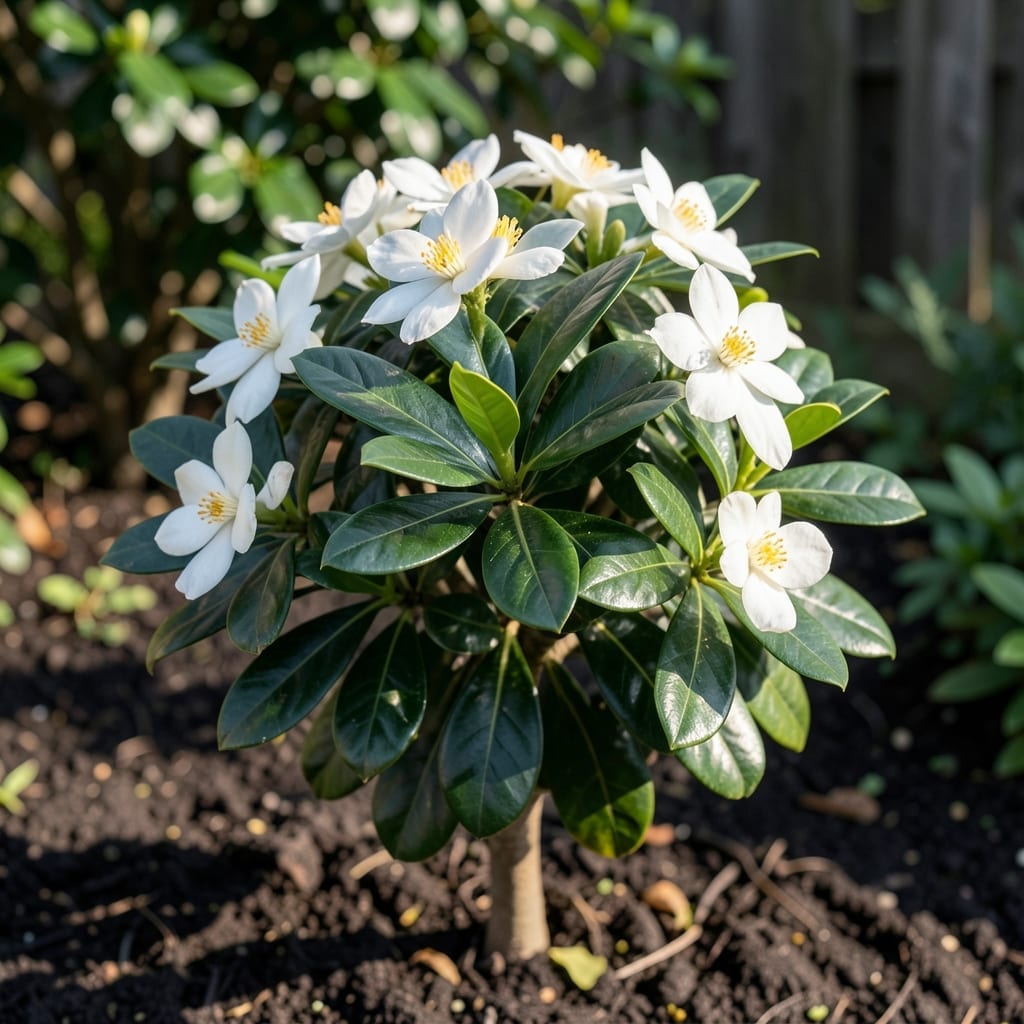
Gardenia blooms can turn any space into a fragrant paradise. I’ve learned the hard way that these plants demand consistent moisture and just the right light—too much or too little, and they’ll protest.
The payoff is worth it: glossy leaves and intoxicating flowers that last for weeks. With a few tweaks to your routine, you’ll keep them thriving through every season.
📚 In This Guide
Here’s the reliable approach I use to keep gardenias blooming beautifully with minimal fuss.
Place your gardenia in a spot with bright, indirect light for 6-8 hours daily. A south or west-facing window works perfectly. Direct hot sun can scorch the leaves, so filtered light through a sheer curtain is ideal.
If leaves turn yellow or brown at the edges, it’s getting too much direct sunlight. I’ve found that morning sun with afternoon shade produces the healthiest growth and most abundant flowers.
Water when the top inch of soil feels dry to the touch. Gardenias prefer consistently moist but not soggy soil. Use room-temperature water and water at the base to keep leaves dry, which prevents fungal issues.
These plants are sensitive to both drought and overwatering. I check the soil every 2-3 days in warm weather. If the leaves start to droop slightly, it’s time to water immediately.
Gardenias thrive in 40-50% humidity. If your home is dry, place the pot on a tray filled with pebbles and water. The evaporating water increases humidity around the plant without waterlogging the roots.
Keep the temperature between 65-75°F during the day and no lower than 60°F at night. Sudden temperature drops can cause bud drop, so avoid drafty areas near doors or windows.
Feed your gardenia with an acid-loving plant fertilizer every 2-4 weeks during the growing season. I use a balanced liquid fertilizer diluted to half strength to avoid burning the roots.
Prune after flowering to shape the plant and encourage bushier growth. Remove dead or weak stems, and trim back leggy growth by about one-third. This keeps the plant compact and promotes more blooms next season.
In winter, reduce watering but keep the soil from completely drying out. Stop fertilizing during this dormant period. If the air is too dry, mist the leaves lightly every few days.
Watch for yellowing leaves, which often indicate a need for more acidic soil. I repot my gardenias every 2-3 years in fresh, well-draining potting mix to maintain their health and vigor.
These small adjustments make a world of difference in keeping your gardenias thriving.
Light Precision: That 6-8 hours daily of bright, indirect light is non-negotiable. I learned the hard way that even an hour less can lead to weak growth and fewer blooms. A sheer curtain in a south-facing window gives perfect filtered light without the risk of leaf scorch.
The Watering Sweet Spot: Checking the soil every 2-3 days in warm weather prevents the two biggest killers: drought stress and root rot. Trust me on this—gardenias will drama-queen droop at the first sign of thirst, but they bounce back quickly once watered. Always use room-temperature water to avoid shocking the roots.
Temperature Stability: That 65-75°F range during the day and 60°F minimum at night isn’t just a suggestion. I’ve lost buds to cold drafts near windows. Keep them away from air conditioning vents and heating sources—consistency is everything for these tropical beauties.
Humidity Hack: If your home is dry, that pebble tray method works wonders for hitting the 40-50% humidity sweet spot. Just make sure the pot isn’t sitting directly in water—that’s how you get root rot instead of happy plants.
Yellow leaves often signal overwatering or poor drainage. Check soil moisture and ensure pots have drainage holes. Nutrient deficiencies (like magnesium) can also cause this—try a balanced, acid-loving plant fertilizer.
Water when the top inch of soil feels dry. Gardenias prefer consistently moist (not soggy) soil. In hot climates, this may mean watering 2-3 times a week; in cooler areas, once a week may suffice.
Yes! Place them near a bright, south-facing window with indirect light. Use a humidifier or pebble tray to maintain humidity, and keep temperatures between 65-75°F for best results.
Lack of blooms can stem from insufficient light, incorrect pruning, or low humidity. Ensure 6-8 hours of sunlight daily, prune after flowering, and maintain high humidity levels.
Use a slow-release, acid-forming fertilizer (e.g., for azaleas or camellias) with a ratio like 10-10-10. Apply every 4-6 weeks during growing season, and avoid over-fertilizing, which can harm roots.