
Beautiful Plants For Your Interior
Beautiful Plants For Your Interior
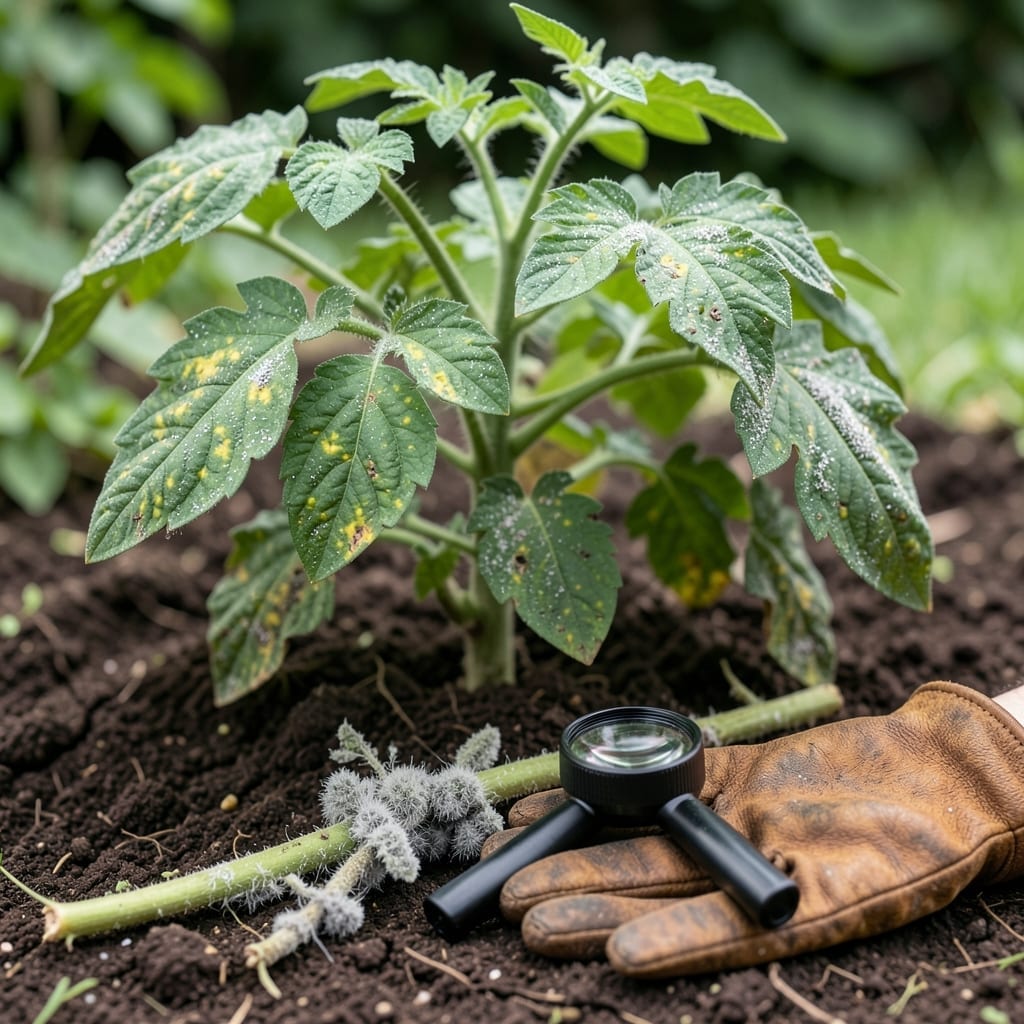
White powder on your zucchini leaves isn’t just unsightly—it’s a red flag. I’ve learned to spot garden fungi before they spread, and early detection saves entire harvests.
Most problems show up as spots, powders, or wilting that doesn’t match your watering schedule. The key is matching the visual clues to the right fungus, then acting fast with simple treatments like baking soda sprays or better air circulation.
You’ll notice healthier plants within 7-10 days of proper treatment. The difference between a minor setback and a lost crop often comes down to catching these issues early and responding correctly.
Works for vegetable gardens, flower beds, and even container plants. Here’s how to identify what you’re dealing with.
Understanding why fungus appears in your garden is the first step to prevention. Fungal growth is typically triggered by specific environmental and cultural conditions. Below are the primary causes:
Fungi thrive in damp environments. Overwatering, poor drainage, or frequent rain can create the perfect breeding ground. When soil stays soggy, it limits oxygen flow to roots, stressing plants and making them more susceptible to fungal infections like powdery mildew or root rot.
Humid conditions, especially in poorly ventilated areas, encourage fungal spores to germinate. Greenhouses or densely planted gardens with limited airflow trap moisture, promoting diseases such as downy mildew or botrytis (gray mold).
Crowded plants or thick canopies restrict airflow, allowing moisture to linger on leaves and stems. This stagnation invites fungi like rust or leaf spot to take hold. Pruning and spacing plants properly can mitigate this risk.
Fungal spores can survive in soil or on gardening tools for years. Using unsterilized tools or planting in infected soil introduces pathogens to healthy plants. Common culprits include fusarium wilt and verticillium wilt.
Plants weakened by poor nutrition, pests, or environmental stress (e.g., extreme heat or cold) are more vulnerable to fungal attacks. A robust plant with strong defenses can often fend off spores before they cause harm.
Once you’ve spotted fungal trouble in your garden, fast action keeps it from spreading. Below are targeted fixes for the most common garden fungi, plus ways to stop them from coming back.
Remove heavily infected leaves and space plants farther apart. Apply a baking soda spray (1 tsp baking soda, 1 quart water, a few drops of dish soap) weekly until the issue clears. Prevention tip: Water at soil level in the morning so foliage dries quickly.
Prune affected leaves and stems, and dispose of them in the trash (not compost). Use a copper fungicide or neem oil spray every 7–10 days. Prevention tip: Avoid overhead watering and keep the garden free of plant debris.
Gently dig up the plant, trim black or mushy roots, and repot in fresh, well-draining soil. Reduce watering and ensure containers have drainage holes. Prevention tip: Use raised beds or amend heavy soil with compost to improve drainage.
Pick off infected leaves and apply a sulfur-based fungicide or a homemade garlic-chili spray. Prevention tip: Mulch with straw to prevent spores from splashing up from the soil.
💡 Pro tip: Rotate crops yearly and clean tools with rubbing alcohol to prevent fungal spores from lingering.
Watch for white powdery spots, dark patches, or yellowing leaves. Some fungi cause wilting or blackened stems. Early detection is key to preventing spread.
Remove severely infected parts immediately. If the roots or main stem are compromised, it’s often best to discard the plant to protect others.
Rotate crops, clean tools with rubbing alcohol, and improve drainage. Remove all plant debris in fall, as spores can overwinter in dead leaves.
Baking soda or neem oil sprays work for mild cases. For severe infections, copper or sulfur-based fungicides are more reliable. Always follow label instructions.