
Beautiful Plants For Your Interior
Beautiful Plants For Your Interior
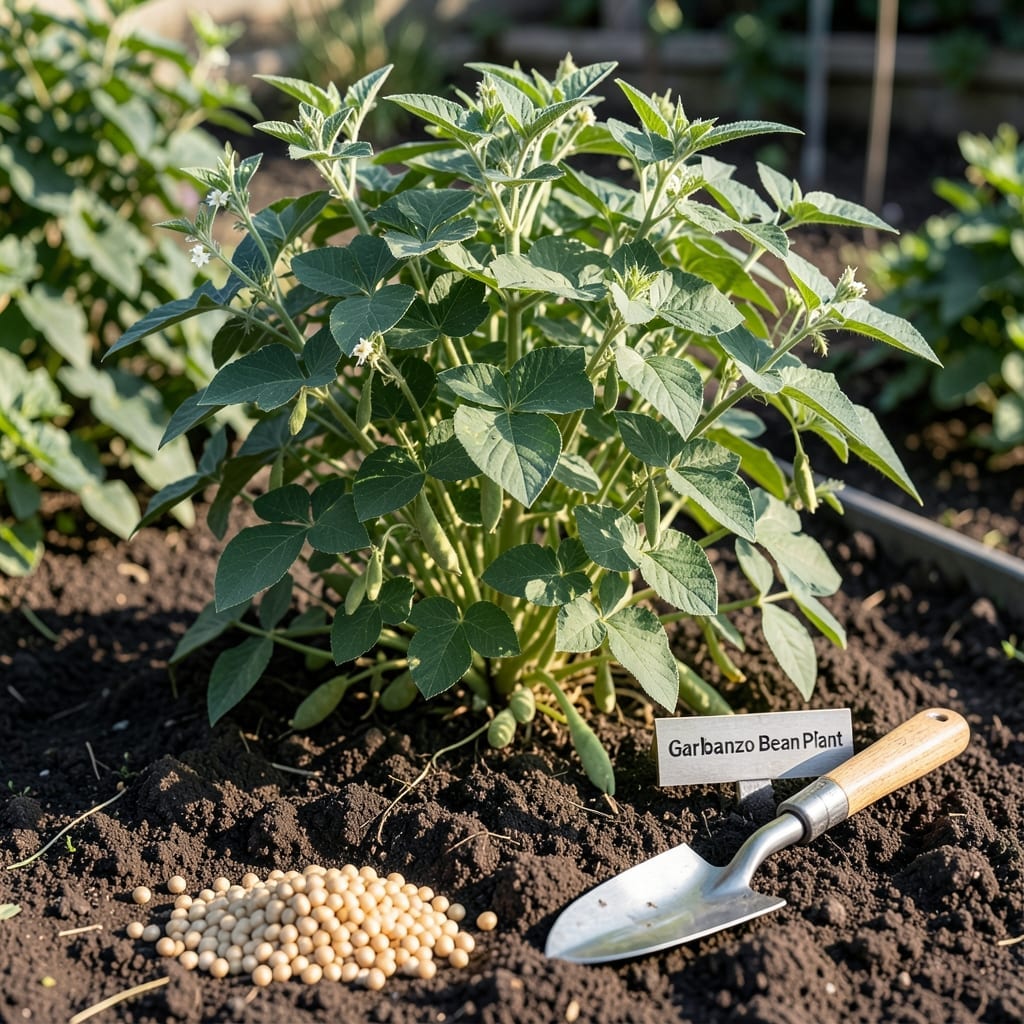
I discovered garbanzo beans are way easier to grow than I expected. These tough little plants thrive in poor soil and handle drought better than most vegetables in my garden.
You’ll get healthy plants with minimal effort—just give them full sun, well-draining soil, and 6-8 weeks of warm weather. The reward is fresh chickpeas that taste nothing like the canned version.
📚 In This Guide
Here’s the method I rely on for robust plants and bountiful harvests every season.
Choose a location with full sun exposure—garbanzo beans thrive with at least 6-8 hours of direct sunlight daily. The soil should be well-draining with a slightly acidic to neutral pH (6.0-7.5). I always test my soil first because compacted or waterlogged soil will stunt root development.
Work the soil to a depth of 12-15 inches, removing any rocks or debris. Loosen the bed thoroughly to encourage deep root penetration. If your soil is heavy clay, amend it with compost to improve drainage and fertility. This preparation prevents waterlogging, which causes root rot in young plants.
Plant seeds 1-1.5 inches deep and space them 4-6 inches apart in rows that are 18-24 inches apart. This spacing allows for adequate airflow, reducing the risk of fungal diseases. I use a ruler the first few times to get the depth right—eyeballing often leads to seeds planted too shallow or too deep.
Water the soil lightly after planting to settle it around the seeds. Avoid heavy watering, which can displace seeds or create crusty soil that prevents emergence. You’ll see germination in 10-14 days when soil temperatures are consistently above 60°F.
Keep the soil evenly moist during germination, but avoid soggy conditions. Once seedlings emerge, reduce watering frequency but increase the amount per session to encourage deep root growth. I check soil moisture by sticking my finger 1 inch deep—if it feels dry, it’s time to water.
Drip irrigation works best for garbanzo beans because it delivers water directly to the roots without wetting the foliage, which reduces disease risk. Mulch with a 1-2 inch layer of straw to retain moisture and suppress weeds, but keep it a few inches away from the plant stems to prevent rot.
When seedlings reach 3-4 inches tall, thin them to 8-10 inches apart to prevent overcrowding. I know it’s hard to pull healthy seedlings, but giving each plant space ensures stronger growth and better yields. Use the thinned seedlings as microgreens if you hate to waste them.
Most garbanzo bean varieties are bush types and don’t require staking, but if you’re growing a taller variety, provide support early. Install 3-4 foot stakes or a trellis at planting time to avoid disturbing roots later. Secure stems gently with soft ties as they grow.
Watch for common pests like aphids or bean beetles, which can be controlled with insecticidal soap or neem oil. I inspect plants weekly, paying special attention to the undersides of leaves where pests hide. Yellowing leaves often signal overwatering or nutrient deficiency, so adjust care accordingly.
Rotate crops annually to prevent soil-borne diseases. If you notice powdery mildew, improve airflow by spacing plants further apart and watering at the base. Healthy plants resist pests and diseases better, so maintain consistent care throughout the growing season.
Small adjustments in your planting approach can mean the difference between a struggling crop and a thriving one.
Sunlight is Non-Negotiable: Don’t compromise on the 6-8 hours of direct sunlight daily mentioned in Step 1. I learned this the hard way when my first crop in partial shade produced sparse, weak plants. Even morning shade can reduce yields significantly, so choose your sunniest spot.
Soil Depth Matters: Working the soil to that 12-15 inches deep in Step 1 isn’t just busywork—it allows roots to penetrate deeply, which makes plants more drought-resistant. Skimping here often leads to stunted growth, especially in clay-heavy soils.
Precision Planting: The 1-1.5 inch depth in Step 2 is critical. Plant too shallow and seeds dry out; too deep and they struggle to emerge. Use a ruler until you develop a feel for it. Also, that 4-6 inch spacing prevents overcrowding, which I’ve seen cause entire rows to fail due to disease.
Temperature Timing: Wait for soil temps to consistently hit 60°F before planting. In cooler climates, I’ve had seeds rot in the ground when planted too early. A soil thermometer is worth the investment—it takes the guesswork out of when to start.
Plant garbanzo beans in early spring, 2-3 weeks before the last frost date. They thrive in cool weather (60-70°F) and need a long growing season. Avoid planting in summer heat, as it can stunt growth.
Yes! Choose a deep container (at least 12 inches) with good drainage. Dwarf varieties work best. Ensure the container gets full sun and use well-draining soil. Keep the soil moist but not soggy.
Rotate crops yearly, avoid overwatering, and space plants 4-6 inches apart for airflow. Remove infected plants immediately. Use disease-resistant seeds and avoid working with wet plants to prevent fungal spread.
Yellowing can signal overwatering, poor drainage, or nutrient deficiencies (like nitrogen). Check soil moisture and fertility. If the issue persists, test soil pH—garbanzos prefer slightly acidic to neutral soil (6.0-7.0).
Plant with corn, cucumbers, or strawberries—they benefit from the nitrogen garbanzos fix in the soil. Avoid planting near onions or garlic, as they can stunt growth.