
Beautiful Plants For Your Interior
Beautiful Plants For Your Interior
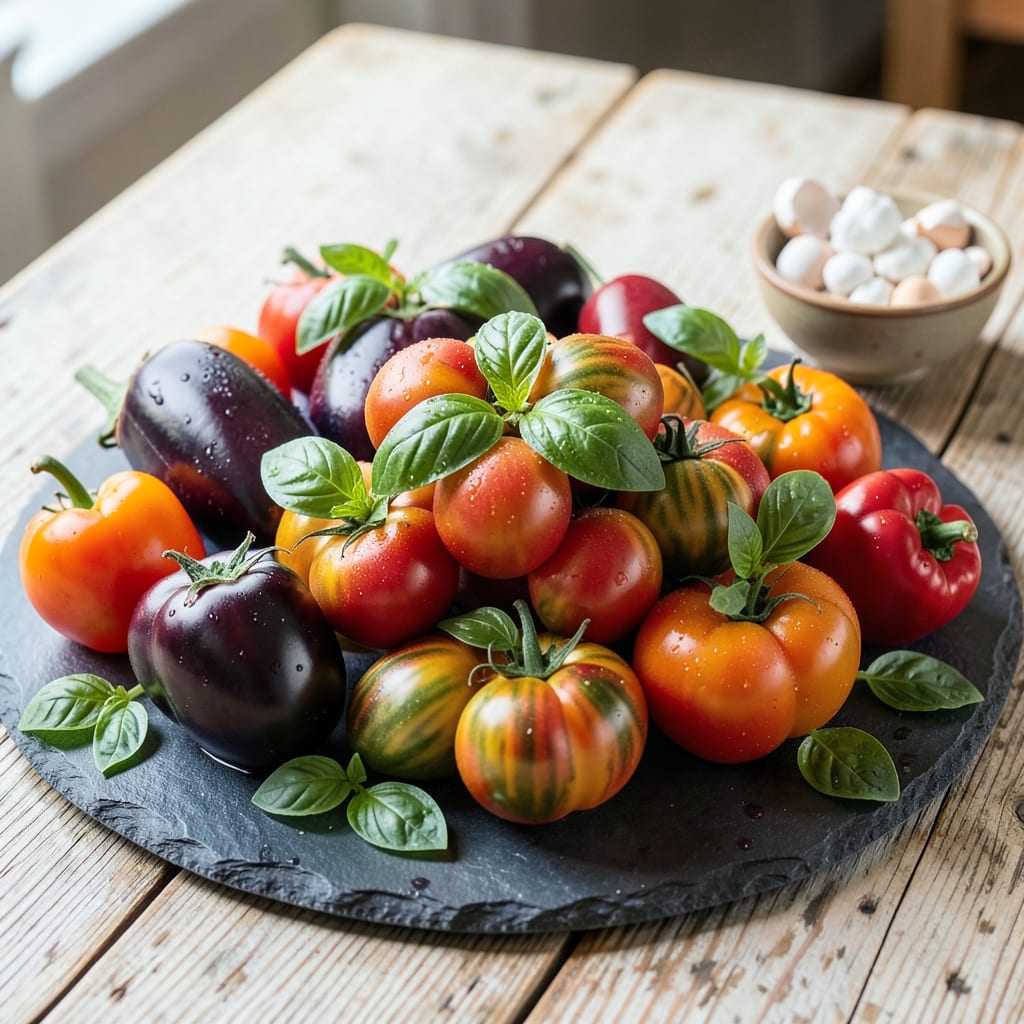
That sunken, black bottom on your tomatoes isn’t a curse—it’s a calcium crisis. I’ve lost count of how many perfect-looking fruits I’ve ruined by ignoring this early warning sign.
The problem isn’t just missing calcium in soil—it’s inconsistent watering that blocks roots from absorbing what’s there. My first season with blossom end rot taught me that even rich soil can’t compensate for erratic moisture.
You’ll see results within 2-3 weeks of fixing the issue: new growth stays firm and green, and developing fruits harden properly from the blossom end up. No more tossing half-rotten tomatoes.
Works for peppers, squash, and melons too. Here’s how to lock in that healthy harvest for good.
Blossom end rot isn’t caused by a pathogen—it’s a physiological disorder triggered by environmental and cultural factors. The brown, sunken lesions at the fruit’s base are your plant’s way of signaling a calcium shortage where it matters most. Here’s the science behind the breakdown:
Rapid cell division in young fruit demands a steady calcium supply. When the plant can’t deliver enough to the distal tissue (the blossom end), cell walls weaken and collapse. This isn’t always due to low soil calcium—often, it’s about uneven distribution or poor uptake.
Calcium moves through the plant via transpiration streams in the xylem. Drought stress or irregular watering (too much or too little) slows this flow, starving the fruit of calcium. Even well-fertilized soil won’t help if water isn’t consistently available to carry the nutrient to growing tissues.
Heatwaves or cold snaps disrupt root activity and membrane permeability. High temperatures increase transpiration, but if roots can’t keep up with water absorption, calcium transport stalls. Conversely, cold soils slow root metabolism, reducing nutrient uptake—even if calcium is abundant.
Excessive nitrogen or lush foliage can create competition within the plant. Calcium is diverted to leaves and stems, leaving fruit vulnerable. Prune aggressively or adjust fertilization to prioritize fruit development over vegetative growth.
Blossom end rot is frustrating, but it’s fixable with the right approach. Target the root causes with these practical solutions to save your crop and prevent future issues.
Fluctuations in soil moisture disrupt calcium uptake. Water deeply and regularly—aim for 1–2 inches per week, depending on weather. Use drip irrigation or soaker hoses to keep soil evenly moist (not soggy). Mulch around plants to retain moisture and reduce stress. 💡 Pro tip: Water in the morning to minimize evaporation and fungal risks.
If soil lacks calcium, your plants can’t access it. Amend soil with crushed eggshells, gypsum, or lime (test pH first—lime raises pH, gypsum doesn’t). For a quick fix, use a calcium-rich foliar spray (like calcium chloride) on leaves. Avoid high-nitrogen fertilizers, which can block calcium absorption.
Extreme heat or cold stress plants, hindering calcium movement. Use row covers to shield plants from temperature spikes or drops. In hot climates, provide afternoon shade. For container plants, move them to a stable environment during extreme weather.
Remove affected fruits immediately to redirect calcium to healthy ones. Apply a calcium spray to leaves for quick absorption. Even moisture is critical—water 1-2 inches weekly.
Uneven watering is likely the culprit. Calcium needs consistent moisture to move through the plant. Check soil daily and use mulch to retain water.
Yes, but they’re slow-acting. Crush them finely and mix into soil before planting. For faster results, use gypsum or a foliar spray.
Yes! Try ‘Celebrity’ or ‘Mountain Merit’—they’re bred to handle calcium fluctuations better. Always check seed labels.
