
Beautiful Plants For Your Interior
Beautiful Plants For Your Interior
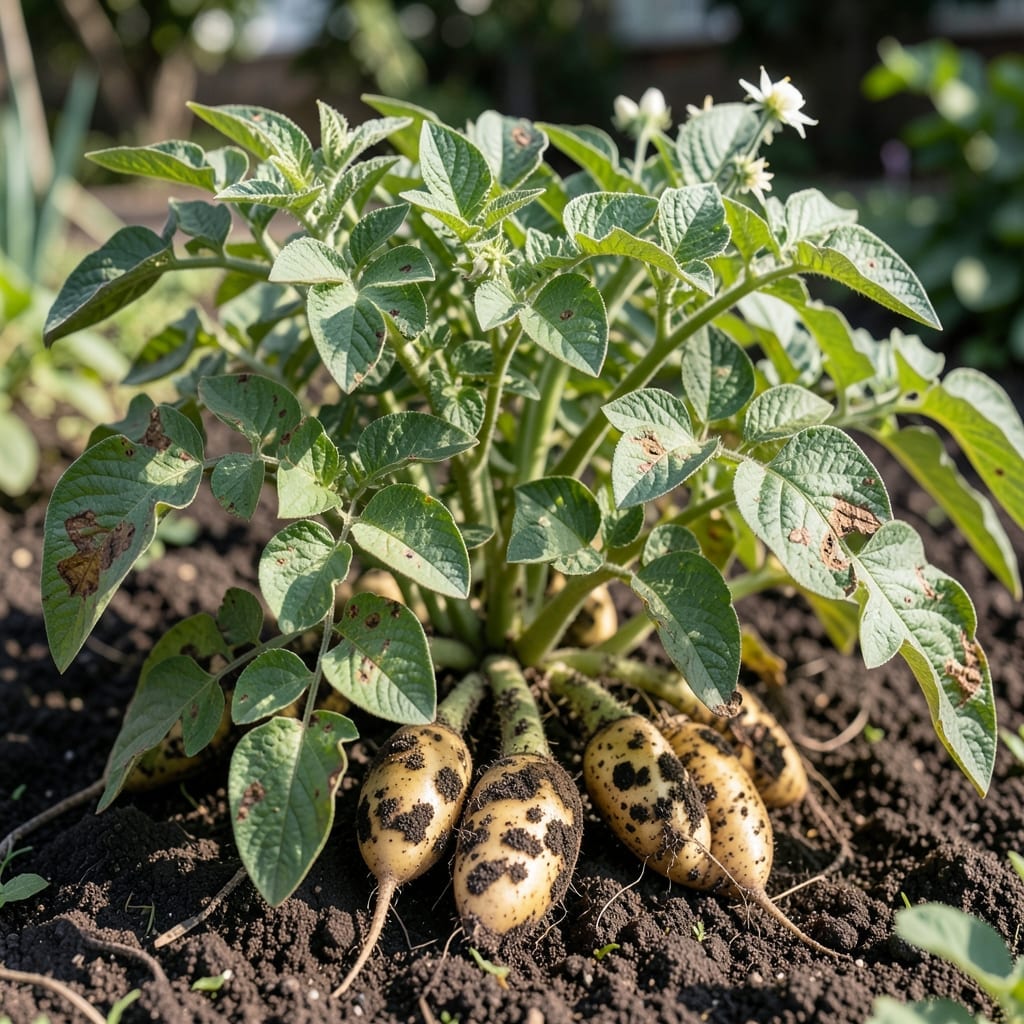
Brown spots on potato leaves had me panicking last season. 🌱 These early signs of fungal trouble can spread fast, turning healthy plants into a lost cause in weeks.
I learned the hard way that waiting only makes it worse. The key is catching it early—yellowing edges, dark patches, or white powdery coatings mean it’s time to act, not observe.
With the right approach, you can stop the spread and save most of your crop. Organic sprays, better airflow, and simple cultural changes make all the difference.
Here’s the action plan that saved my potatoes and kept my garden productive. No advanced tools, just timely intervention.
Fungal growth on potatoes is a common issue, often triggered by environmental and biological factors. Understanding these causes helps in prevention and control.
Potatoes stored in warm, humid, or poorly ventilated environments are prime targets for fungal spores. Ideal storage requires cool (45–50°F), dry, and dark conditions. High moisture accelerates spore germination, while fluctuating temperatures weaken the tubers’ natural defenses.
Overwatering or harvesting potatoes during wet weather introduces excess moisture, creating a breeding ground for fungi like Phytophthora infestans (late blight) or Fusarium. Wet soil or damp storage areas allow spores to thrive, leading to rot and surface mold.
Fungi often originate from contaminated soil or infected seed potatoes. Pathogens like Rhizoctonia or Alternaria can lie dormant in soil, infecting tubers during growth. Using certified disease-free seeds and rotating crops reduces this risk.
Bruises, cuts, or cracks on potatoes break the skin, providing entry points for fungal spores. Even minor injuries during harvesting or handling can invite infection. Proper handling and gentle harvesting minimize this vulnerability.
When fungus strikes your potatoes, quick action can save your crop. Below are targeted solutions for common fungal issues, along with prevention tips to keep your spuds healthy.
Fix: Remove and destroy infected leaves immediately to prevent spread. Apply a copper-based fungicide (follow label instructions) or a homemade mix of 1 tsp baking soda + 1 quart water + a few drops of dish soap. Spray every 7–10 days until the issue clears.
Prevent: Rotate crops yearly, avoid overhead watering, and ensure good air circulation. 💡 Pro tip: Mulch with straw to reduce soil splashing onto leaves.
Fix: Pull and destroy infected plants—do not compost them. Treat remaining plants with a fungicide like chlorothalonil or a biological option like Bacillus subtilis. Harvest potatoes early if blight spreads.
Prevent: Plant blight-resistant varieties (e.g., ‘Defender’ or ‘Elba’). Space plants 12+ inches apart and water at the base in the morning. 🌡️ Pro tip: Avoid planting potatoes in the same spot more than once every 3–4 years.
Fix: Remove and burn infected plants. Solarize the soil by covering it with clear plastic for 4–6 weeks to kill fungal spores. Disinfect tools with a 10% bleach solution after use.
Prevent: Use certified disease-free seed potatoes. Improve drainage to avoid waterlogged soil, and add organic matter like compost to boost soil health. ✨ Pro tip: Crop rotation with non-solanaceous plants (e.g., beans or corn) breaks the fungal cycle.
Fix: Discard infected tubers immediately. Cure healthy potatoes in a dark, well-ventilated area (50–60°F) for 10 days before storage. Store in a cool (40–50°F), dry place with good airflow.
Prevent: Handle potatoes gently during harvest to avoid bruising. 🎯 Pro tip: Avoid washing potatoes before storage—dirt acts as a protective barrier against moisture.
No, discard any potatoes with visible mold. Fungal toxins can penetrate deeper than you see. Cutting off the moldy part isn’t enough to guarantee safety.
Store in a cool 40–50°F, dry, and dark place with good airflow. Use cardboard boxes or mesh bags instead of plastic. Check potatoes weekly and remove any showing signs of rot immediately.
Solarize soil by covering it with clear plastic for 4–6 weeks to kill spores. Alternatively, rotate crops with non-solanaceous plants like beans or corn for 3–4 years.
A baking soda solution (1 tsp per quart of water + dish soap) can help with early blight. Apply every 7–10 days but switch to copper fungicide for severe cases.