
Beautiful Plants For Your Interior
Beautiful Plants For Your Interior
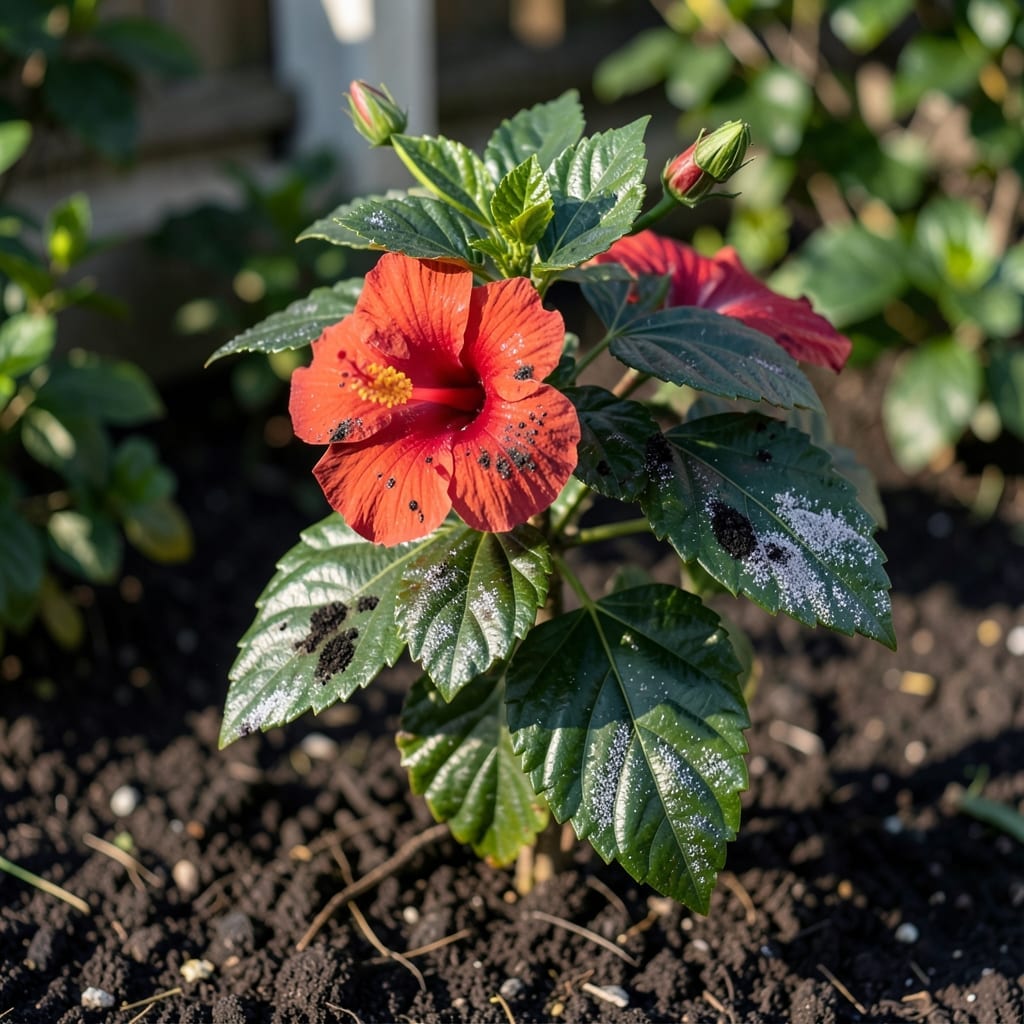
Spotted yellow leaves on your hibiscus last week? I did too. The black spots spreading across mine looked like coffee stains at first.
Turns out it was fungus, and I learned the hard way that catching it early makes all the difference. The key is matching the right treatment to the specific type you’re dealing with.
Within 7-10 days of using organic sprays and adjusting care, my plants pushed out new, vibrant green growth. The blooms came back bigger than before.
This works for potted plants and garden beds alike. The solution is simpler than you think, and prevention keeps it from coming back.
Fungal issues on hibiscus often stem from a combination of environmental and cultural factors. Understanding these triggers helps prevent and manage outbreaks effectively.
Hibiscus thrives in well-drained soil, but overwatering or poor drainage creates a damp environment where fungi like Phytophthora and Botrytis flourish. Rainy seasons or overhead irrigation that wets foliage for extended periods exacerbate the problem. Action: Water at the base of the plant in the morning to allow foliage to dry quickly.
Stagnant air traps moisture around leaves, encouraging fungal spores to germinate. This is common in crowded plantings or areas with limited ventilation. Action: Space plants adequately and prune dense growth to improve airflow.
Fungal pathogens can linger in soil or decaying plant matter, reinfecting hibiscus season after season. Phytophthora root rot, for example, thrives in contaminated soil. Action: Remove fallen leaves and debris, and consider solarizing soil or using fungicidal drenches for persistent issues.
Over-fertilization, especially with high-nitrogen formulas, promotes lush but weak growth that’s more susceptible to fungal attacks. Conversely, potassium-deficient plants lack disease resistance. Action: Use a balanced fertilizer and test soil to address deficiencies.
Insects like aphids and whiteflies create wounds on leaves and stems, providing entry points for fungi such as Alternaria or Cercospora. Action: Monitor for pests and treat infestations promptly with organic insecticides like neem oil.
Tackling fungus on your hibiscus doesn’t have to be a daunting task. Below are practical, easy-to-follow solutions tailored to the most common fungal issues, along with prevention tips to keep your plants thriving. 🌿
If you notice a white, powdery coating on the leaves, increase air circulation around the plant. Prune dense foliage to allow better airflow, and avoid overhead watering to reduce humidity. A baking soda spray (1 tbsp baking soda + 1 tsp dish soap + 1 gallon of water) applied weekly can help combat existing mildew. Prevention tip: 💡 Space plants properly and water at the base in the morning.
Brown or black spots with yellow halos are signs of leaf spot fungus. Remove and destroy infected leaves immediately to prevent spreading. Apply a copper-based fungicide or a neem oil solution (2 tbsp neem oil + 1 tsp dish soap + 1 gallon of water) every 7–10 days until the issue clears. Prevention tip: 🌧️ Avoid wetting the foliage, and clean up fallen debris around the plant.
Yellowing leaves and wilting despite moist soil often indicate root rot. Stop watering immediately and let the soil dry out. If the plant is potted, repot it in fresh, well-draining soil. Trim any black, mushy roots before replanting. Prevention tip: 💧 Use pots with drainage holes and water only when the top inch of soil is dry.
With these steps, your hibiscus will be back to its vibrant, bloom-filled self in no time! 🌸
Fungal spots often have yellow halos or fuzzy growth, while sunburn appears as dry, bleached patches. Inspect leaves closely—fungus spreads in patterns, not randomly like sun damage.
Yes, with proper care! Most plants bounce back within 2-3 weeks after removing infected parts and applying treatments. New growth will appear healthy and vibrant.
A baking soda spray or neem oil solution works well for mild cases. Mix 1 tbsp baking soda with 1 gallon water and a drop of soap for effective results.
No, avoid composting diseased plant material. This can spread fungal spores to other plants. Instead, dispose of infected leaves in sealed bags with household trash.