
Beautiful Plants For Your Interior
Beautiful Plants For Your Interior
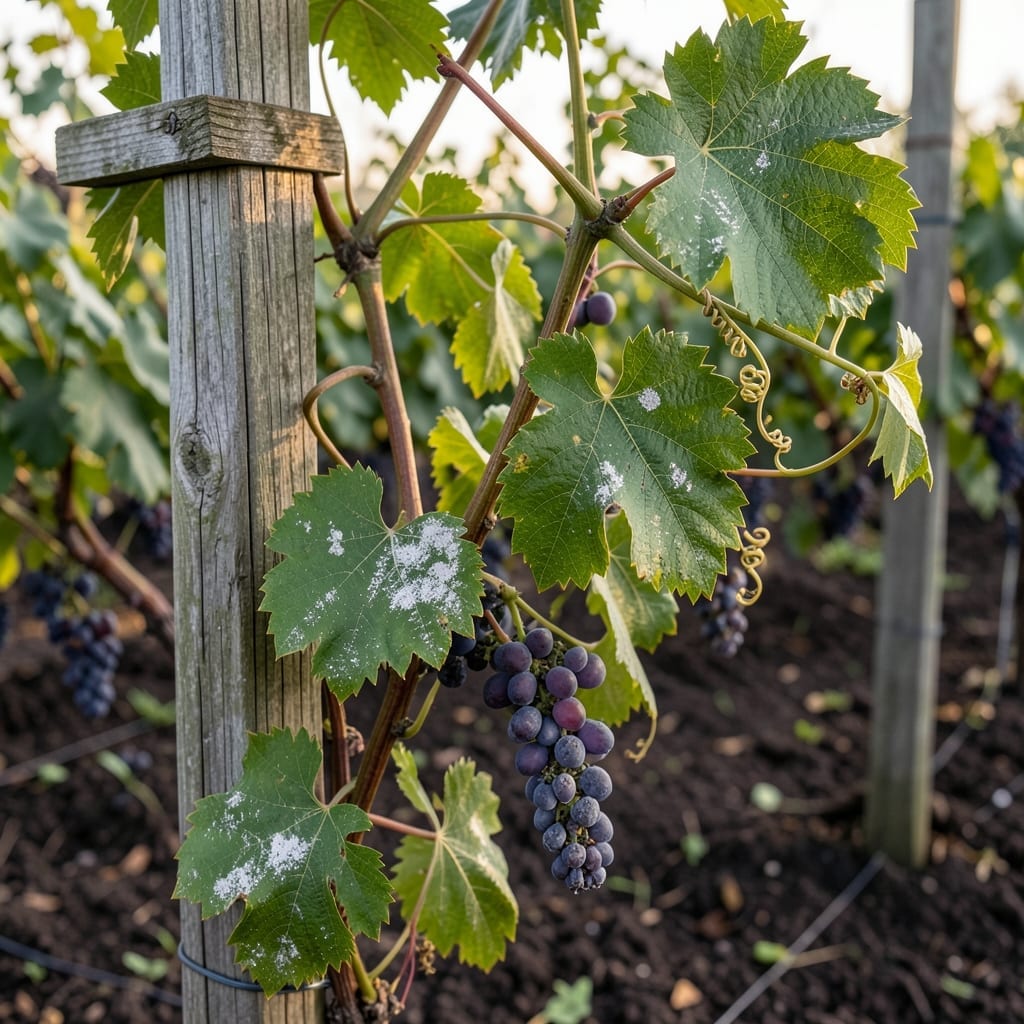
Spotted leaves on your grapevines mean trouble. I learned the hard way that ignoring early signs of fungus leads to a lost harvest and sickly plants that struggle for years.
Powdery mildew, downy mildew, and black rot each leave distinct marks—white powder, yellow patches, or dark spots with fuzzy edges. Catching them fast is key, before they spread across the vineyard.
Organic treatments like copper sprays, baking soda mixes, and neem oil work if applied at the first sign. Pruning infected parts and improving airflow prevents future outbreaks.
This approach keeps your vines productive without harsh chemicals. Here’s how to spot and stop it in its tracks.
Fungal infections in grapevines are a persistent challenge for growers, often stemming from a mix of environmental and cultural factors. Understanding these causes is the first step toward effective prevention and treatment.
Fungi thrive in damp conditions, making overwatering or poor soil drainage a primary culprit. Botrytis cinerea (gray rot) and Plasmopara viticola (downy mildew) flourish when grapes or foliage remain wet for extended periods. High humidity, frequent rainfall, or overhead irrigation can create the perfect breeding ground. Ensuring proper drainage and using drip irrigation can significantly reduce risk.
Dense foliage restricts airflow, trapping moisture and reducing sunlight penetration—two conditions that encourage fungal growth. Powdery mildew (Erysiphe necator) and black rot (Guignardia bidwellii) often exploit these shaded, humid microclimates. Regular pruning to improve air circulation and sunlight exposure helps keep fungi at bay.
Rapid shifts between warm days and cool nights can stress grapevines, weakening their natural defenses. Many fungi, like Phomopsis viticola (Phomopsis cane and leaf spot), activate in moderate temperatures (60–75°F). Monitoring weather forecasts and applying organic fungicides preventatively during vulnerable periods can mitigate outbreaks.
Fungal spores can linger in soil or on gardening tools, infecting new plantings or wounds. Armillaria root rot and Verticillium wilt are soil-borne pathogens that enter through compromised roots. Sterilizing tools with a 10% bleach solution and rotating crops or using resistant rootstocks can break the infection cycle.
Fungal problems in grapevines can be frustrating, but with the right approach, you can restore your vines to health. Below are targeted solutions for common fungal issues, along with prevention tips to keep your grapes thriving.
Powdery mildew appears as white, dusty spots on leaves and fruit. To treat it:
Prevention tip: 💡 Space vines properly and avoid overhead watering to keep foliage dry.
Downy mildew causes yellow spots on leaves and a downy white growth underneath. Act fast:
Prevention tip: ✨ Apply a baking soda spray (1 tbsp baking soda + 1 tsp dish soap + 1 gallon water) as a preventive measure every 2 weeks.
Gray rot (Botrytis) turns grapes mushy and covered in fuzzy gray mold. To stop it:
Prevention tip: 🎯 Rotate crops and remove all plant debris after harvest to eliminate overwintering spores.
Black rot causes dark, sunken lesions on leaves and fruit. Combat it with:
Prevention tip: 🌡️ Thin out grape clusters to improve air circulation and reduce moisture buildup.
Look for white, dusty spots on leaves and fruit. These patches spread quickly in humid conditions, so check the undersides of leaves too.
It helps prevent some, like powdery mildew, but not all. For severe cases, copper-based fungicides are more effective against downy mildew or black rot.
No, never compost infected material. Burn or dispose of it to prevent spores from spreading. Even dead leaves can harbor fungus.
Apply early morning or late evening to avoid leaf burn. Preventative sprays work best before symptoms appear, especially in wet seasons.