
Beautiful Plants For Your Interior
Beautiful Plants For Your Interior
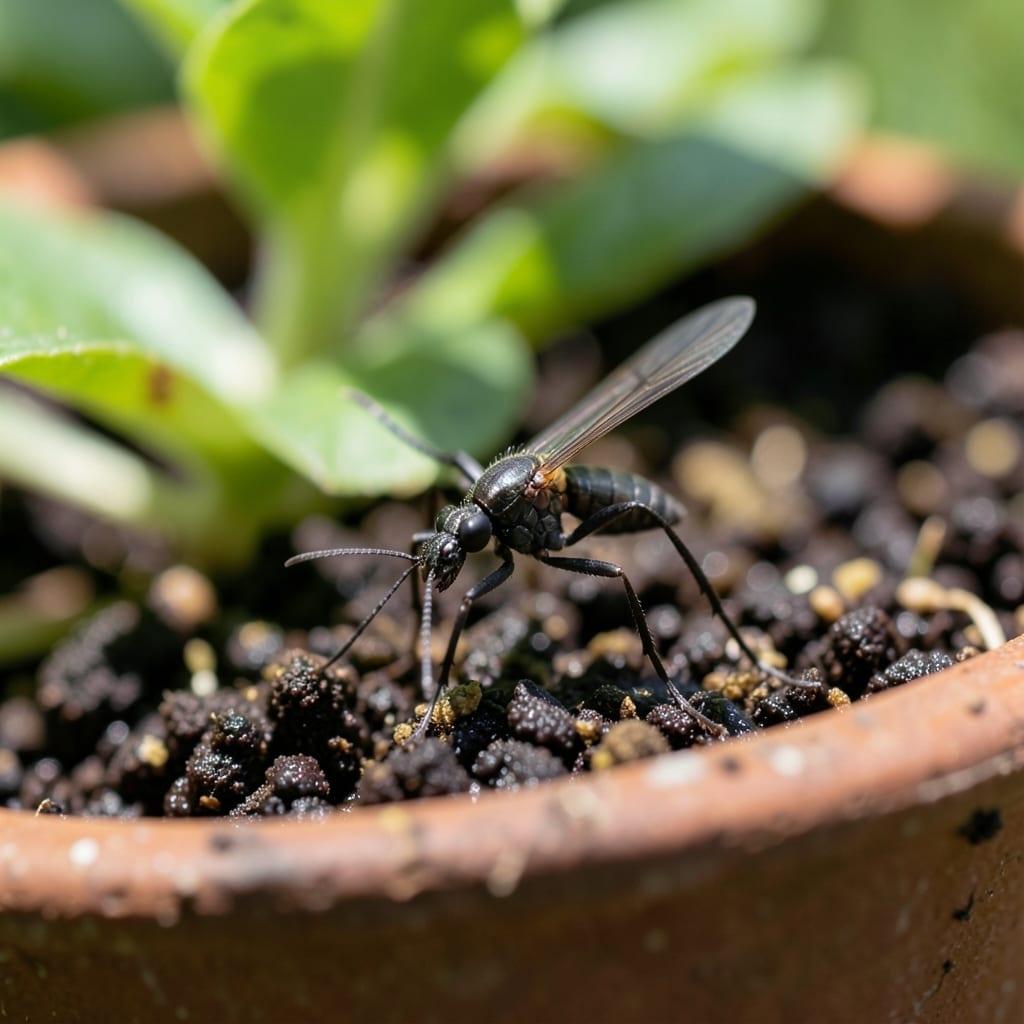
Tiny black flies hovering around your houseplants are fungus gnats. I’ve battled these pests in my own bedroom, and the solution is simpler than you think.
They’re drawn to moist soil, where they lay eggs that hatch into root-eating larvae. The good news? You can break their life cycle with 3 basic supplies and stop them in about 2 weeks.
You’ll see fewer adults within days once you start treating the soil. The key is consistency—dry out the top layer of soil between waterings and use targeted traps.
Works for all indoor plants, from ferns to fiddle leaf figs. Here’s how to reclaim your space.
Fungus gnats thrive in damp, organic-rich environments, and your home may unknowingly provide the perfect breeding ground. These tiny pests are drawn to moisture and decomposing plant matter, making houseplants, leaky pipes, or even damp wood ideal spots for them to multiply. Below are the most common causes of a fungus gnat infestation in your bedroom or home.
Fungus gnats lay their eggs in moist soil, where larvae feed on fungi and decaying plant roots. If your indoor plants are overwatered or lack proper drainage, the excess moisture creates a prime habitat for these pests. Check the top inch of soil—if it stays soggy for days, you’re likely inviting gnats.
Bedrooms with poor airflow or high humidity (above 60%) can trap moisture, encouraging gnat activity. Bathrooms, basements, and kitchens are also hotspots if ventilation is inadequate. Use a dehumidifier or open windows regularly to reduce dampness.
Forgotten fruit, compost bins, or even dust bunnies under furniture can attract fungus gnats. These insects are scavengers, feeding on mold and rotting materials. Clean up food spills, take out trash frequently, and avoid leaving organic waste exposed.
Dripping pipes, clogged drains, or even a damp mop left in a corner can create standing water—another gnat magnet. Inspect under sinks, around appliances, and near windowsills for hidden moisture sources.
Tackling fungus gnats in your bedroom or home doesn’t have to be a battle. Start by addressing the root causes with these straightforward fixes and prevention tips.
Fungus gnats thrive in damp soil. Stop watering your plants for a few days to allow the top 1-2 inches of soil to dry out completely. This kills larvae and discourages adult gnats from laying eggs. For severe infestations, repot the plant with fresh, sterile soil and discard the old mix.
Decaying leaves, fruit, or food scraps attract fungus gnats. Clear away any organic debris from plant saucers, kitchen counters, and trash bins. Wipe down surfaces with a vinegar-water solution (1:1 ratio) to eliminate residue and deter future pests.
Check for leaks, damp towels, or stagnant water in vases and pet bowls. Fix leaks promptly, dry wet areas, and empty standing water containers. Use a dehumidifier if your bedroom tends to stay humid—gnats love moist environments.
Set up simple traps to reduce the adult population. Fill a shallow dish with apple cider vinegar and a few drops of dish soap; the gnats are drawn to the scent and get trapped in the liquid. Alternatively, place a slice of potato on the soil surface—larvae will gather on it, and you can remove and discard it after a day or two.
Prevention Tips:
Adult gnats live about 7-10 days, but their eggs and larvae can extend the infestation for 3-4 weeks. Consistency in treatment is key to breaking their life cycle.
Your bedroom likely has the perfect combo: houseplants with damp soil, high humidity, or poor airflow. Check for overwatered plants or hidden moisture sources like leaky windows.
No, fungus gnats don’t bite or transmit diseases to humans. They’re mostly a nuisance, but their larvae can damage plant roots if left unchecked. Focus on eliminating their breeding sites.