
Beautiful Plants For Your Interior
Beautiful Plants For Your Interior
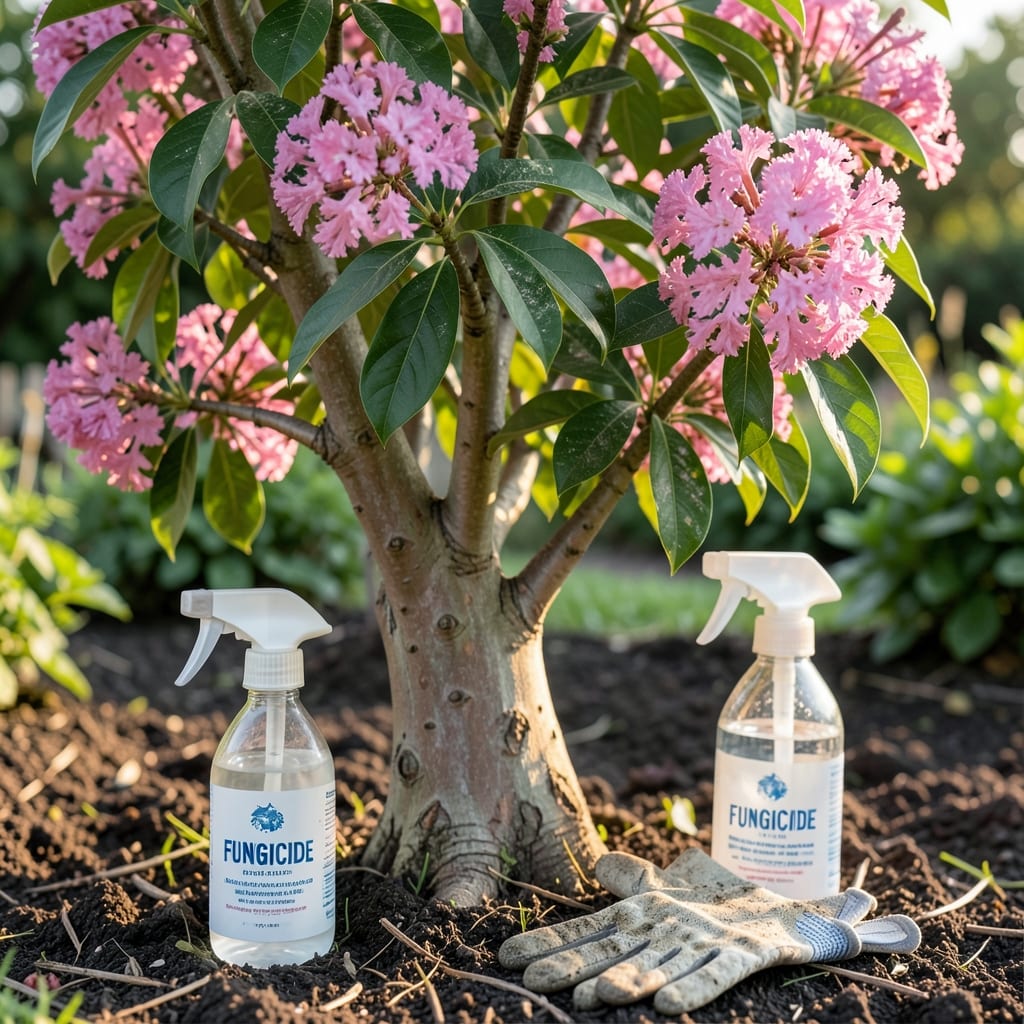
Powdery mildew ruined my crepe myrtle‘s summer show last year. This year, I’m fighting back with organic treatments that actually work without harsh chemicals.
Crepe myrtles are tough, but fungal issues like leaf spot or mildew can turn their vibrant blooms into a sad, spotted mess. The solution isn’t complicated—just consistent.
I use a simple spray schedule with natural fungicides that keep leaves clean and flowers coming. Prevention is easier than cure, so I start early in the season.
You’ll see healthier growth and more abundant blossoms with just a little extra attention. Here’s how to keep them thriving.
Fungal diseases in crepe myrtles often stem from environmental conditions and poor cultural practices. Below are the primary causes, explained with actionable insights.
Overwatering or prolonged rainfall creates a damp environment where fungi like Cercospora and powdery mildew thrive. These pathogens spread rapidly in wet foliage, especially when air circulation is poor. Solution: Water at the base of the plant early in the day to allow foliage to dry quickly.
Dense planting or overgrown branches restrict airflow, trapping humidity around leaves. This stagnant moisture accelerates fungal spore germination. Solution: Prune crepe myrtles annually to open the canopy and improve ventilation.
Fallen leaves and plant debris harbor fungal spores, which can reinfect the tree in the next growing season. Solution: Rake and remove leaf litter promptly, especially during fall and winter.
Warm, humid climates (common in the Southeast) are ideal for fungal growth. Crepe myrtles in these regions are particularly susceptible to sooty mold and leaf spot. Solution: Space plants widely and choose resistant cultivars like Lagerstroemia indica ‘Natchez’.
Sprinklers that wet the foliage encourage fungal spores to cling to leaves. Solution: Switch to drip irrigation or soaker hoses to keep water off the leaves.
Addressing these root causes reduces the need for fungicides, promoting a healthier, more resilient crepe myrtle.
Crepe myrtles are hardy, but fungal problems like powdery mildew, leaf spot, or sooty mold can dull their beauty. Here’s how to tackle each issue with practical, effective solutions—and keep your plants thriving.
Fix: Apply a baking soda spray (1 tbsp baking soda + 1 tsp dish soap + 1 gallon water) every 7–10 days until symptoms fade. For severe cases, use neem oil or a copper-based fungicide. Spray in the early morning to avoid leaf burn.
Prevention: Improve air circulation by pruning dense branches. Avoid overhead watering, and rake up fallen leaves to reduce spores.
Fix: Remove and destroy infected leaves immediately. Treat with a copper fungicide or sulfur-based spray, reapplying after rain. Organic options like compost tea can boost plant resilience.
Prevention: Water at the base of the plant to keep foliage dry. Space crepe myrtles 6–8 feet apart to prevent moisture buildup.
Fix: Wipe leaves with a damp cloth or spray with insecticidal soap to remove the black fungal layer. Address the root cause—often aphids or scale insects—by introducing beneficial insects like ladybugs or applying horticultural oil.
Prevention: Monitor for pests regularly. Encourage pollinators and natural predators by planting companion flowers like marigolds.
💡 Pro Tip: Always sterilize pruning tools with rubbing alcohol between cuts to prevent spreading fungal spores. Healthy soil (enriched with compost) and balanced fertilization (low nitrogen) also reduce disease risk.
Apply fungicides early morning to avoid leaf burn. Spray every 7-10 days during active growth or after rain.
Yes! A baking soda spray (1 tbsp baking soda + 1 tsp dish soap + 1 gallon water) works well for powdery mildew. Always test on a small area first.
Black spots often indicate sooty mold. Treat with insecticidal soap and address the pest issue (like aphids) causing it.
Copper-based or sulfur fungicides are low-risk, but avoid neem oil during pollinator peak times. Apply late evening to protect bees.