
Beautiful Plants For Your Interior
Beautiful Plants For Your Interior
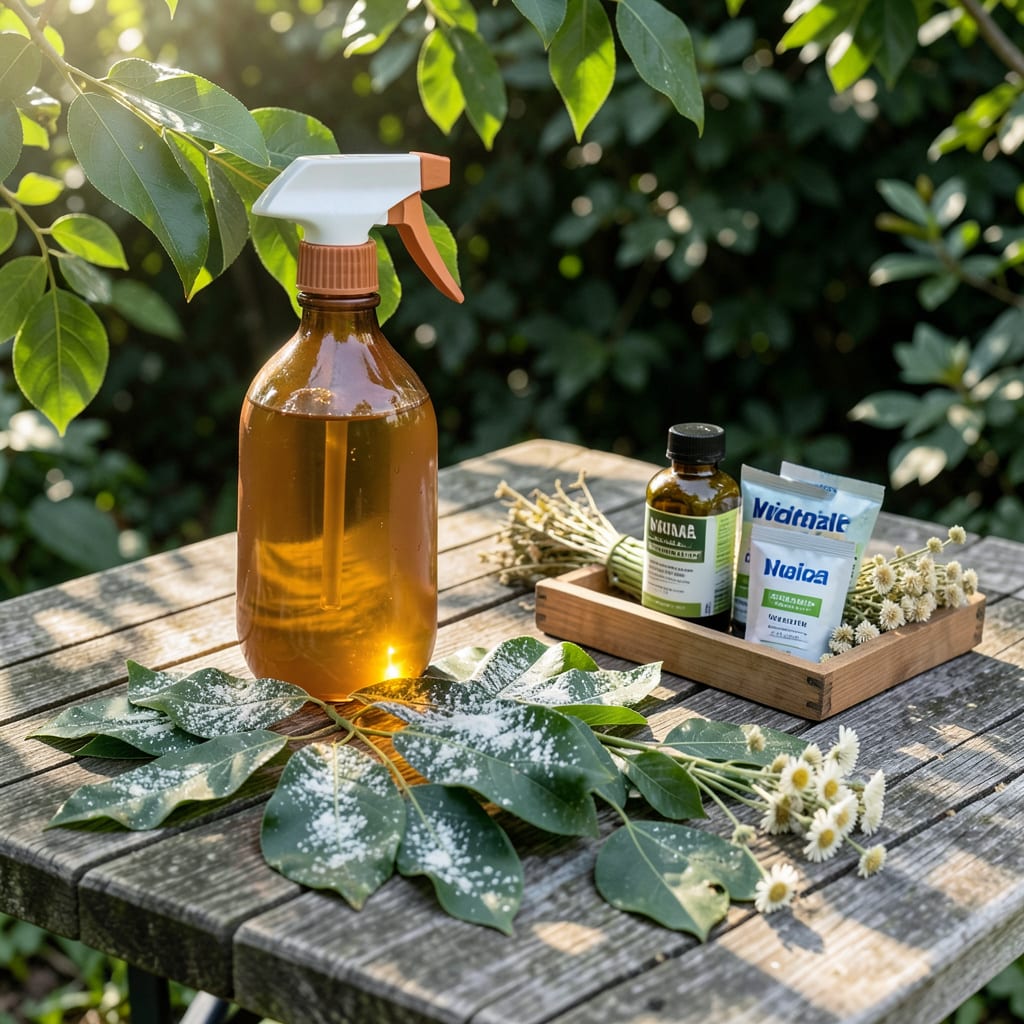
White dust on your crepe myrtle leaves means powdery mildew has moved in. I’ve lost entire blooming seasons to this fungus, but now I stop it before it starts with simple cultural fixes.
High humidity and poor air circulation create the perfect conditions. The solution isn’t complicated—just better spacing, morning watering, and removing affected leaves immediately. These changes alone prevent most outbreaks.
When prevention fails, organic sprays work fast. I use a baking soda solution that clears visible mildew within 48 hours without harming beneficial insects or the plant itself.
Works for all crepe myrtle varieties and keeps your summer blooms coming strong. Here’s the exact approach I use every season.
Powdery mildew on crape myrtles thrives under specific environmental and biological conditions. Understanding these triggers helps you prevent and manage the issue effectively. Below are the primary causes, explained with actionable insights.
This fungal disease, caused by Erysiphe spp., flourishes in humid environments (60-80% relative humidity) with stagnant air. Unlike many fungi, powdery mildew doesn’t require free water to germinate—just high moisture in the air. Crowded plantings, dense canopies, or shaded areas trap humidity, creating ideal conditions for spores to spread.
Powdery mildew is most active when temperatures range between 60-80°F (15-27°C). The diurnal temperature swing (warm days followed by cool nights) encourages dew formation, which, while not directly needed for infection, helps spores adhere to leaves. Crape myrtles in regions with mild springs or falls are especially vulnerable.
While the fungus doesn’t need wet leaves to infect, overhead irrigation can worsen the problem by increasing surface moisture and humidity around the plant. Water droplets can also spread spores from infected to healthy foliage. Drip irrigation at the base is a safer alternative.
Some crape myrtle cultivars are genetically more prone to powdery mildew, particularly those with dense foliage or less air circulation (e.g., Lagerstroemia indica ‘Carolina Beauty’). Newer mildew-resistant hybrids (e.g., ‘Natchez’ or ‘Tonto’) are bred to fend off the fungus more effectively.
Over-fertilizing with high-nitrogen fertilizers promotes lush, tender growth that’s more susceptible to infection. Conversely, a potassium or phosphorus deficiency can weaken the plant’s natural defenses. Balanced fertilization (e.g., 10-10-10) supports healthier, more resistant foliage.
Tackling powdery mildew on your crepe myrtles starts with the right approach for each cause. Here’s how to treat and stop this fungal nuisance for good.
Trim overcrowded branches to let air flow freely through the canopy. Remove 10–20% of inner growth to reduce humidity, which mildew loves. Space new plantings at least 6–8 feet apart so they don’t compete for airflow.
Prevention tip: 💡 Thin out dense foliage early in spring before mildew season peaks.
Switch to drip irrigation or soaker hoses to keep leaves dry. If you must use sprinklers, water early in the morning so foliage dries quickly in the sun. Wet leaves at night are a mildew magnet.
Prevention tip: 🌡️ Water at the base of the plant, not the leaves, to starve spores of moisture.
In humid climates, choose mildew-resistant crepe myrtle varieties like ‘Natchez’ or ‘Tonto’. For existing plants, mulch with gravel or bark to reduce soil moisture and splashing water.
Prevention tip: ✨ Apply a thin layer of compost to boost soil health, helping plants resist disease naturally.
At the first sign of white powder, spray leaves with a mixture of 1 teaspoon baking soda + 1 quart water + a few drops of dish soap. For stubborn cases, use neem oil (follow label instructions) or sulfur-based fungicides in severe outbreaks.
Prevention tip: 🎯 Reapply treatments every 7–10 days during wet seasons or after rain.
Consistency is key—combine these fixes with good garden hygiene (like raking fallen leaves) to keep powdery mildew from returning.
Reapply baking soda or neem oil sprays every 7-10 days during humid weather. For active infections, treat immediately and repeat after rain to prevent regrowth.
Yes, but switch to drip irrigation and water in the early morning. Avoid overhead watering until the infection clears to prevent spreading spores.
Opt for mildew-resistant hybrids like ‘Natchez’ or ‘Tonto’. These cultivars have natural defenses and require less treatment.
Yes, prune and destroy affected leaves immediately to stop spores from spreading. Never compost them, as this can reinfect your garden.
