
Beautiful Plants For Your Interior
Beautiful Plants For Your Interior
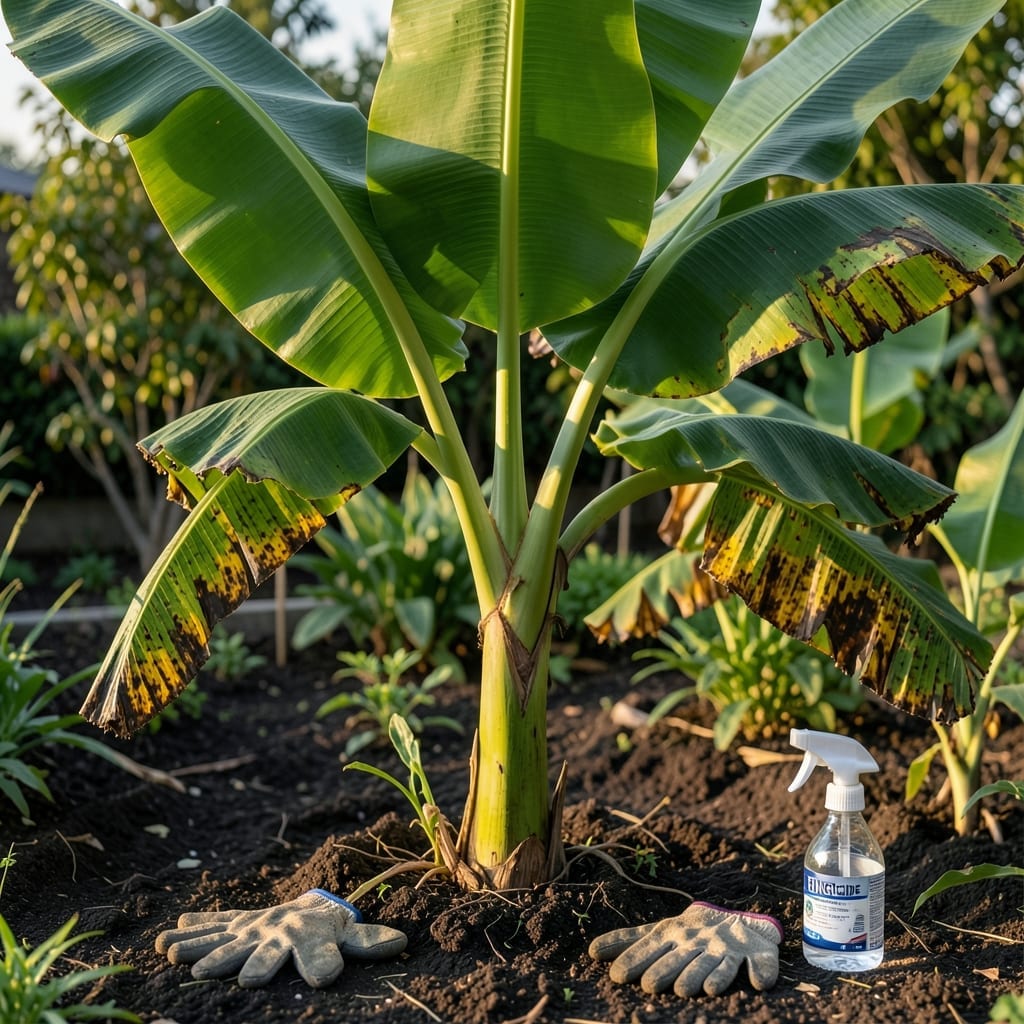
Banana leaves turning yellow with dark spots ruined my first tropical garden attempt. I learned the hard way that fungal diseases spread fast without intervention, but the right approach can save your plants.
Organic options like neem oil or copper sprays work wonders when applied early. I keep a spray bottle ready at the first sign of trouble—usually brown patches or wilting edges. Weekly checks catch problems before they escalate.
The payoff is lush green foliage and fruit that actually ripens. Preventive care means less stress later. I now inspect leaves every morning with my coffee.
Works for container plants too. This method keeps them thriving through humid summers.
Banana plants are highly susceptible to fungal infections due to a combination of environmental, biological, and cultural factors. Understanding these causes can help you take targeted action to protect your crop. Below are the primary reasons why fungal diseases take hold in banana plants.
Fungi thrive in moist, stagnant environments. Banana plants grown in regions with high humidity (above 80%) or dense canopy cover create ideal conditions for spores to germinate and spread. Poor airflow prevents moisture from evaporating, allowing pathogens like Mycosphaerella fijiensis (causative agent of Black Sigatoka) to proliferate on leaves.
Many fungal diseases, such as Fusarium wilt (Panama disease), originate from contaminated soil. The fungus Fusarium oxysporum f. sp. cubense (Foc) can persist in the soil for decades, infecting banana roots and blocking water uptake. Overwatering or poor drainage exacerbates this by creating waterlogged conditions that stress the plant and invite infection.
Banana plants under stress—whether from nutrient deficiencies (e.g., low potassium or calcium), physical damage (e.g., pruning wounds), or pest infestations—are more vulnerable to fungal attacks. For example, Colletotrichum musae, which causes anthracnose, often infects fruits through injuries, leading to post-harvest rot.
Fungal spores can hitch a ride on contaminated tools, irrigation water, or infected planting material. Using non-certified suckers or failing to sterilize pruning shears between cuts can introduce Deightoniella torulosa (causative agent of yellow Sigatoka) or other pathogens directly into healthy plants.
Banana plants are susceptible to fungal diseases like Sigatoka, Panama wilt, and anthracnose. The good news? With the right approach, you can treat and prevent these issues effectively. Here’s how to tackle the most common causes:
This fungal infection starts as small, dark spots that grow into elongated streaks, eventually killing the leaves.
This soil-borne fungus attacks the roots, causing stunted growth and wilting.
This disease causes sunken, dark lesions on banana peels, often appearing after harvest.
Apply preventively every 2-3 weeks during wet seasons. For active infections, treat weekly until symptoms clear. Always follow product instructions for exact intervals.
Yes! A mix of 1 tablespoon baking soda and 1 gallon water with a drop of dish soap works well for mild cases. Neem oil is another effective organic option.
Spray in the early morning when leaves are dry. This allows the solution to absorb before heat or rain washes it away. Avoid midday sun to prevent leaf burn.
Copper-based and organic fungicides are generally safe for pollinators. Avoid spraying when bees are active, and target only affected areas to minimize impact.