
Beautiful Plants For Your Interior
Beautiful Plants For Your Interior
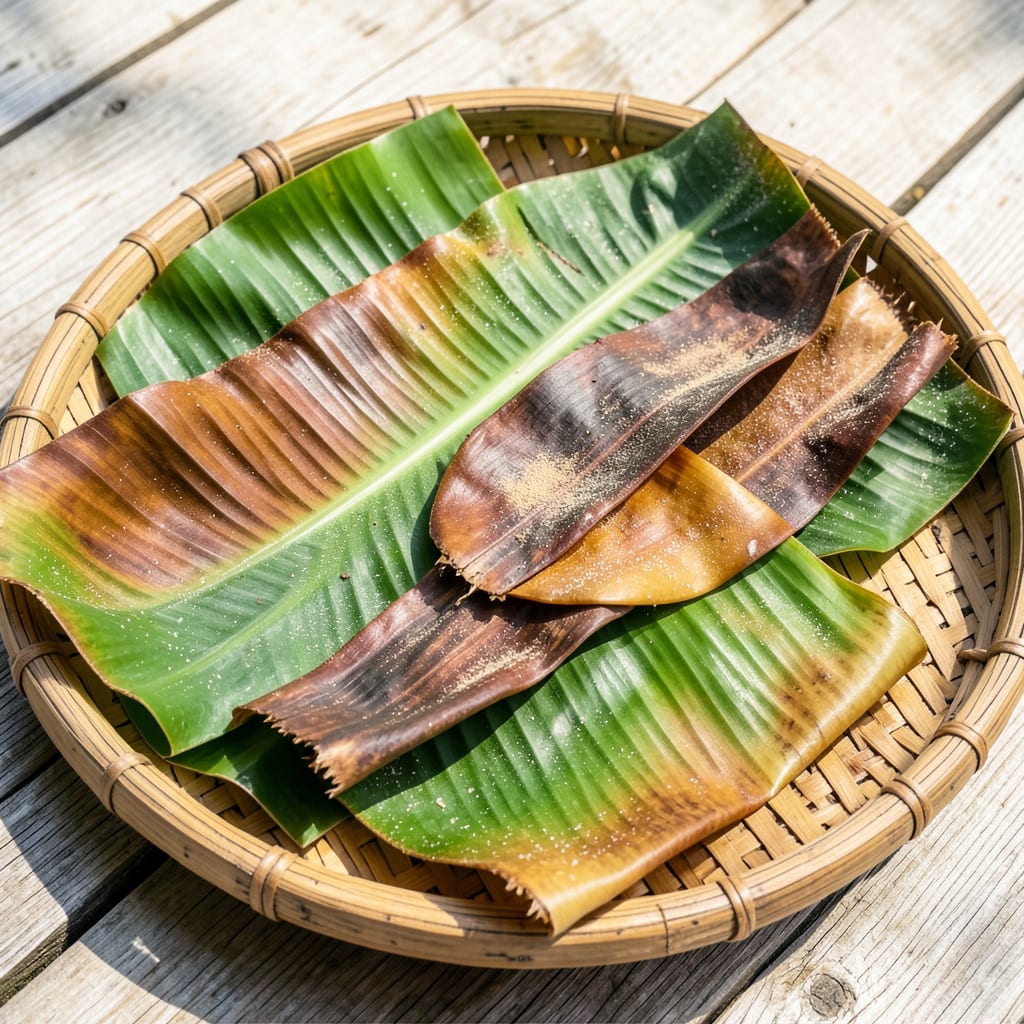
Brown edges on banana leaves always signal trouble. I’ve seen this happen with my own plants, and the fix starts with identifying the root cause.
Too much water, not enough nutrients, or pesky pests could be to blame. Each issue shows up differently in the leaves—yellowing, crispy tips, or dark spots. The good news is that most problems are reversible with the right approach.
Once you pinpoint what’s wrong, simple fixes like adjusting watering, adding organic fertilizer, or treating pests can bring your plant back to its lush green self. The key is acting fast before the damage spreads.
With a little attention, your banana plant can recover in 2-3 weeks. Here’s how to diagnose and treat it.
Banana leaves turning brown can signal several underlying issues, often tied to environmental stress or care deficiencies. Here’s a breakdown of the most common causes:
Banana plants thrive in warm, tropical conditions (78–86°F). Exposure to cold drafts (below 50°F) or heatwaves (above 100°F) disrupts their metabolism, leading to leaf scorching and browning. Cold damage often starts at the leaf edges, while heat stress causes uniform crisping.
Overwatering suffocates roots, reducing oxygen uptake and causing yellowing that progresses to brown necrosis. Conversely, underwatering leads to dry, brittle leaves with brown tips. Bananas need consistent moisture—aim for 1–2 inches of water weekly, adjusting for rainfall.
A lack of potassium (critical for water regulation) manifests as brown leaf margins, especially on older leaves. Magnesium deficiency triggers interveinal browning, while nitrogen shortage causes uniform yellowing followed by necrosis. Test soil and amend with organic compost or potassium-rich fertilizers like wood ash.
Sigatoka disease (caused by Mycosphaerella fungi) starts as yellow spots that enlarge into brown streaks with dark borders. Black Sigatoka is more aggressive, leading to premature leaf death. Improve airflow, avoid overhead watering, and apply copper-based fungicides preventatively.
Spider mites and aphids suck sap from leaves, causing stippling, yellowing, and eventual browning. Check leaf undersides for webbing or tiny insects. Blast pests off with water or use neem oil for organic control.
Here’s how to tackle the most common causes of banana leaves turning brown, with simple, actionable fixes.
Check the soil: if it’s bone-dry, water deeply until it drains from the bottom. For soggy soil, let it dry out and improve drainage with perlite or sand. Prevention tip: Stick your finger 2 inches into the soil—water only if it feels dry.
Yellowing with brown edges often signals a potassium or magnesium shortage. Use a balanced organic fertilizer (like 10-10-10) or add compost tea. For quick fixes, sprinkle wood ash (for potassium) or Epsom salt (for magnesium) around the base. Prevention tip: Test soil every 3 months to catch deficiencies early.
Spider mites or aphids cause brown spots or curled leaves. Blast them off with water, then apply neem oil or insecticidal soap weekly until gone. Prevention tip: Encourage ladybugs and lacewings—they eat pests naturally!
Move potted bananas to shade if leaves scorch from direct sun. For cold damage, cover plants with frost cloth at night. Prevention tip: Acclimate plants gradually to new light conditions.
Brown patches with yellow halos may mean fungal disease. Remove infected leaves, avoid overhead watering, and apply copper fungicide. Prevention tip: Space plants 3–4 feet apart for better airflow.
No, once leaves turn brown, the damage is permanent. Focus on improving plant health to prevent new leaves from browning. Remove severely damaged foliage to redirect energy to new growth.
With proper care, new healthy leaves typically appear within 2-3 weeks. Recovery speed depends on fixing the root cause, like adjusting water or adding nutrients.
Trim only the brown portions if most of the leaf is still green. Remove entire leaves if over 50% is damaged. Always use clean, sharp scissors to avoid further stress.
Not always. Environmental factors like low humidity or inconsistent watering can cause browning too. Check for patterns—disease often creates spots, while stress affects edges uniformly.
