
Beautiful Plants For Your Interior
Beautiful Plants For Your Interior
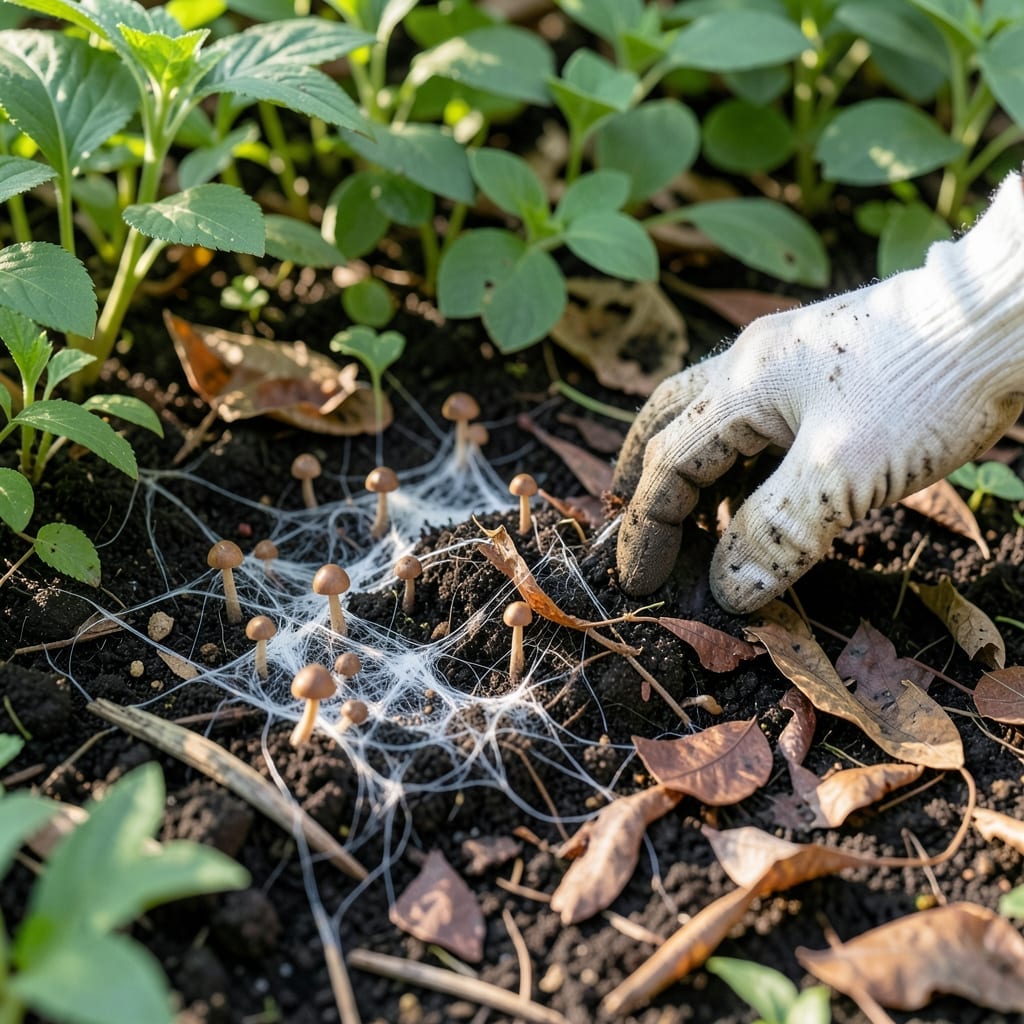
Not all fungi in your garden are the enemy. 🌱 I spent years treating every mushroom or mold as a threat until I learned that 90% of soil fungi actually help plants by breaking down organic matter and fighting pathogens.
Here’s the thing—white, thread-like mycelium is usually beneficial, but fuzzy growths or dark, slimy patches can signal trouble. The key is learning to spot the difference before reaching for harsh chemicals.
Natural solutions like compost tea, baking soda sprays, or simply improving drainage often solve fungal issues without disrupting the soil ecosystem. It’s about working with nature, not against it.
With the right approach, your soil stays healthy and your plants thrive. No guesswork, just proven methods that actually work.
Fungi thrive in garden soil due to a combination of natural and environmental factors. Understanding these causes helps you manage their growth effectively. Below are the primary reasons fungi develop in your garden soil.
Fungi are nature’s recyclers, breaking down dead plant material, leaves, and wood. When organic matter like compost, mulch, or fallen leaves accumulates, fungi colonize it to decompose complex carbohydrates into simpler nutrients. This process is essential for soil health but can lead to visible fungal growth, such as mushrooms or mold, if organic debris isn’t managed.
Overwatering or poor drainage creates a damp environment that fungi love. Soggy soil lacks oxygen, which suppresses beneficial bacteria and allows fungi to dominate. Common culprits include overhead watering, compacted soil, or inadequate drainage systems. Fungi like Phytophthora and Fusarium thrive in these conditions, often harming plant roots.
Fungi proliferate in warm (60–80°F) and humid climates, especially in shaded areas with limited airflow. These conditions accelerate spore germination and mycelial growth. Gardens in tropical or temperate zones, or those with dense plant canopies, are particularly prone to fungal outbreaks.
Imbalanced soil—lacking beneficial microbes or nutrients—creates an opportunity for fungi to take over. Low microbial diversity or excessive use of chemical fertilizers can disrupt the natural soil ecosystem, allowing pathogenic fungi to flourish. Testing and amending soil with compost or mycorrhizal inoculants can restore balance.
Fungal spores can hitch a ride on garden tools, infected plants, or even your shoes. If you’ve previously worked with diseased plants or soil, spores may spread to healthy areas. Always sterilize tools with a 10% bleach solution or rubbing alcohol to prevent contamination.
Fungal problems in your garden soil can be frustrating, but with the right approach, you can restore balance and protect your plants. Below are practical solutions tailored to common fungal causes, along with prevention tips to keep your soil healthy long-term.
Fix: Improve drainage by amending the soil with organic matter like compost or coarse sand. If the area is waterlogged, consider raising garden beds or installing drainage tiles. Water plants deeply but less frequently, allowing the top 1-2 inches of soil to dry out between waterings.
Prevention: Use a moisture meter to monitor soil hydration, and always water in the morning to give the soil time to dry during the day. 💡 Pro tip: Mulch with straw or wood chips to regulate moisture while allowing airflow.
Fix: Remove decaying leaves, fallen fruit, or plant debris that can harbor fungal spores. Turn the soil gently to expose and dry out damp organic matter. For severe cases, apply a thin layer of fungicide like neem oil or copper soap, following package instructions.
Prevention: Practice regular garden cleanup, especially in fall. Compost healthy plant waste away from the garden, and rotate crops yearly to disrupt fungal life cycles.
Fix: Aerate compacted soil with a garden fork or broadfork, loosening it to a depth of 6–12 inches. Add aerating amendments like perlite or well-rotted manure to improve structure.
Prevention: Avoid walking on garden beds, and use raised beds if your soil is naturally heavy. 🌱 Bonus: Plant cover crops like clover in the off-season to naturally loosen and enrich the soil.
Fix: Boost soil health by adding compost tea, mycorrhizal fungi, or a microbial inoculant. These introduce beneficial organisms that outcompete harmful fungi.
Prevention: Maintain diverse plantings and avoid chemical fertilizers, which can disrupt the soil microbiome. Regularly add organic matter to feed the good guys. ✨
White, thread-like growth is usually beneficial mycelium, not mold. It helps break down organic matter and supports plant roots. Only remove it if it turns dark or slimy.
Beneficial fungi appear as white threads or harmless mushrooms. Harmful types show as fuzzy growths, dark spots, or wilting plants. When in doubt, test soil health.
A light baking soda spray (1 tablespoon per gallon) targets surface fungi without harming beneficial soil microbes. Avoid overuse to protect your soil ecosystem.
Vinegar can kill fungi but also harms plants and beneficial microbes. Use only on non-plant areas like pathways. For garden beds, stick to gentler options like neem oil.