
Beautiful Plants For Your Interior
Beautiful Plants For Your Interior
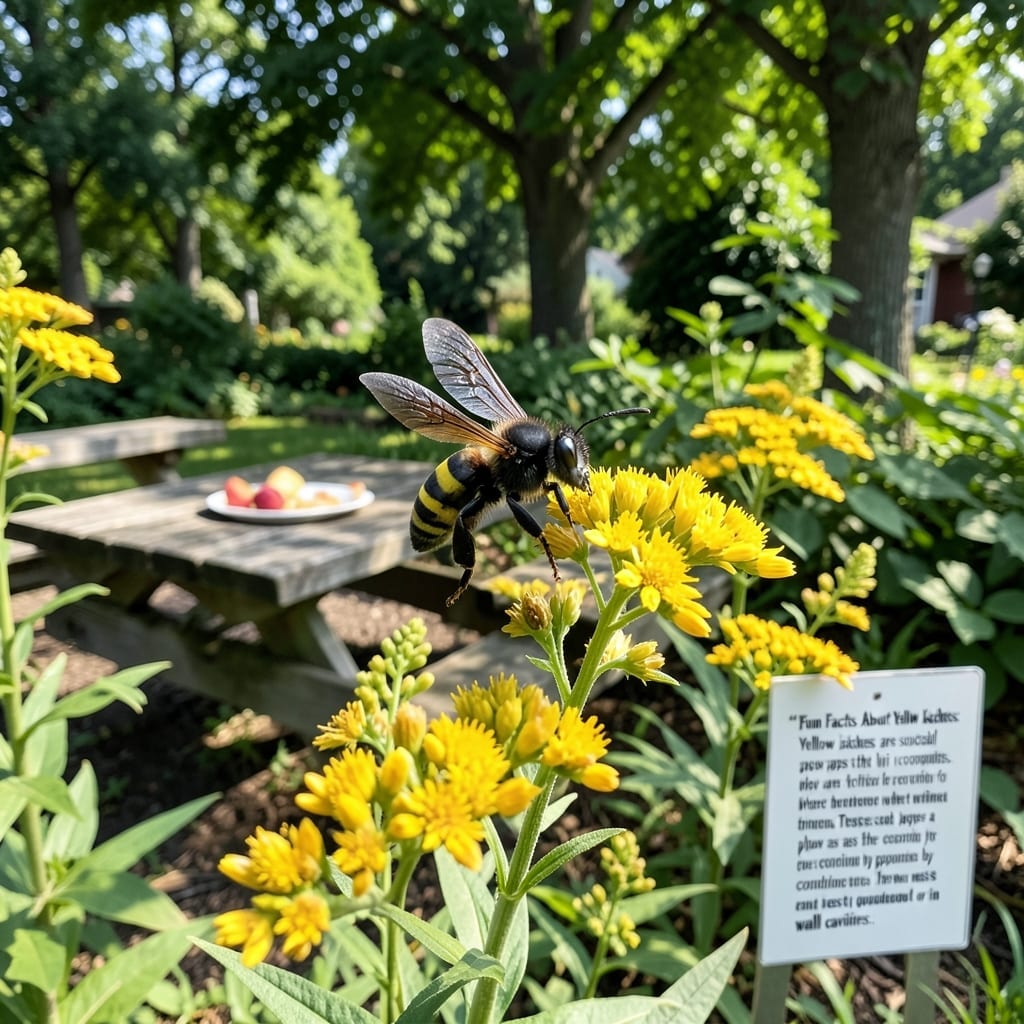
Yellow jackets are aggressive wasps with bright yellow and black markings that build underground nests, pollinate flowers, and can sting repeatedly unlike honeybees.
These insects play a dual role in ecosystems, acting as both pollinators and natural pest controllers. Their underground nests can house thousands of workers, making them highly organized. Unlike bees, they don’t lose their stingers, allowing them to attack repeatedly when threatened. 🔥
I find their social structure fascinating—they have a clear hierarchy with a queen and worker classes, much like ants. This organization helps them efficiently hunt and defend their territory. ✨
💡 In This Article
These insects display remarkable territorial instincts due to their social structure. A single colony can contain 1,000-4,000 workers protecting their queen, which drives their aggressive defense mechanisms. Their hunting patterns are strategic—they target protein-rich prey like caterpillars and flies, consuming up to 1 pound of insects per day per colony. 🔥
Their social hierarchy operates with precision. Worker wasps communicate through pheromones and physical interactions, creating an efficient system for foraging and nest defense. Unlike solitary wasps, yellow jackets work in coordinated teams to overwhelm threats, making them formidable predators in gardens and forests.
Yellow jackets also play a crucial ecological role. While they pollinate flowers, their primary value lies in pest control. They naturally regulate populations of harmful insects, reducing the need for chemical pesticides. Farmers often observe 30-50% fewer crop pests in areas with healthy yellow jacket populations. ✨
What sets them apart from bees is their smooth stinger, allowing repeated stings. This adaptation evolved as a defense mechanism against larger predators. Their venom contains acetylcholine, which intensifies pain and triggers allergic reactions in some individuals, making encounters particularly memorable.
Their seasonal behavior changes dramatically. In spring and summer, they focus on protein to feed larvae. By late summer, their diet shifts to carbohydrates like fruit and nectar, which explains why they become more noticeable at picnics and outdoor gatherings during this time. 💫
Colonies peak in size with thousands of workers by late summer, and food becomes scarce. This triggers defensive behavior as they protect their nest and search for carbohydrates. Their aggression spikes when they feel threatened or starved.
Yellow jackets have smooth bodies with bright yellow and black bands, while honeybees are fuzzy with duller colors. Yellow jackets also have a thinner “wasp waist” and can sting repeatedly, unlike honeybees that die after stinging.
They control pest populations by hunting caterpillars, flies, and other insects. Farmers report 30-50% fewer crop pests in areas with healthy yellow jacket colonies, reducing the need for chemical pesticides.
Stay at least 10 feet away and watch during cooler hours like dawn or dusk. Never shine light directly at the entrance, and avoid sudden movements. Use binoculars for a closer look without disturbing them.