
Beautiful Plants For Your Interior
Beautiful Plants For Your Interior
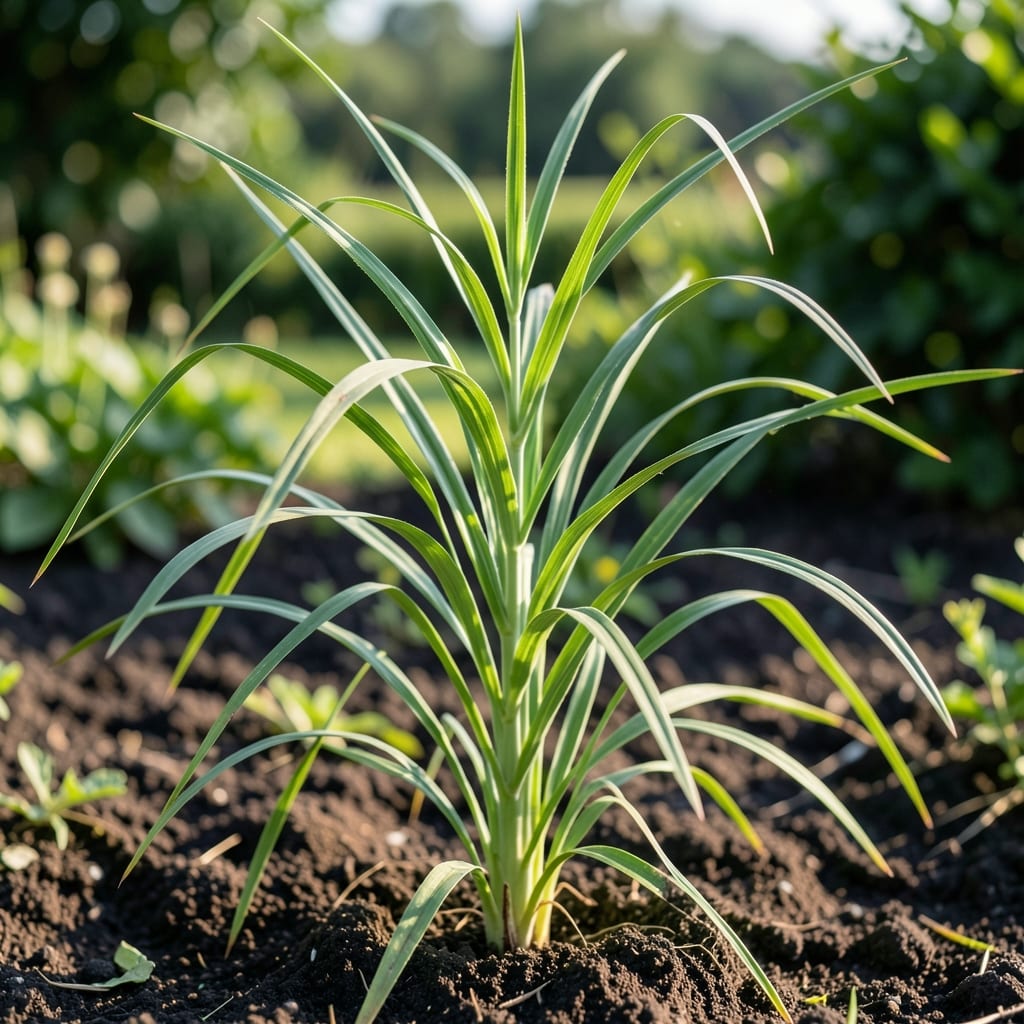
Nothing beats the citrusy scent of fresh lemongrass in your garden. I started growing it last summer and was shocked by how quickly it established itself with just basic care and consistent watering.
You’ll get lush green stalks within months, ready for harvesting whenever you need that bright, zesty flavor. The plants thrive in warm weather and bounce back even after heavy cutting.
📚 In This Guide
This method delivers vibrant, fragrant stalks ready for harvesting in your own garden space.
Choose a spot with full sun exposure, as lemongrass thrives in 6-8 hours of direct sunlight daily. The soil should be well-draining with a slightly acidic to neutral pH (6.0-7.5). I always test the drainage by digging a 1-foot hole and filling it with water—if it drains within an hour, you’re good.
Amend the soil with organic matter like compost to improve fertility and structure. Lemongrass roots spread aggressively, so select an area with enough space or plan to contain it. A raised bed or large container works well if you’re concerned about it taking over.
If starting from nursery plants, dig holes twice as wide as the root ball and just as deep. Place the plant in the hole and backfill with soil, pressing gently to remove air pockets. Space plants 2-3 feet apart to accommodate their mature size.
For propagating from stalks, trim the top and bottom, then place the stalk in a jar of water until roots develop (2-4 weeks). Once roots are 1-2 inches long, transplant into the prepared soil. This method is reliable and gives you a head start on growth.
Water lemongrass consistently, keeping the soil evenly moist but not waterlogged. Aim for 1-1.5 inches of water per week, either from rainfall or supplemental irrigation. I check the soil by inserting my finger 1 inch deep—if it feels dry, it’s time to water.
Fertilize every 4-6 weeks during the growing season with a balanced, water-soluble fertilizer (e.g., 10-10-10). Lemongrass is a heavy feeder, and regular feeding ensures vigorous growth and abundant foliage. Reduce fertilization in late summer to allow the plant to prepare for dormancy.
Remove dead or yellowing leaves at the base of the plant to encourage new growth and maintain air circulation. Prune the plant back to 6 inches in early spring if it has died back over winter. This rejuvenates the plant and promotes fresh, healthy stalks.
Lemongrass can grow tall and may need staking in windy areas. I use bamboo stakes and soft ties to support the stalks without damaging them. Monitor for pests like aphids or spider mites, which can be controlled with a strong spray of water or insecticidal soap.
Begin harvesting leaves once the plant is well-established, typically 3-4 months after planting. Snip individual leaves or cut entire stalks at the base using clean, sharp shears. Harvest in the morning for the best flavor, as the essential oils are most concentrated then.
Avoid removing more than one-third of the plant at a time to ensure continued growth. Regular harvesting encourages bushier growth and more abundant foliage. Fresh leaves can be used immediately or stored in the refrigerator for up to 2 weeks in a sealed container.
These insights will help you cultivate thriving plants with maximum flavor and yield.
The Sunlight Factor: Lemongrass needs that full 6-8 hours of direct sunlight daily mentioned in Step 1 to develop its signature citrusy oils. If your garden gets partial shade, consider planting in containers you can move to follow the sun. I’ve noticed plants in shadier spots grow leggy with less intense flavor.
Soil Preparation Tip: When testing drainage as described in Step 1, don’t skip the compost amendment. The organic matter not only improves fertility but also helps maintain the ideal 6.0-7.5 pH range. A soil test kit is worth the small investment—it’s saved me from multiple failed plantings.
Propagation Patience: The 2-4 weeks rooting period for stalk propagation in Step 2 can feel slow, but resist the urge to rush. I’ve tried transplanting stalks with underdeveloped roots, and they consistently failed to establish. Wait for those 1-2 inch roots—they make all the difference in survival rates.
Maintenance Wisdom: That 6-inch pruning in Step 4 might seem drastic, but it’s the secret to rejuvenating overwintered plants. I was hesitant the first time I cut mine back so severely, but the new growth that followed was more vigorous than ever. Also, don’t overlook the staking advice—tall lemongrass in windy areas will topple without support.
Wrap the leaves in a damp paper towel, place them in a sealed plastic bag, and store in the fridge for up to 2 weeks. For longer storage, freeze them in an airtight container for up to 6 months.
Yes! Use 1 tablespoon of dried lemongrass for every 2 tablespoons of fresh. Dried leaves have a more concentrated flavor, so adjust to taste.
Harvest leaves in the morning after the dew has dried for the best flavor. Choose mature stalks (about ½ inch thick) and snip leaves as needed.
Yellowing leaves often signal overwatering or poor drainage. Check soil moisture and ensure pots have drainage holes. Trim affected leaves to encourage new growth.
Bitterness may mean the plant is stressed or over-fertilized. Reduce watering, avoid high-nitrogen fertilizers, and harvest younger leaves for a milder flavor.