
Beautiful Plants For Your Interior
Beautiful Plants For Your Interior
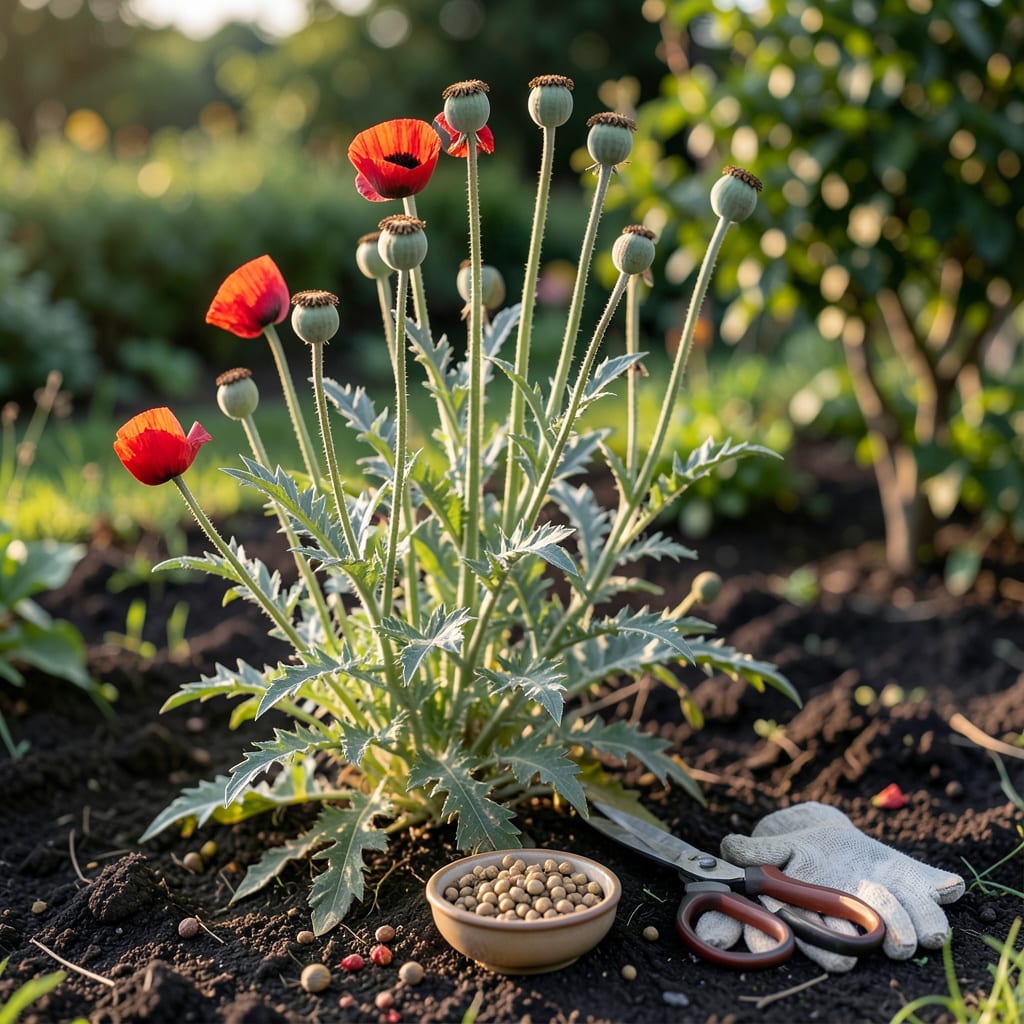
Want to ensure a stunning poppy display next spring? The key lies in properly harvesting your seeds now. I’ll show you the easiest method to collect viable poppy seeds.
With the right timing and technique, you can store these seeds for future planting. Discover how to identify mature pods and preserve their quality for your next garden season.


If you want a colorful poppy garden next year, start by mastering the dry pod method for seed harvesting. This approach ensures you collect mature, viable seeds without damaging the pods.
The best time to harvest is when pods turn brown and papery, and you hear seeds rattling inside. I’ll walk you through each step to guarantee success.
I always wait for full maturity before harvesting, as green pods won’t produce viable seeds. The dry pod method prevents mold and ensures high germination rates for next season.
Use sharp scissors or pruners to avoid crushing the pods. I recommend harvesting on a dry, sunny day to minimize moisture exposure during collection.
After cutting, place the pods in a paper bag to complete drying. This prevents seeds from scattering and keeps them contained. I’ve found this method works best for all poppy varieties. 🌸
Once fully dry, the pods will split open easily. Gently tap them to release seeds into a clean container. Store seeds in a cool, dark place until ready for planting.
For best results, label your seeds with the harvest date and poppy variety. This helps track viability over time and ensures you plant the freshest seeds next season.
Remember, poppy seeds can remain viable for 2-3 years if stored properly. I keep mine in airtight containers to protect them from humidity and pests.
With these steps, you’ll have plenty of seeds to create a vibrant poppy garden year after year. Happy harvesting! 🌿
Timing is everything when harvesting poppy seeds. I look for visual cues that indicate the pods are ready, ensuring the seeds inside are mature and viable for future planting.
The most reliable sign is when pods turn brown and papery. At this stage, they’ll feel dry to the touch and may even develop small slits at the top for natural seed dispersal.
| Sign | Description |
|---|---|
| Color change | Pods turn brown |
| Texture | Feel dry and papery |
| Sound | Seeds rattle inside |
| Stem condition | Turns yellow and dry |
Another key indicator is the sound test. Gently shake the pod—if you hear seeds rattling, they’re ready. I avoid harvesting green pods, as their seeds won’t be mature enough for planting.
Check the stems too. When they turn yellow and dry, it’s a clear sign the pods are nearing full maturity. I’ve found this combination of cues ensures the best seed quality.
For best results, inspect pods in the morning when dew has dried. This makes it easier to spot the color and texture changes. I also recommend harvesting on a dry day to prevent moisture issues.
Remember, poppy pods can split open suddenly when fully ripe. I keep a close eye on them to avoid losing seeds to the wind or ground.
With these signs in mind, you’ll never miss the perfect harvest window for your poppy seeds. 🌸
Proper storage is key to keeping your poppy seeds viable for future planting. I always start by ensuring seeds are completely dry before storing them to prevent mold growth.
For best results, I use airtight containers like glass jars or sealable plastic bags. These protect seeds from moisture and pests that could reduce their lifespan. 🌱
💡 Pro Tip: Store poppy seeds in a cool, dark place like a basement or pantry. Keep temperature below 70°F and humidity under 50% for optimal viability.
Label your containers with the harvest date and poppy variety. This helps track seed age, as poppy seeds typically remain viable for 2-3 years when stored properly.
I avoid storing seeds in refrigerators unless they’re in moisture-proof containers. The cold can extend viability, but condensation can ruin seeds if not properly sealed.
For extra protection, consider adding a silica gel packet to absorb any residual moisture. This simple step can make a big difference in long-term storage success.
With these storage practices, your poppy seeds will be ready to create a beautiful garden season after season. 🌿
Harvest when pods turn brown and papery and rattle when shaken. This means seeds inside are fully mature and ready for storage.
Green pods contain immature seeds that won’t germinate. Always wait for dry, brown pods to ensure viable seeds for next season’s planting.
Place cut pods in a paper bag and store in a dry, warm location for 1-2 weeks. This completes the drying process naturally.
Use airtight containers like glass jars or sealed plastic bags. Add a silica packet to absorb moisture and extend seed viability.
