
Beautiful Plants For Your Interior
Beautiful Plants For Your Interior
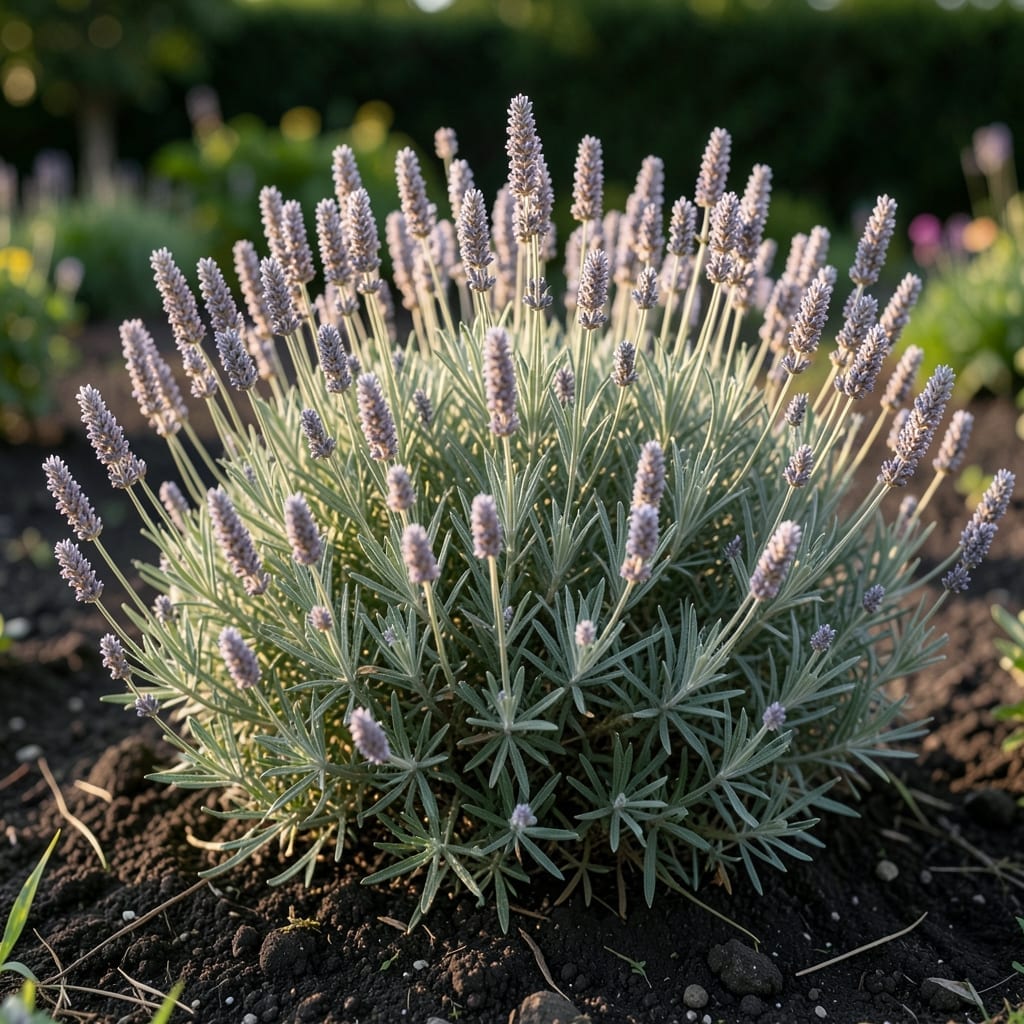
White French lavender brings a soft, elegant twist to the classic purple varieties. I first planted it along my front walk, and now it’s the first thing visitors notice—delicate silver-green foliage topped with pale blooms that seem to glow in the sunlight.
It thrives in full sun and well-draining soil, requiring minimal fuss once established. The fragrance is just as intoxicating as its purple cousins, and it attracts pollinators like bees and butterflies all season long. Perfect for borders, containers, or mass plantings.
📚 In This Guide
Here’s the method I rely on for establishing this fragrant variety in any garden.
Select a location that receives full sun—at least 6-8 hours of direct sunlight daily. French lavender white thrives in hot, dry conditions and struggles in shade. The soil should be well-draining, as this plant despises soggy roots. A slight slope or raised bed works perfectly.
Test drainage by digging a 12-inch-deep hole and filling it with water. If it drains within 1 hour, you’re good. If not, amend the soil with coarse sand or gravel. I’ve found that even in clay-heavy areas, adding 2-3 inches of organic matter improves drainage significantly.
French lavender white prefers lean, alkaline soil with a pH between 6.5 and 8.0. Avoid rich, fertilized soil—this plant is adapted to poor, rocky conditions. If your soil is too acidic, mix in a handful of lime to raise the pH.
Loosen the soil to a depth of 12-15 inches and remove any weeds or debris. I like to mix in a 1-inch layer of coarse sand to further improve drainage. The goal is a loose, airy structure that allows roots to spread easily while preventing waterlogging.
Dig a hole just deep enough to accommodate the root ball, placing plants 18-24 inches apart to allow for air circulation. This spacing prevents crowding, which can lead to fungal issues. Set the plant in the hole so the base of the stem is level with the soil surface.
Backfill the hole with soil and press gently to remove air pockets. Water deeply immediately after planting to help the roots settle in. I’ve learned that a 1-inch layer of gravel or small rocks around the base of the plant helps retain moisture and suppress weeds without trapping excess water.
Water newly planted lavender 2-3 times per week for the first 2-3 weeks, then reduce to once every 2-3 weeks once established. Always water at the base to avoid wetting the foliage, which can lead to disease. The soil should feel dry to the touch between waterings.
French lavender white is drought-tolerant, so it’s better to underwater than overwater. If the leaves start to yellow or wilt, you’re likely giving it too much water. I check the soil by sticking my finger 2 inches deep—if it’s dry, it’s time to water.
Prune lightly after flowering to encourage bushier growth and prevent the plant from becoming woody. Use clean, sharp shears to remove 1/3 of the current year’s growth, cutting just above a leaf node. This encourages new growth and maintains a compact shape.
Avoid pruning into old wood, as lavender doesn’t regenerate well from there. I prune in late summer or early fall, giving the plant time to recover before winter. This variety responds well to pruning, and you’ll notice more vibrant blooms the following season.
Here’s what I’ve learned through trial and error to help your plants thrive.
Sunlight Essential: The 6-8 hours of direct sunlight daily isn’t just a suggestion—it’s critical. I’ve seen lavender struggle in partial shade, producing sparse blooms and weak stems. If your garden has limited sun, consider containers you can move to follow the light. A south-facing spot is ideal for maximizing exposure.
Drainage Test: That 1-hour drainage test in Step 1 is your best insurance against root rot. If water lingers longer, don’t just add sand—mix in 2-3 inches of organic matter like compost or pine fines to improve soil structure. Raised beds are a great solution for heavy clay soils.
Planting Depth: In Step 3, resist the urge to plant deeply. The base of the stem should sit exactly at soil level—burying it too deep can cause stem rot. I use a small level or straightedge to ensure consistency when planting multiple specimens.
Watering Wisdom: The 2-3 times per week schedule for new plants might seem frequent, but remember this is temporary. Once established, the once every 2-3 weeks routine kicks in. The 2-inch-deep finger test is foolproof—if the soil at that depth is dry, it’s time to water, regardless of the calendar.
While it prefers full sun, French white lavender can tolerate partial shade. However, it may produce fewer blooms and have less fragrance in shady spots. Aim for at least 6 hours of sunlight for best results.
Water deeply but infrequently—once every 2-3 weeks once established. Overwatering can cause root rot. Let the soil dry out between waterings to mimic its native Mediterranean conditions.
Plant in early spring or fall to allow roots to establish before extreme heat or cold. Avoid planting during peak summer or winter frost for the best survival rate.
Lack of blooms is often due to too much shade, over-fertilizing, or pruning at the wrong time. Ensure it gets enough sun, avoid high-nitrogen fertilizers, and prune right after flowering.
Yes! Try Lavandula angustifolia (English lavender) or Lavandula x intermedia (Grosso lavender) for comparable scent and beauty in your garden.