
Beautiful Plants For Your Interior
Beautiful Plants For Your Interior
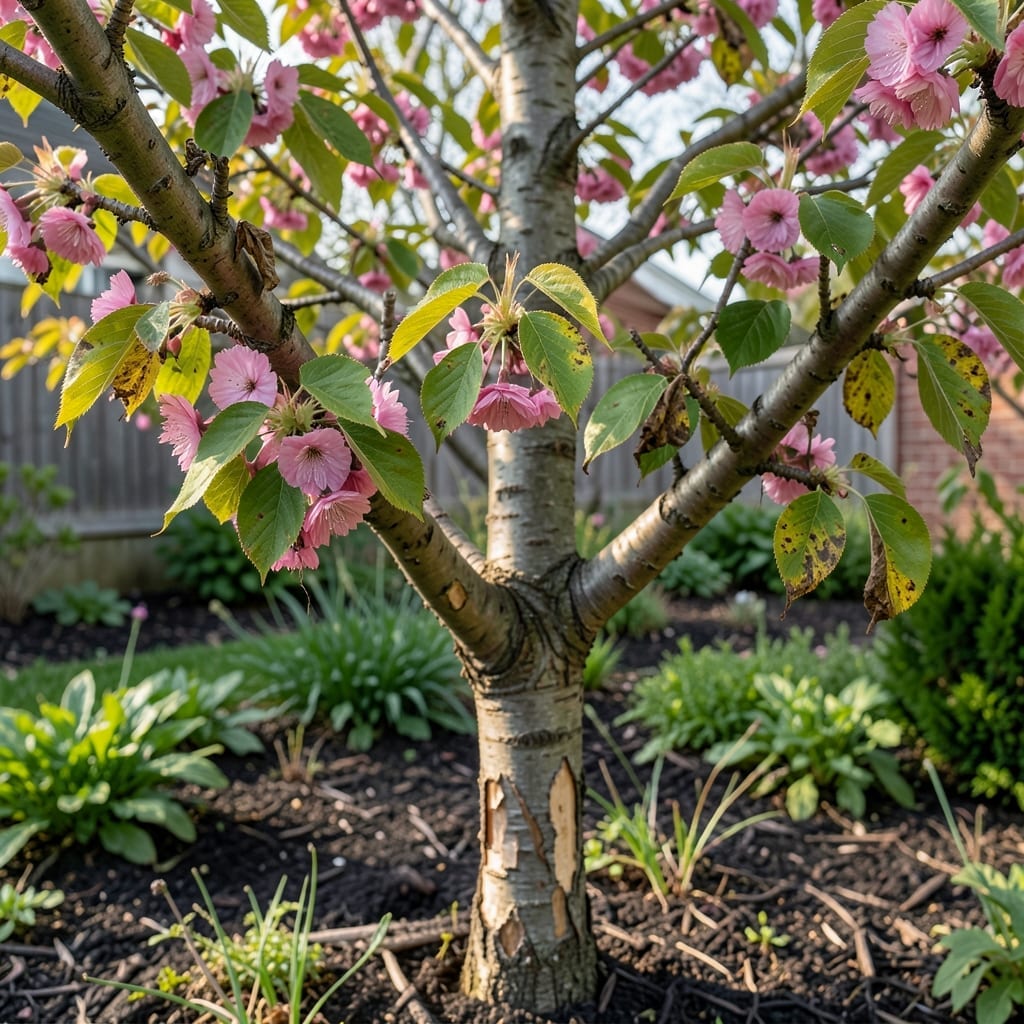
That first spring when my cherry tree’s blooms wilted overnight, I thought I’d lost it forever. Turns out, brown leaves and drooping flowers aren’t a death sentence—they’re your tree’s way of asking for help.
Most issues come down to water stress, pests, or disease. Too much or too little water shows up as crispy edges, while aphids and fungal spots leave their own telltale marks. The fixes are simpler than you’d expect.
With a few adjustments to care and a watchful eye, you can nurse it back to health. I’ve rescued two trees this way, and both bounced back stronger than before.
Works for young saplings and mature specimens alike. Here’s how to diagnose and fix the problem.
Flowering cherry trees can face several problems, often due to environmental, biological, or cultural factors. Understanding the root causes helps in addressing them effectively. Below are the primary reasons why these issues occur:
Extreme temperatures, drought, or excessive moisture can stress the tree, leading to wilting blooms and brown leaves. Heatwaves may scorch petals, while frost can damage new growth. Poor drainage can also suffocate roots, reducing their ability to absorb water and nutrients.
Pathogens like Verticillium or Phytophthora cause vascular diseases, disrupting water flow and leading to wilting. Bacterial canker (Pseudomonas syringae) creates sunken, oozing lesions on bark, while fungal leaf spot diseases (e.g., Blumeriella jaapii) cause brown patches on foliage.
Aphids, scale insects, and borers weaken the tree by feeding on sap or tunneling into wood. Aphids excrete honeydew, promoting sooty mold growth, which blocks sunlight and reduces photosynthesis. Borer damage disrupts nutrient transport, causing branch dieback.
Lack of essential nutrients like nitrogen, potassium, or magnesium can lead to poor bloom development and leaf discoloration. Nitrogen deficiency causes yellowing leaves, while potassium deficiency results in brown leaf edges. Soil pH imbalances may also limit nutrient availability.
Pruning at the wrong time (e.g., late winter) can expose the tree to disease spores. Over-pruning removes too much foliage, reducing the tree’s ability to photosynthesize and produce energy for blooms. Poorly sterilized tools can also spread infections between cuts.
Addressing these causes with proper care, monitoring, and preventive measures can restore your flowering cherry’s health and vibrancy.
Flowering cherry trees can face several issues, but most have simple, practical solutions. Below are the most common problems and their fixes, along with prevention tips to keep your tree thriving.
Yellow leaves often signal nutrient deficiency. Test your soil with a kit to confirm. Amend the soil with a balanced fertilizer (10-10-10) or a nitrogen-rich option if the test shows low levels. Water deeply after applying to help the roots absorb nutrients.
Prevention: Fertilize in early spring and mid-fall to maintain soil health. Mulch around the base to retain moisture and nutrients.
Brown or wilting leaves usually mean underwatering or poor drainage. Check the soil: if it’s dry, water the tree deeply (1-2 inches per week). If the soil is soggy, improve drainage by mixing in compost or sand. Avoid waterlogging, as it can rot the roots.
Prevention: Plant in well-draining soil and water consistently, especially during dry spells. Use a moisture meter to monitor soil conditions.
Aphids, scale, and borers can stress your tree. For aphids and scale, spray with neem oil or insecticidal soap. For borers, remove affected branches and apply beneficial nematodes to the soil. Prune infested areas to prevent spread.
Prevention: Inspect your tree regularly for signs of pests. Encourage beneficial insects like ladybugs, which prey on aphids.
Late frosts can damage blooms. If frost hits, avoid pruning damaged branches immediately—wait until new growth appears. To protect future blooms, cover the tree with frost cloth during cold snaps.
Prevention: Plant your cherry tree in a sheltered spot, away from cold winds. Apply a thick layer of mulch in late fall to insulate the roots.
Spots, mildew, or cankers often indicate fungal issues. Remove infected leaves and branches, then apply a copper-based fungicide. Ensure good airflow by thinning crowded branches.
Prevention: Water at the base of the tree to keep leaves dry. Clean up fallen leaves and debris, which can harbor spores.
Brown blossoms often result from frost damage or fungal infections. Late frosts can scorch petals, while fungal issues like botrytis cause browning. Remove affected blooms and apply a copper fungicide if needed.
Water deeply 1-2 times per week, ensuring the soil stays moist but not soggy. Increase frequency during droughts. Use a moisture meter to check 2 inches below the surface for accuracy.
Yes! Remove infected leaves and apply neem oil or a fungicide. Improve airflow by pruning dense branches. Prevent recurrence by raking fallen leaves to eliminate spores.
Use a balanced 10-10-10 fertilizer in early spring. For poor soil, add compost or organic matter. Avoid high-nitrogen fertilizers late in the season, as they promote leafy growth over blooms.