
Beautiful Plants For Your Interior
Beautiful Plants For Your Interior
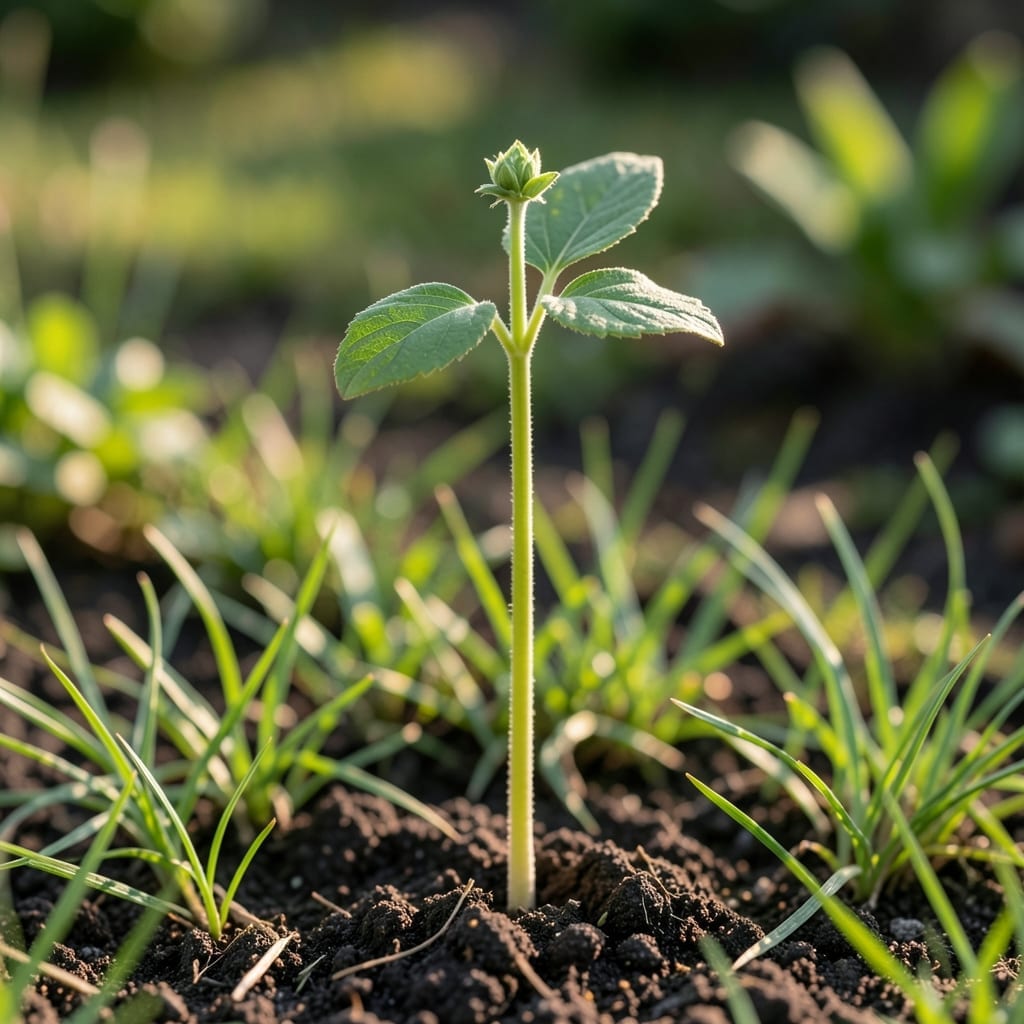
Those first green shoots poking through the soil always get my heart racing. 🌱 Tiny leaves can look nearly identical at first glance, but each flower species has its own signature way of announcing itself to the world.
I’ve spent countless mornings crouched in the garden, comparing sprouts to photos in my notebook. The shape of the first true leaves, the color of the stem, even the way they unfurl—these subtle clues tell you exactly what’s growing before it’s tall enough to be obvious.
What you’re looking for are cotyledons that differ from the first true leaves, which appear after the initial pair. Some sprouts come up purple or red, while others stay bright green from the start.
This skill saves you from accidentally pulling up your prized blooms while weeding. Once you know what to look for, identifying flower sprouts becomes second nature.
Understanding why flower sprouts emerge helps gardeners nurture healthy plants. Below are the primary causes behind this natural process, explained with actionable insights.
Plants often respond to seasonal changes like longer daylight hours (photoperiodism) or rising temperatures. For example, many perennials sprout flowers in spring when days grow longer, triggering hormonal shifts that promote blooming. Action: Track local sunlight patterns to predict sprouting cycles.
Adequate water and nutrients (especially phosphorus) signal to the plant that conditions are favorable for reproduction. Over- or under-watering can delay sprouting. Action: Use a balanced fertilizer (e.g., 10-20-10) and maintain consistent soil moisture.
Flower sprouts appear only after the plant reaches reproductive maturity, which varies by species. Annuals may sprout quickly, while trees like dogwoods take years. Action: Research your plant’s lifecycle to anticipate sprouting timelines.
Some plants sprout flowers to attract pollinators. Stress (e.g., drought) can accelerate this as a survival mechanism. Action: Encourage pollinators with companion plants like lavender or marigolds.
Identifying young flower sprouts can be tricky, but with the right approach, you’ll spot the differences in no time. Below are practical solutions to common identification challenges, paired with prevention tips to keep your gardening game strong.
Fix: Use a magnifying glass or your phone’s camera zoom to examine leaf shape, vein patterns, and stem texture. Compare these details to a reliable plant identification app or guide. Seedling leaves (cotyledons) often look similar, so focus on the true leaves that appear later.
Prevention: Label seeds or seedlings at planting with popsicle sticks or plant tags. Group similar-looking sprouts in separate containers to avoid mix-ups.
Fix: Note subtle differences like leaf edges (serrated vs. smooth), color (deep green vs. purplish tinges), or growth habits (upright vs. sprawling). Cross-reference with a visual comparison chart for common lookalikes (e.g., arugula vs. radish sprouts).
Prevention: Plant one species per pot or row when starting seeds. Keep a gardening journal with photos of sprouts at different stages for future reference.
Fix: Rule out poor soil or light conditions first—adjust watering, ensure 6–8 hours of sunlight, or move to a warmer spot. If growth is still sluggish, check for pests (like aphids) or diseases (e.g., damping off) and treat accordingly.
Prevention: Start with high-quality seed-starting mix and maintain consistent moisture. Use a heat mat for warmth-loving plants and rotate pots daily for even light exposure.
Take photos of sprouts weekly and use a free plant ID app to track progress. Over time, you’ll train your eye to recognize patterns faster! ✨
Look for distinct cotyledons (first leaves) that match your planted species. Weeds often have jagged or irregular leaves, while flower sprouts usually display smoother, more uniform shapes. When in doubt, wait for the first true leaves to appear.
Tiny green shoots emerging from the soil are the first clue. These will develop into cotyledons, followed by true leaves that resemble the mature plant. Some sprouts may have a slight purple or red tint initially.
Yes, but it’s easier with the first true leaves rather than cotyledons. Compare leaf shape, edge pattern, and vein structure to reference images. Many common flowers have unique leaf characteristics.
Genetic variation within species, different growing conditions, or hybrid varieties can create visual differences. Even the same plant type may show slight variations in leaf shape or color.