
Beautiful Plants For Your Interior
Beautiful Plants For Your Interior
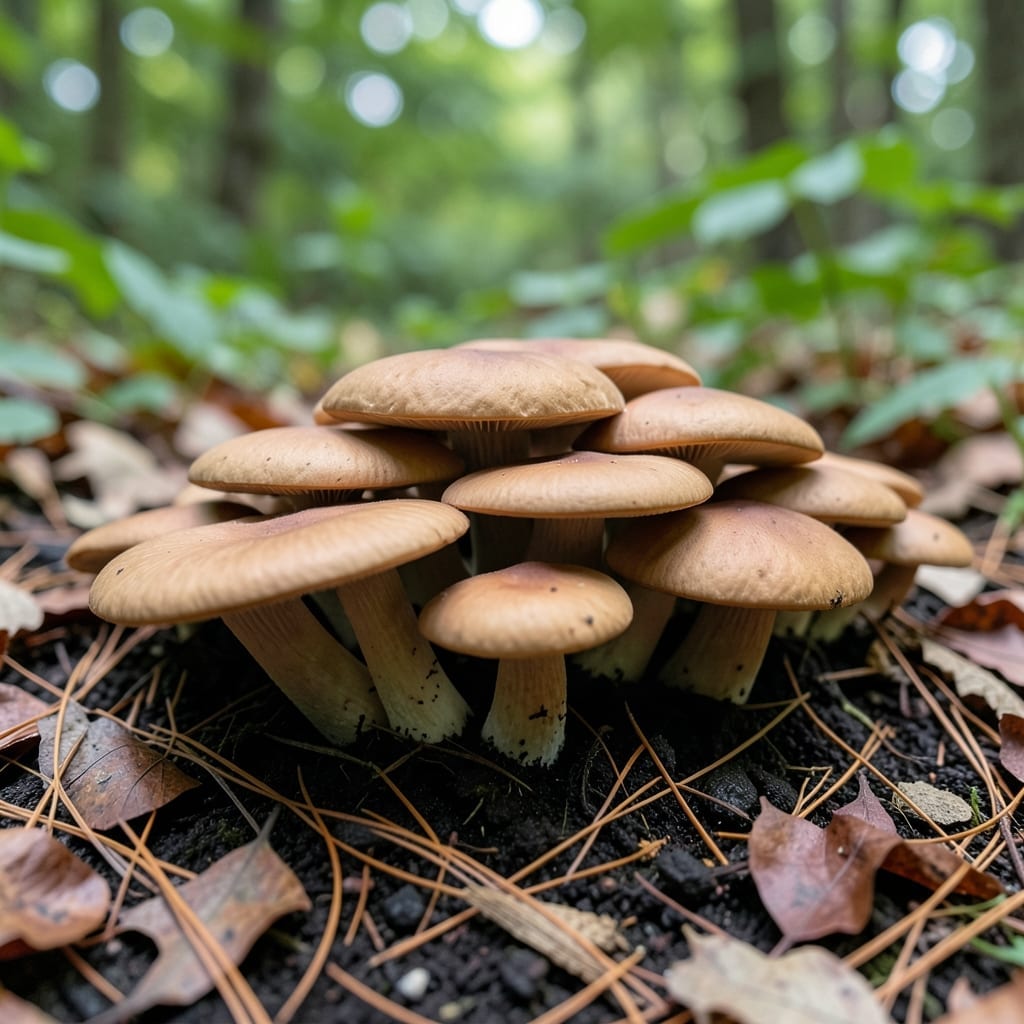
Spotted flat brown mushrooms in your garden soil last week? Don’t panic. I’ve dealt with these pop-up visitors more times than I can count, and they’re usually just nature’s way of breaking down organic matter.
These fungi appear when there’s excess moisture and decaying material beneath the surface. They’re not harmful to your plants, but they can signal that your soil needs a little aeration or drainage attention.
Removing them is simple: pick them by hand, improve airflow, and adjust watering. They’ll fade on their own once conditions change.
Prevention is even easier—just keep your garden beds clean and avoid overwatering. Your soil (and plants) will thank you.
Flat brown mushrooms in your garden often appear due to specific environmental and biological factors. Understanding these causes can help you manage or prevent their growth effectively.
These mushrooms thrive in soil rich in decomposing organic material, such as wood chips, compost, or dead roots. Fungi break down lignin and cellulose, releasing nutrients back into the soil. If your garden has recently been amended with organic matter, this could be the primary reason for their appearance.
Overwatering or poor drainage creates the damp conditions fungi love. Flat brown mushrooms often emerge after periods of heavy rain or in areas with consistent irrigation. Ensure your garden has proper drainage to discourage their growth.
Mushrooms flourish in warm, humid climates, especially during the growing season. If your region experiences high humidity or mild temperatures, these conditions can accelerate fungal growth in your garden soil.
Fungal spores are naturally present in soil and can be spread by wind, water, or gardening tools. Once conditions are favorable, these spores germinate, leading to the emergence of flat brown mushrooms. Disturbing the soil can also bring dormant spores to the surface.
If your garden contains buried wood, stumps, or wood-based mulch, it provides an ideal food source for fungi. These materials decompose slowly, sustaining mushroom growth over time. Consider removing or replacing wood-based materials if mushrooms are a recurring issue.
If flat brown mushrooms are popping up in your garden, don’t panic—here’s how to tackle the issue at the source. Each cause has a straightforward fix, plus ways to keep them from coming back.
Reduce watering and let the soil dry out between sessions. For heavy clay soil, mix in compost or sand to improve drainage. If the area stays soggy, consider installing a French drain or redirecting water flow with a small trench.
Prevention tip: 💡 Water early in the day so excess moisture evaporates, and avoid over-mulching, which traps dampness.
Mushrooms thrive on rotting wood, leaves, or old mulch. Rake up fallen debris and clear out dead plant material regularly. If mushrooms are growing on a stump or buried wood, dig it out completely.
Prevention tip: ✨ Use fresh, well-aged mulch and turn your compost pile frequently to speed up decomposition before spreading it.
Trim back overhanging branches or thin out dense plantings to let sunlight and air reach the soil. Prune nearby shrubs and space plants farther apart to reduce humidity. For persistent damp areas, lay down gravel or pea stone to discourage growth.
Prevention tip: 🎯 Rotate planting beds annually to disrupt fungal life cycles and keep the garden environment balanced.
Work neem cake or mycorrhizal fungi into the soil to outcompete unwanted mushrooms. A light dusting of baking soda (1 tbsp per gallon of water) can also help adjust pH and deter growth without harming plants.
Prevention tip: 🌡️ Test your soil every few years—mushrooms often appear in overly acidic or compacted soil. Aerate and amend as needed.
No, they’re usually harmless to healthy plants. They feed on decaying matter, not living roots. In fact, they help break down organic material, enriching your soil naturally
Pick them by hand with gloves on, or dig them out with their base. Avoid chemical fungicides—improving drainage and removing organic debris works better and is safer for your garden
They might if conditions stay damp and organic matter remains. To prevent regrowth, address moisture issues and clear decaying material from the soil. Consistent garden maintenance keeps them at bay
Yes, but only if they’re not treated with chemicals. Add them to your compost pile—they’ll break down and contribute to nutrient-rich soil. Avoid composting if they’re diseased or moldy