
Beautiful Plants For Your Interior
Beautiful Plants For Your Interior
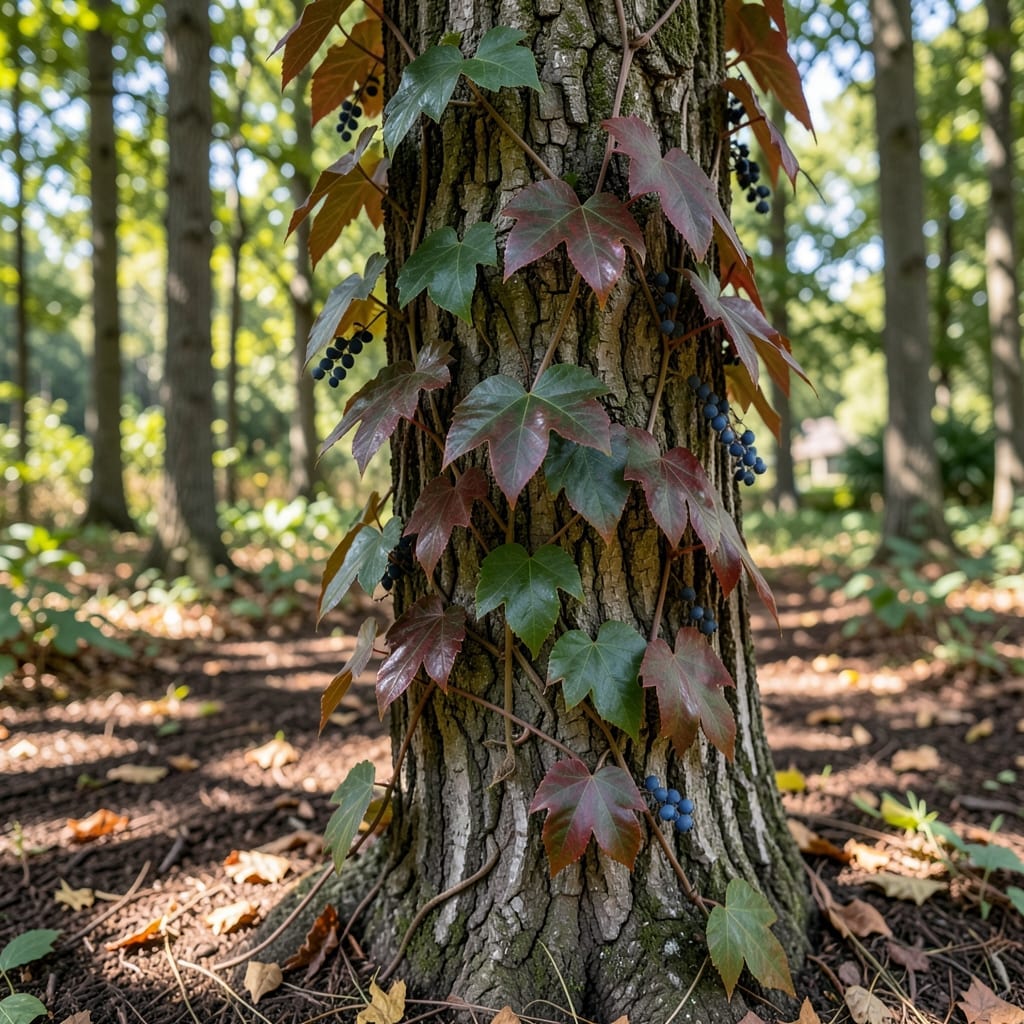
That first glimpse of deep green leaves and clusters of berries got me hooked. Five-leaf vines bring unexpected texture and color to any space, whether climbing a trellis or spilling from a container.
I’ve grown several varieties, and the key is matching the plant to your conditions. Some thrive in full sun, others prefer shade, but all reward you with vibrant foliage and a bounty of berries that attract wildlife.
With the right care, these vines establish quickly and can spread 6-10 feet in a single season. They’re low-maintenance once settled, needing only occasional pruning to keep them in check.
Perfect for fences, arbors, or ground cover. Here’s how to make them flourish in your garden.
The appearance of a five-leaf vine with berries in your garden or landscape often stems from specific environmental or biological triggers. Below are the primary reasons why this plant thrives and produces its characteristic berries.
This vine flourishes in well-draining, nutrient-rich soil with a slightly acidic to neutral pH (6.0–7.0). Poor drainage or compacted soil can stress the plant, but when conditions are optimal, it grows vigorously and produces berries as a reproductive response.
Full to partial sunlight (6+ hours daily) stimulates photosynthesis and fruit production. Insufficient light leads to leggy growth and fewer berries, while excessive shade may prevent berry formation entirely.
Consistent moisture—without waterlogging—encourages healthy growth. Drought stress can trigger berry production as a survival mechanism, while overwatering may cause root rot, limiting the plant’s ability to bear fruit.
Many five-leaf vines rely on insect pollinators (bees, butterflies) to fertilize flowers, leading to berry development. A lack of pollinators or planting in isolated areas reduces berry yield.
Some varieties are genetically predisposed to produce berries under specific conditions. Additionally, seasonal changes (e.g., cooler temperatures in fall) can signal the plant to shift energy toward berry production for seed dispersal.
If your five-leaf vine with berries is struggling, these targeted fixes will help it bounce back. Below are practical solutions for the most common problems, along with prevention tips to keep your plant thriving.
Yellow leaves often signal too much water or not enough light. Move your vine to a spot with bright, indirect sunlight (east or north-facing windows work best). Let the top inch of soil dry out before watering again. Use a well-draining potting mix to prevent root rot.
Prevention tip: 💡 Stick your finger in the soil weekly—if it feels damp, hold off on watering.
Spider mites or aphids love to snack on vines. Wipe leaves with a damp cloth dipped in soapy water (1 tsp mild soap per liter of water) to remove pests. For stubborn cases, spray with neem oil (follow package instructions). Isolate the plant to prevent spreading.
Prevention tip: 🌿 Mist leaves regularly to deter pests and boost humidity.
If your vine isn’t growing, it may need a nutrient boost. Fertilize monthly in spring and summer with a balanced liquid fertilizer (10-10-10). Reduce feeding in fall and winter when growth naturally slows.
Prevention tip: ✨ Repot every 1–2 years with fresh soil to replenish nutrients.
Lack of berries? Hand-pollinate by gently brushing flowers with a soft paintbrush to transfer pollen. Ensure the plant gets 6+ hours of sunlight daily to support fruiting.
Prevention tip: 🎯 Place the vine near an open window for natural airflow and pollinators.
These vines thrive in well-draining soil with a pH of 6.0–7.0 and need 6+ hours of sunlight daily. Partial shade is tolerated but may reduce berry production.
Water when the top inch of soil feels dry, typically 1–2 times per week. Avoid waterlogging, as this can lead to root rot and fewer berries.
Lack of sunlight, poor pollination, or nutrient deficiencies can limit berry growth. Ensure full sun exposure and consider hand-pollinating if needed.
Aphids and spider mites are frequent issues. Use soapy water or neem oil for control, and isolate affected plants to prevent spreading.