
Beautiful Plants For Your Interior
Beautiful Plants For Your Interior
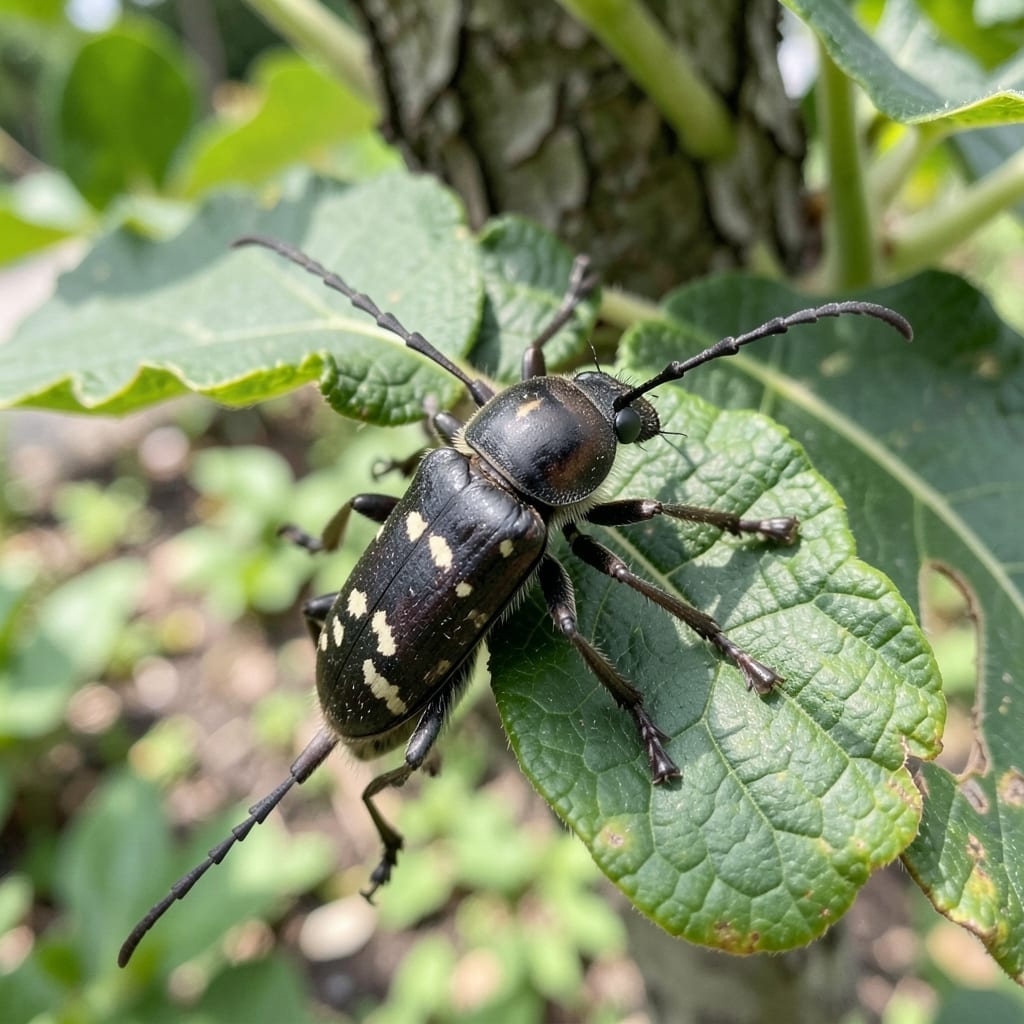
That first oozing hole in my fig tree bark struck fear into me. Fig tree borers tunnel beneath the surface, silently destroying what took years to grow.
I learned these pests target stressed trees first. Yellowing leaves, premature fruit drop, and sawdust-like frass near the base are the red flags I now watch for religiously.
The solution isn’t complicated—just consistent. Early detection means the difference between saving your tree and watching it decline over 2-3 seasons.
Healthy trees resist better. Proper watering, mulching, and seasonal inspections create a defense system that works before infestations start.
Fig tree borers are a common menace, but understanding why they attack can help you prevent them. These pests are drawn to trees that are already stressed or damaged, making prevention a mix of vigilance and proper care. Below are the primary causes of infestations, explained in detail.
Stressed fig trees are a magnet for borers. Drought, poor soil conditions, or improper pruning can weaken a tree, emitting stress signals that attract borer beetles. Ensure your tree is healthy by providing consistent watering, balanced fertilization, and proper pruning to minimize vulnerability.
Physical injuries, such as cuts from pruning or storm damage, create entry points for borer larvae. These pests lay eggs in bark crevices or exposed wood, where larvae can easily burrow in. Seal pruning cuts with horticultural wound dressing and remove damaged branches promptly to reduce access points.
In ecosystems where natural predators (like woodpeckers or parasitic wasps) are absent, borer populations can thrive unchecked. Encourage biodiversity in your garden by planting companion species that attract beneficial insects and birds, which can help control borer numbers naturally.
Tackling a fig tree borer infestation requires quick action and the right approach. Below are targeted solutions for common causes, along with prevention tips to keep your tree healthy long-term.
If you spot entry holes or sawdust-like frass, prune and destroy affected branches immediately. Use sterilized pruning shears to cut at least 6 inches below visible damage. Burn or dispose of the wood in sealed bags to prevent reinfestation. Prevention tip: Inspect your tree regularly for early signs like wilting leaves or oozing sap.
For active larvae inside the tree, introduce steinernema carpocapsae nematodes. Mix them with water and spray onto the trunk and soil at dusk. These microscopic worms seek out and kill borer larvae without harming the tree. Prevention tip: Repeat applications every 4-6 weeks during the growing season.
Apply horticultural oil or a pyrethrin-based insecticide to suffocate adult borers and deter egg-laying. Spray the trunk, branches, and bark crevices thoroughly, focusing on areas with visible damage. Prevention tip: Treat in early spring or late fall when borers are most active.
A stressed tree is more vulnerable. Ensure proper watering, mulching, and fertilization to maintain vigor. Avoid over-fertilizing with nitrogen, as it can attract borers. Prevention tip: Keep the area around the tree free of debris and fallen fruit, which can harbor pests.
Combine these methods for the best results, and monitor your tree closely to catch any new infestations early. Consistency is key!
Look for small holes in the bark, sawdust-like frass at the base, or wilting leaves. Oozing sap and premature fruit drop are also red flags.
Treat in early spring or late fall when borers are most active. Evening applications work best for nematodes to avoid UV damage.
Prune out infested branches immediately and strengthen the tree’s health. Severe cases may take 2-3 seasons to recover, but consistent care helps.