
Beautiful Plants For Your Interior
Beautiful Plants For Your Interior
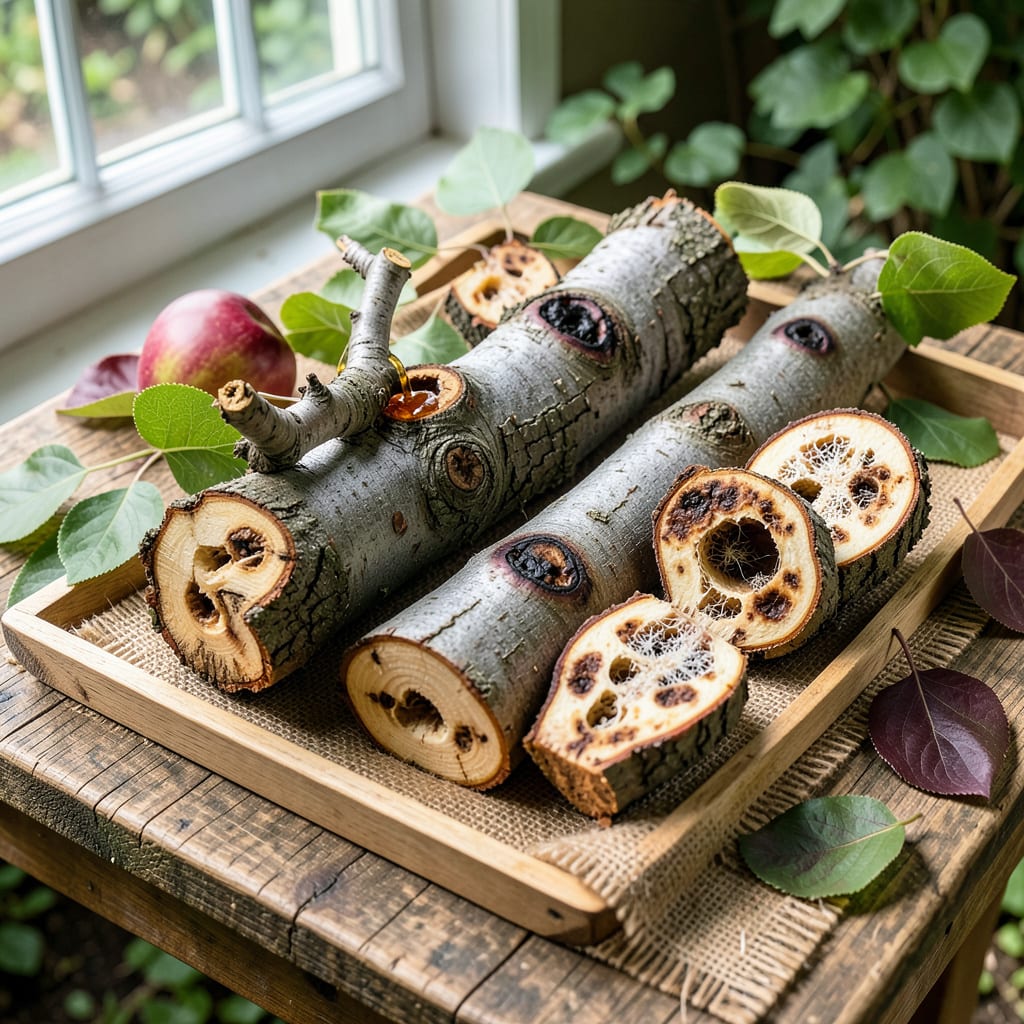
Spotted something odd on your apple tree’s trunk last week? I’ve seen healthy bark turn spotted, cracked, or oozing overnight—often the first clue that a silent problem is spreading.
These issues don’t announce themselves with fanfare. Instead, they show up as discoloration, cankers, or peeling patches that most gardeners dismiss as normal aging. Early detection is the only way to stop them before they girdle the trunk and kill the tree.
I’ve saved three mature apples this year alone by catching symptoms before they advanced. The fix often starts with a sharp pair of pruners and a closer look at what’s really going on beneath the surface.
Whether you’re growing heirlooms or new cultivars, this guide helps you read the signs before it’s too late.
Apple tree bark diseases often stem from a mix of environmental stressors, pathogenic attacks, and poor cultural practices. Understanding the root causes can help you prevent and manage these issues effectively. Below are the primary culprits behind bark diseases in apple trees.
Fungi like Neonectria galligena (European canker) and Botryosphaeria spp. are common invaders. These pathogens thrive in wet, humid conditions, entering through wounds or pruning cuts. They break down bark tissue, leading to sunken lesions, oozing cankers, or peeling bark. Actionable tip: Prune during dry weather and sterilize tools to reduce fungal entry points.
Bacteria such as Erwinia amylovora (fire blight) can cause dark, water-soaked bark lesions that eventually crack or ooze. These infections spread via insects, rain, or contaminated tools. Actionable tip: Remove and burn infected branches immediately to prevent the bacteria from spreading to healthy tissue.
Insects like borers (e.g., Saperda spp.) and bark beetles weaken trees by tunneling under the bark. Their activity creates entry points for secondary infections and disrupts nutrient flow. Actionable tip: Monitor for early signs of infestation (e.g., holes, sawdust-like frass) and apply insecticidal treatments or beneficial nematodes as needed.
Extreme temperatures, drought, or waterlogging can compromise a tree’s natural defenses. Frost cracks, for example, expose inner bark to pathogens, while drought-stressed trees are more susceptible to canker-forming fungi. Actionable tip: Mulch to retain soil moisture and use frost guards in cold climates to minimize stress-induced damage.
Improper pruning—such as leaving stubs or making jagged cuts—creates ideal conditions for disease entry. Wounds heal slowly, allowing fungi and bacteria to colonize. Actionable tip: Always make clean, angled cuts just outside the branch collar and avoid pruning during wet seasons.
Apple tree bark diseases can be managed and even reversed with the right approach. Below are targeted solutions for common issues, along with prevention tips to keep your trees thriving.
For fungal diseases like canker or apple scab, prune infected branches immediately—at least 6 inches below the damaged area. Disinfect tools with rubbing alcohol between cuts to avoid spreading spores. Apply a copper-based fungicide to the wounds and surrounding bark. Prevention tip: 💡 Improve air circulation by thinning branches and removing fallen leaves, which can harbor fungi.
If you spot bacterial ooze (e.g., fire blight), cut affected branches 8–12 inches below the visible damage during dry weather. Burn or dispose of infected material far from the tree. Spray the tree with bactericide (like streptomycin) in early spring. Prevention tip: ✨ Avoid overhead watering, as moisture spreads bacteria. Sterilize pruning tools every time you use them.
For physical damage (e.g., frost cracks or mechanical wounds), clean the area with a soft brush and soapy water, then let it dry. Apply tree wound dressing or a natural sealant like beeswax to protect exposed tissue. Prevention tip: 🌡️ Wrap young trees in burlap or tree guard before winter to prevent sunscald and rodent damage.
If borers or beetles are tunneling under the bark, use a wire or knife to physically remove pests, then treat the area with neem oil or insecticidal soap. For severe cases, apply systemic insecticides labeled for fruit trees. Prevention tip: 🎯 Encourage beneficial insects (like ladybugs) and avoid over-fertilizing, which attracts pests.
Regularly inspect your apple trees for early signs of trouble, and act quickly to isolate and treat problems before they spread. Healthy bark equals a strong, productive tree!
Look for sunken, discolored lesions or cankers on the bark, often with a dark border. Fungal infections may also cause oozing or peeling bark in wet conditions.
This often signals bacterial fire blight. Prune 8–12 inches below the damage in dry weather and dispose of the branches far from the tree. Apply bactericide immediately.
Yes, frost cracks expose inner bark to pathogens. Clean the area, then seal with tree wound dressing or beeswax. Prevent future cracks by wrapping young trees in burlap before winter.
Use copper-based fungicides for fungi, neem oil for pests, and natural sealants like beeswax for wounds. Always remove infected material first.
