
Beautiful Plants For Your Interior
Beautiful Plants For Your Interior
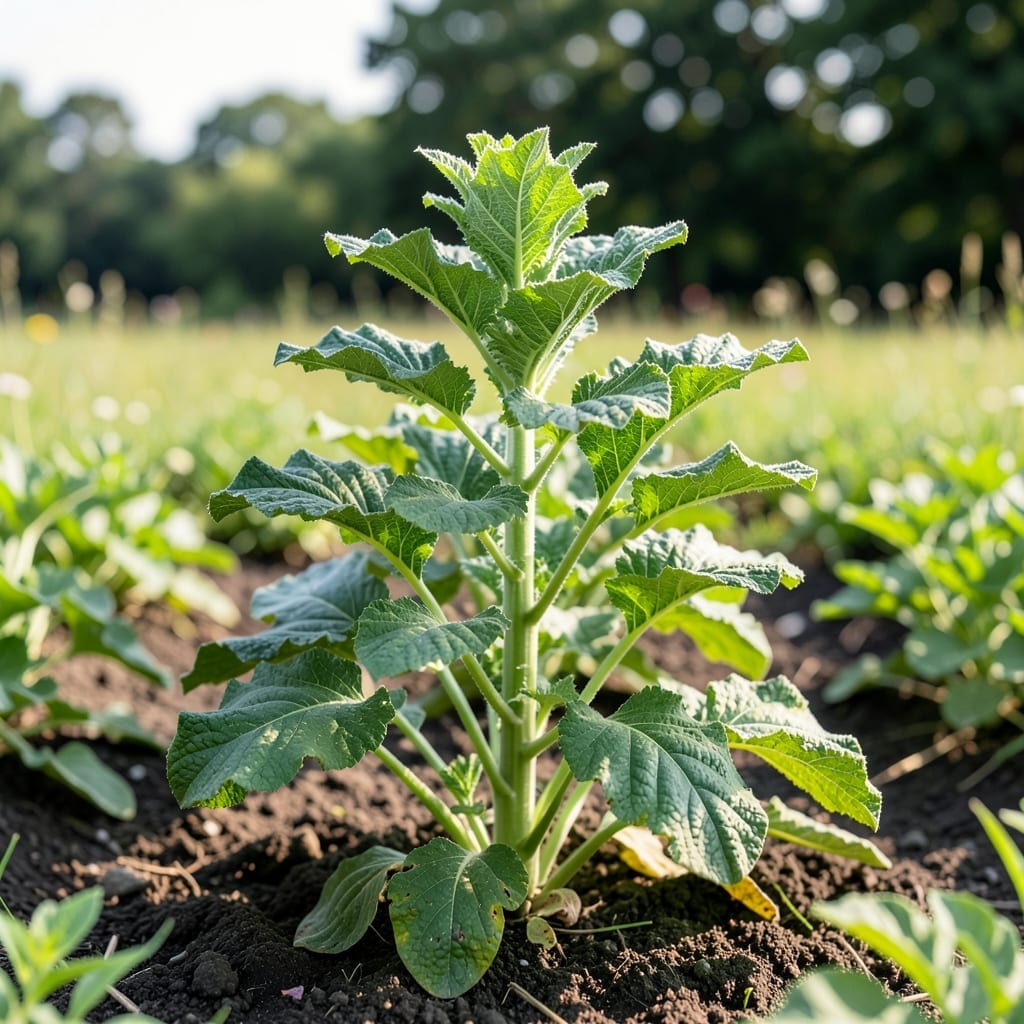
I started growing field mustard for its peppery kick and bold greens. It thrives in cool weather and poor soil, making it one of the easiest greens to cultivate.
You’ll harvest tender leaves in 4-6 weeks, with plants that self-seed for next season. Perfect for salads, stir-fries, or as a fast cover crop between other plantings.
📚 In This Guide
Small details make the difference between a struggling patch and a thriving crop of bold greens.
The Sunlight Factor: That 6-8 hours of direct sunlight daily isn’t just a suggestion—it’s essential for developing the peppery flavor these greens are known for. If your garden gets afternoon shade, prioritize morning sun, which is less intense and helps prevent bolting in warmer weather.
Seed Depth Secret: The ¼ inch deep planting depth might seem shallow, but mustard seeds need light to germinate. Press them just enough to make soil contact, then barely cover them. I’ve found broadcasting on the surface and misting works just as well, as long as the soil stays consistently moist.
Thinning Strategy: When seedlings reach their first true leaves, thinning to 6-8 inches apart feels drastic, but it’s necessary. Overcrowded plants produce small, weak leaves. Use the thinnings in salads—they’re just as flavorful as mature leaves!
Soil Temperature Tip: Germination within 5-10 days only happens when soil temps stay above 50°F. In early spring or fall, use a soil thermometer to check. If it’s cooler, consider starting seeds indoors or waiting for warmer weather.
Yes! Field mustard leaves have a peppery flavor and can be enjoyed raw in salads or sandwiches, but their spiciness mellows when cooked.
Harvest the leaves when they’re young (4-6 weeks old) for the best texture and mildest flavor. Older leaves can turn bitter.
If you can’t find field mustard, try arugula, dandelion greens, or kale for a similar peppery or earthy taste.
Yellowing leaves may signal overwatering, poor drainage, or nutrient deficiencies. Check soil moisture and adjust care as needed.
Wrap unwashed leaves in a damp paper towel, place in a sealed container, and refrigerate for up to 5 days to keep them crisp.