
Beautiful Plants For Your Interior
Beautiful Plants For Your Interior
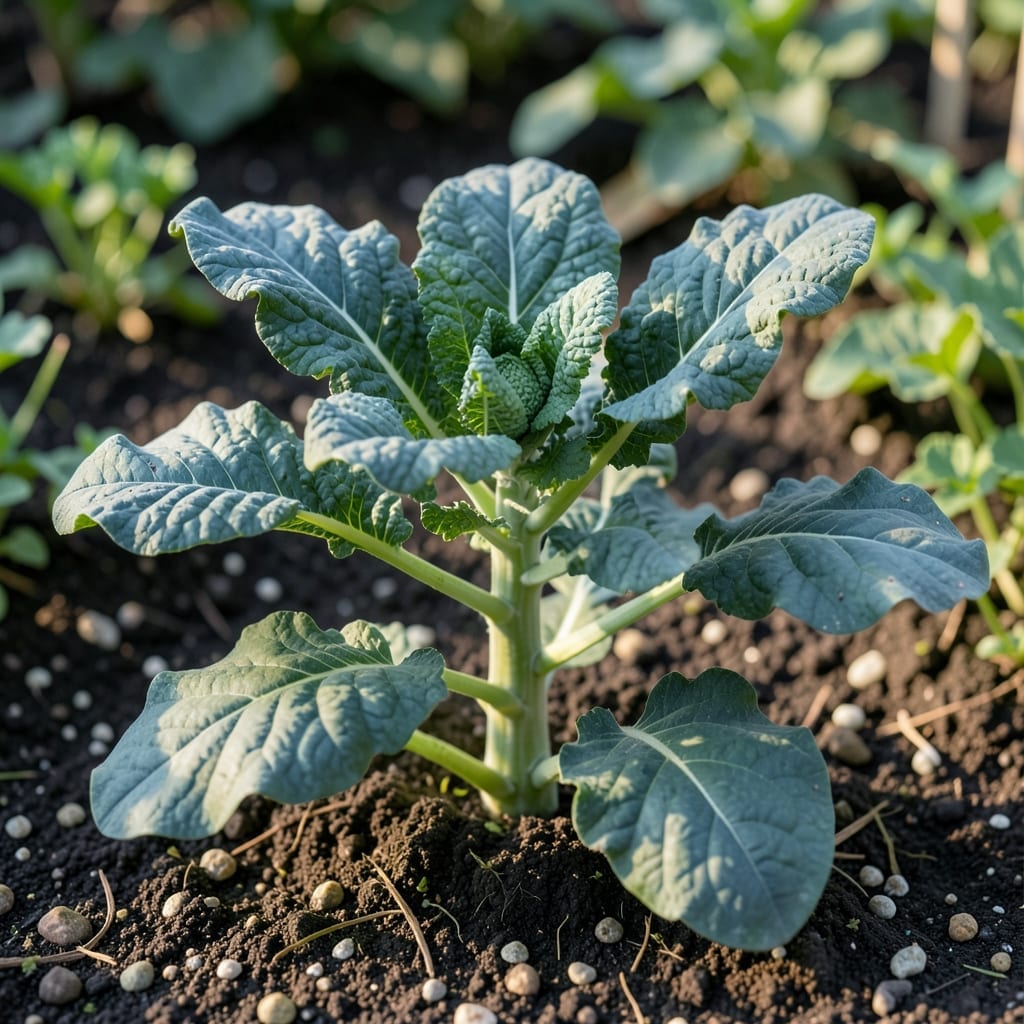
These leafy greens pack serious nutrition into every harvest. I started growing them for their peppery kick and quick growth—ready in as little as 30 days from seed.
They thrive in cool weather with minimal fuss. Plant in well-draining soil, give them 6 hours of sun, and keep the soil moist. You’ll get tender leaves perfect for fresh eating or light cooking.
📚 In This Guide
This method delivers crisp, flavorful greens in just a few weeks with minimal effort.
Choose a location with full sun to partial shade and well-draining soil. Brassica rapa thrives in loose, fertile ground, so I work in a 2-3 inch layer of compost before planting. The soil should feel crumbly and rich—if it clumps tightly when squeezed, it needs more organic matter.
Test drainage by digging a 1-foot hole and filling it with water. If it empties within 1 hour, you’re good to go. If not, amend with sand or additional compost. This step prevents root rot, which wipes out plants quickly.
Plant seeds ¼ to ½ inch deep in rows spaced 12-18 inches apart. I use a stick to create shallow furrows, then drop seeds 1 inch apart for easy thinning later. Cover lightly with soil and press down gently—just enough to ensure contact.
Water immediately with a fine mist to avoid dislodging seeds. Keep the soil consistently moist but not soggy. You’ll see sprouts in 5-10 days if the soil stays between 60-75°F. Cooler temps slow germination, so be patient in early spring.
Once seedlings reach 2-3 inches tall, thin them to 4-6 inches apart. Use scissors to snip unwanted seedlings at soil level—pulling them can disturb the roots of nearby plants. Crowded plants produce weak, leggy greens.
I always leave the strongest seedlings in each cluster. Look for thick stems and vibrant green leaves. The thinned seedlings are edible—toss them in salads for a peppery kick. This step feels harsh but ensures robust, full-sized leaves later.
Water deeply 1-2 times per week, depending on rainfall. The goal is 1 inch of water weekly, including precipitation. Stick your finger 1 inch into the soil—if it feels dry, it’s time to water. Drip irrigation works best to keep leaves dry and prevent disease.
Feed plants with a balanced fertilizer every 3-4 weeks or side-dress with compost. Yellowing lower leaves often signal a nitrogen deficiency. A quick top-up with compost tea usually fixes it within days.
Begin harvesting outer leaves when they reach 4-6 inches long, usually 30-40 days after sowing. Use clean scissors to cut leaves 1 inch above the base, allowing the center to keep growing. Never remove more than one-third of the plant at a time.
Regular harvesting encourages bushier growth. I pick leaves in the morning when they’re most crisp and flavorful. If you notice flower buds forming, harvest the entire plant—once it bolts, the leaves turn bitter. Store fresh greens in the fridge for up to 5 days.
These insights will help you maximize your harvest and avoid common pitfalls.
Soil Temperature Insight: The 45-75°F soil temperature range for germination is non-negotiable. If you’re starting outdoors, use a soil thermometer to verify conditions. Night temperatures above 40°F ensure seedlings won’t be shocked by cold, which can stunt their growth permanently.
Planting Depth Matters: Those ¼ inch deep furrows in Step 2 are shallow for a reason—brassica rapa seeds need light to germinate. Planting too deep means they may not sprout at all. I learned this after burying seeds an inch down and wondering why nothing came up after 10 days.
Thinning Technique: When thinning seedlings to 4-6 inches apart in Step 3, use scissors rather than pulling. This prevents root disturbance to the plants you’re keeping. Trust me, yanking seedlings can uproot neighbors you want to keep.
Harvest Strategy: Start harvesting outer leaves when plants hit 6-8 inches tall, but always leave at least 1 inch above the soil. This allows the plant to regrow for multiple harvests. Staggering plantings every 2 weeks gives you a continuous supply rather than one big harvest.
Yes! Young Brassica rapa leaves (like bok choy or tatsoi) are tender and mild, perfect for salads. Older leaves may taste bitter or tough—light cooking softens them. Always wash thoroughly to remove dirt or pests.
Yellowing often signals nutrient deficiency (nitrogen or iron), overwatering, or poor drainage. Check soil moisture and fertility. Pests like aphids or diseases (e.g., downy mildew) can also cause discoloration—inspect leaves closely.
Most varieties mature in 40–60 days for baby leaves or 60–90 days for full-sized plants. Fast-growing types like tatsoi can be harvested in as little as 30 days for young greens.
Try spinach, kale, or Swiss chard for similar texture and nutrients. For Asian dishes, napa cabbage or mizuna make great substitutes. Each offers a unique flavor but works in salads, stir-fries, or soups.