
Beautiful Plants For Your Interior
Beautiful Plants For Your Interior
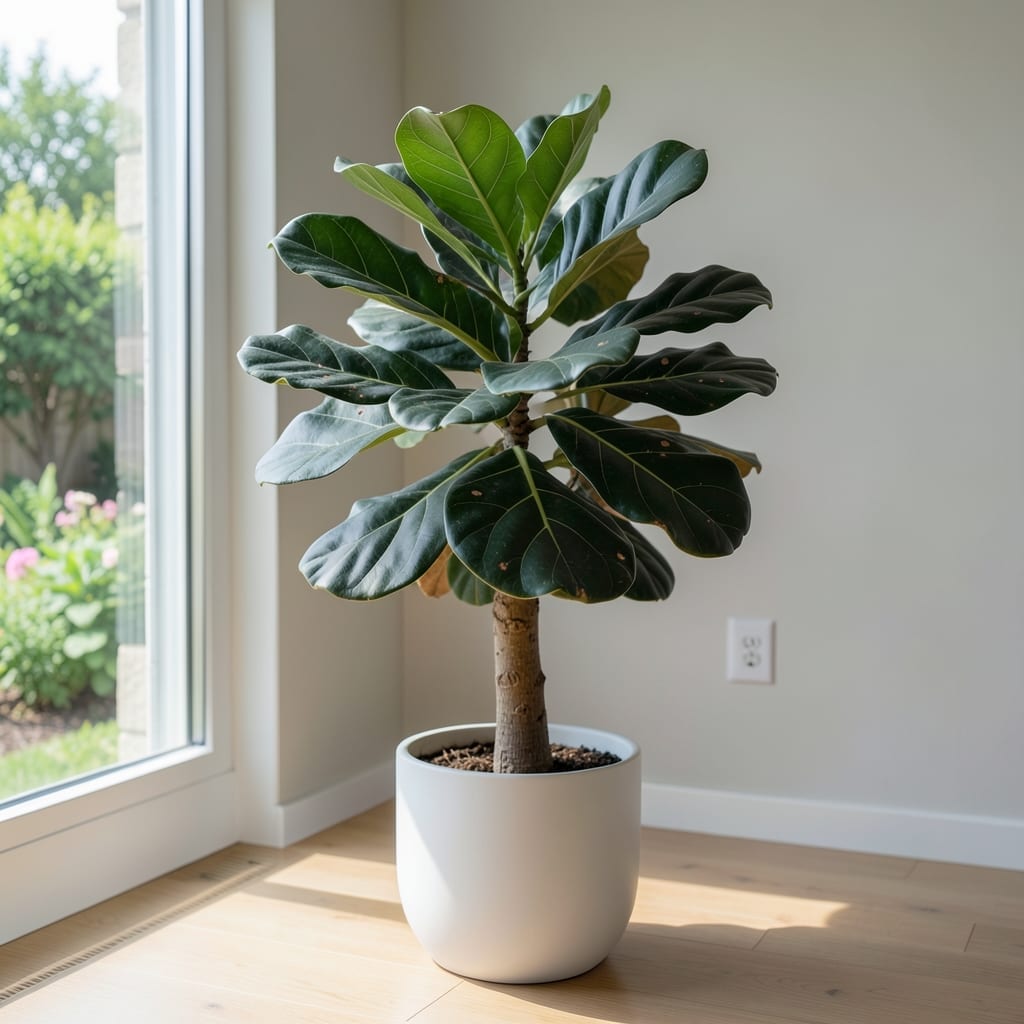
Brown spots on your Ficus Audrey aren’t just unsightly—they’re a cry for help. I’ve seen this happen to mine after a week of overwatering, and the fix was simpler than I expected.
The usual suspects? Too much water, not enough light, or a sneaky pest making itself at home. Each cause has a distinct pattern, so you can diagnose the problem just by looking closely at your plant.
Most solutions take less than 30 minutes and use things you already have at home. Adjust your watering schedule, move it to better light, or wipe down the leaves with a damp cloth.
Best part? Once you treat the issue, new growth comes in clean and healthy. Your Ficus will bounce back faster than you’d think.
Brown spots on your Ficus Audrey are often a sign of stress or environmental imbalance. Below are the most common causes, explained with actionable insights to help you diagnose and address the issue.
Excess moisture is a leading cause of brown spots, as it encourages root rot and fungal infections. Ficus Audrey prefers well-draining soil, and soggy conditions deprive roots of oxygen. If the soil stays wet for days, or if the pot lacks drainage holes, the roots suffocate, leading to leaf discoloration. Check the soil—if it’s waterlogged or smells foul, it’s time to adjust your watering routine.
This tropical plant thrives in 40-60% humidity. Dry air (common in heated or air-conditioned homes) causes leaf edges to brown and crisp. Conversely, direct, harsh sunlight can scorch leaves, creating bleached or brown patches. Audrey ficus prefers bright, indirect light. If spots appear dry and papery, suspect sunburn; if edges are crispy, low humidity is likely the culprit.
Pathogens like Alternaria or Bacterium leaf spot thrive in damp, poorly ventilated conditions. These infections often start as small, dark brown spots with yellow halos, spreading rapidly if untreated. Overhead watering (wetting the leaves) exacerbates the issue. Improve airflow, avoid wetting foliage, and remove infected leaves to prevent spread.
Ficus Audrey is sensitive to sudden temperature changes. Exposure to cold drafts (below 60°F/15°C) or heat sources (radiators, vents) can cause brown spots. Even a brief chill can trigger leaf damage. Keep your plant in a stable environment, away from windows, doors, or HVAC vents.
Brown spots may signal nutrient imbalances. A lack of magnesium or calcium often causes interveinal browning, while excess fertilizer salts can burn roots, leading to leaf tip burn. Use a balanced, diluted fertilizer during the growing season and flush the soil every few months to remove salt buildup.
Tackling brown spots on your Ficus Audrey starts with identifying the root cause. Below are practical fixes mapped to common issues, plus tips to keep your plant thriving long-term.
If soggy soil is the culprit, let the top 1-2 inches dry out before watering again. Repot the plant if root rot is present, trimming affected roots and using fresh, well-draining soil. Prevention tip: 💡 Use a pot with drainage holes and a moisture meter to avoid guesswork.
Move your Ficus Audrey to a brighter spot with indirect sunlight (e.g., near an east-facing window). Rotate the pot weekly for even light distribution. Prevention tip: 🌡️ Avoid harsh direct sun, which can scorch leaves—use a sheer curtain if needed.
Mist the leaves regularly or place a pebble tray with water beneath the pot. For a hands-off approach, use a humidifier nearby. Prevention tip: ✨ Group plants together to create a microclimate with higher humidity.
Wipe leaves with a soapy water solution (1 tsp mild soap per liter of water) to remove spider mites or mealybugs. For stubborn pests, apply neem oil weekly until gone. Prevention tip: 🎯 Inspect new plants before bringing them home to avoid contamination.
Use a balanced liquid fertilizer (e.g., 10-10-10) diluted to half strength every 4-6 weeks during growing season. Yellowing leaves may signal a magnesium deficiency—add Epsom salt (1 tsp per gallon of water) monthly. Prevention tip: 🌿 Flush the soil with water every 2-3 months to prevent salt buildup.
Consistency is key! Monitor your plant’s response after applying these fixes, and adjust care as needed.
Water when the top 1-2 inches of soil are dry. Typically, this means watering every 7-10 days, but adjust based on humidity and light conditions. Always use a pot with drainage holes.
Yes, if caused by fungal infections or pests. Isolate the plant and remove affected leaves immediately. Improve airflow and avoid wetting foliage to prevent further spread.
This tropical plant thrives in 40-60% humidity. Use a humidifier or pebble tray if your home is dry. Grouping plants together also helps maintain moisture levels.
Yes, prune damaged leaves with clean scissors to redirect energy to healthy growth. Sterilize tools with rubbing alcohol to prevent disease transmission.