
Beautiful Plants For Your Interior
Beautiful Plants For Your Interior
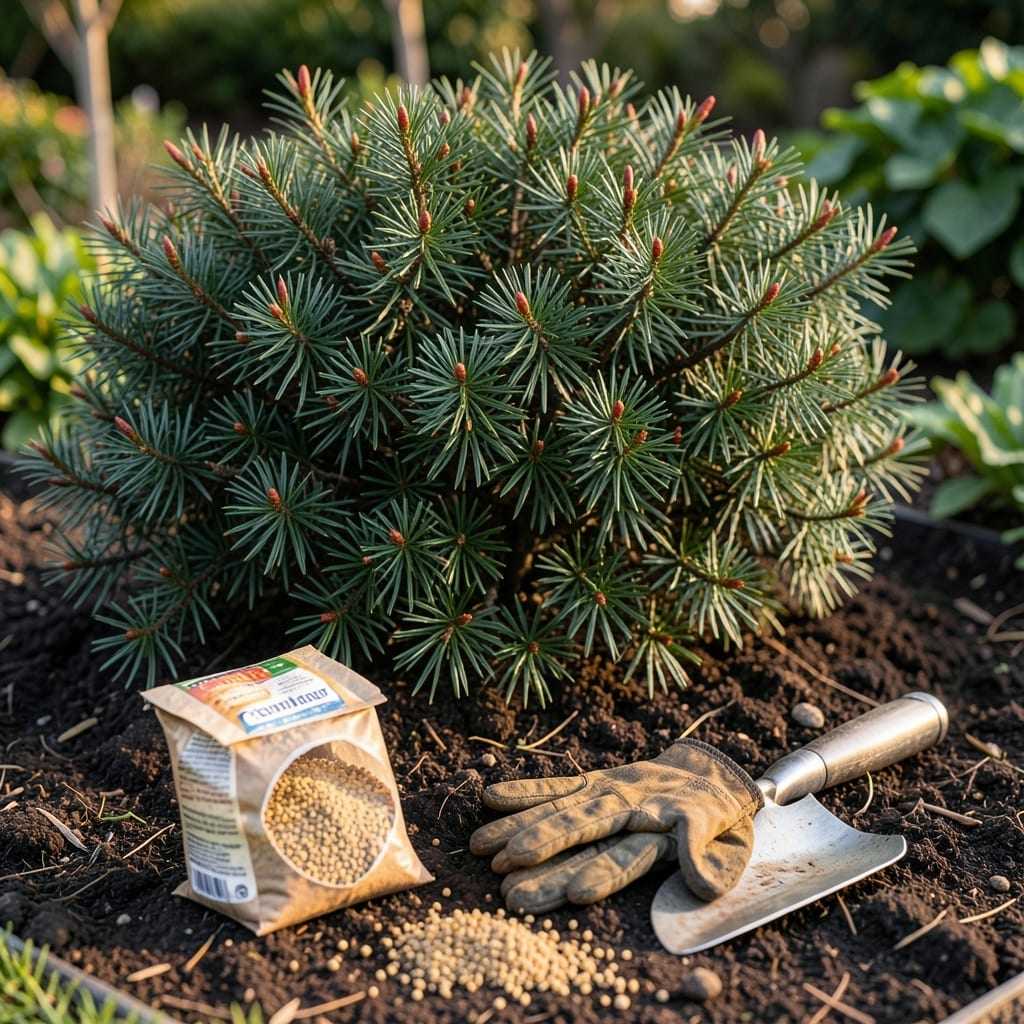
I’ve seen too many gardeners struggle to keep their Yews thriving. The 🌳 truth is, these evergreens need specific nutrition to stay lush and healthy.
Choosing the wrong fertilizer can actually do more harm than good. Yews are acid-loving plants that require careful feeding to reach their full potential.
In this guide, I’ll walk you through the best fertilization strategies. You’ll discover exactly what your Yews need and when they need it most.
From soil preparation to seasonal timing, we’ll cover everything to help your Yews flourish. Let’s get started on the path to vibrant, thriving evergreens.
Yews are acid-loving evergreens that need the right nutrient balance to stay vibrant. The wrong fertilizer can harm their roots or stunt growth. I always start by testing soil pH to ensure it’s between 5.0 and 6.5 for best results.
For these shrubs, a balanced slow-release fertilizer works wonders. Look for formulations with an NPK ratio of 10-10-10 or similar. This provides nitrogen for foliage, phosphorus for roots, and potassium for resilience.
| cell” style=”background-color:#6fd544;color:#ffffff;text-align:center”>Best For | row”> | cell”>Long-term feeding | row”> | cell”>Quick nutrient boost | row”> | cell”>Soil health improvement | row”> | cell”>Deep root feeding | 14-7-7 |
I prefer slow-release granular fertilizers because they feed yews gradually over months. This prevents nutrient burn and keeps foliage dense and deep green. Apply in early spring and again in early fall for best results.
Liquid fertilizers are great for a quick green-up if your yews look pale. I use them monthly during growth season, but always dilute to half strength to avoid root damage. They’re ideal for container-grown yews that need frequent feeding.
For an organic approach, I mix compost or well-rotted manure into the soil. This improves soil structure and provides micronutrients yews love. Just ensure it’s fully decomposed to prevent nitrogen robbery from fresh materials.
Fertilizer spikes are another option, especially for established yews. They deliver nutrients directly to the root zone, reducing waste. I place them 12-18 inches apart around the drip line for even distribution.
Remember, yews are sensitive to alkaline soils. If your soil pH is too high, use an acidifying fertilizer like those made for azaleas or rhododendrons. This helps maintain the ideal acidic environment they crave.
Always water deeply after fertilizing to help nutrients penetrate the soil. I recommend 1 inch of water per week, either from rainfall or irrigation. This ensures the fertilizer reaches the root system where it’s needed most.
Finally, avoid high-nitrogen fertilizers late in the season. They can promote tender new growth that’s vulnerable to winter damage. Stick to a balanced formula in fall to prepare yews for dormancy.
By matching the fertilizer type to your yews’ needs and the season, you’ll keep them thriving year-round with minimal effort. 🌳
Timing your yew fertilization is key to vibrant growth. I recommend feeding in early spring and early fall when the plant is actively growing but not stressed by heat.
For best results, apply a slow-release fertilizer every 6-8 weeks during the growing season. This prevents nutrient burnout and supports steady development.
Seasonal Fertilizing Guide for Yews
I always use granular fertilizers for established yews, scattering them around the drip line and watering in thoroughly. This method ensures even distribution.
For newly planted yews, wait 4-6 weeks before fertilizing. This gives roots time to settle and reduces transplant shock.
Liquid fertilizers work well for quick nutrient boosts, especially for container-grown yews. I apply these every 2-3 weeks during active growth periods.
Always check the soil pH before fertilizing – yews prefer slightly acidic conditions between 6.0-6.5 🌳