
Beautiful Plants For Your Interior
Beautiful Plants For Your Interior
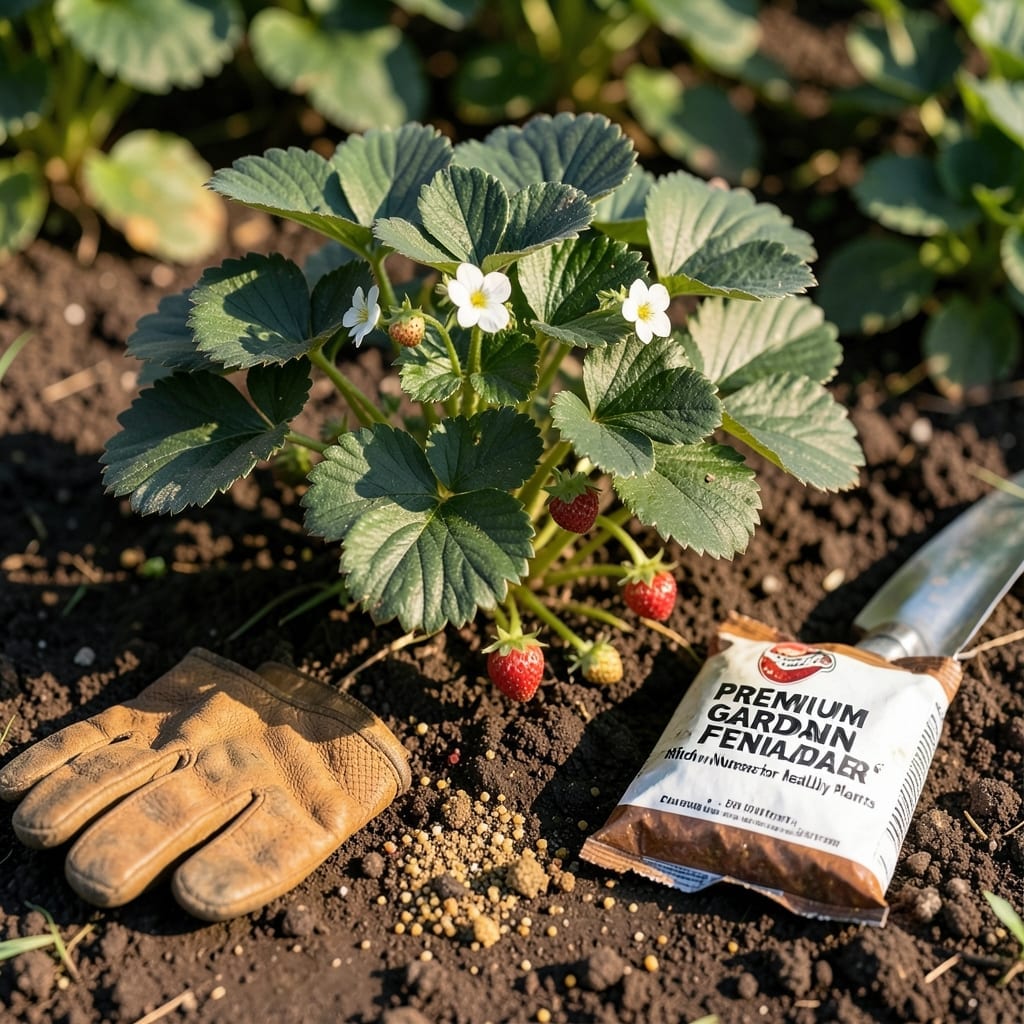
There’s nothing quite like biting into a juicy, homegrown 🍓 Strawberry, bursting with sweetness. But to get that perfect flavor, your plants need the right nutrition from the start.
I’ve learned that feeding Strawberry plants properly makes all the difference between a mediocre harvest and an abundant one. The key lies in understanding what these plants crave at each growth stage.
Whether you’re new to gardening or have been growing for years, this guide will show you exactly how to nourish your Strawberry plants. No more guessing about fertilizers or feeding schedules.
Discover the simple secrets to healthier plants and sweeter berries that will have your neighbors asking for your recipe. Let’s get started.
Feeding strawberries the right nutrients at each growth stage ensures vibrant plants and a sweet harvest. Early growth demands nitrogen-rich feeds, while fruiting needs potassium boosts.
For overwintering, a balanced fertilizer helps plants store energy. Organic options like compost tea or fish emulsion work wonders for eco-conscious gardeners.
| Growth Stage | Feed Type | NPK Ratio | Application Method |
|---|---|---|---|
| Early Growth | Fish Emulsion | 5-1-1 | Dilute, water at base |
| Fruiting | Bone Meal | 3-15-0 | Mix into soil |
| Overwintering | Compost | 1-1-1 | Top-dress soil |
| All Stages | 10-10-10 | Balanced | Granular, work in |
I always start my strawberry season with a nitrogen-heavy feed to promote leafy growth. This sets the foundation for strong plants that can support heavy fruit production later.
When I see flower buds forming, I switch to a potassium-rich fertilizer. This helps the berries develop fully and enhances their sweetness significantly.
For my organic garden, I rely on compost tea every 2-3 weeks. It’s a gentle feed that won’t burn plants and improves soil health over time.
Synthetic fertilizers offer quick results, but I use them sparingly. They can leach nutrients from the soil if overused, which isn’t ideal for long-term garden health.
In fall, I apply a balanced fertilizer to help my strawberries store energy for winter. This ensures they bounce back strongly in spring with vigorous new growth.
Remember, less is more with strawberry feed. Over-fertilizing can lead to leafy growth at the expense of fruit production, which defeats the purpose entirely.
I’ve found that morning applications work best. This gives plants time to absorb nutrients before the heat of the day, reducing the risk of fertilizer burn. ☀️
Lastly, always water thoroughly after feeding. This helps distribute nutrients evenly and prevents root damage from concentrated fertilizer. 💧
Choosing between natural feeds and commercial fertilizers for strawberries depends on your gardening goals. I’ve found that natural options like compost tea or well-rotted manure improve soil health long-term.
On the other hand, synthetic fertilizers offer quick nutrient boosts and precise NPK ratios. Both have their place, but it’s important to weigh their impact on your plants and the environment.
I prefer starting with organic feeds in early growth stages. They build a strong foundation for strawberry plants without the risk of chemical burn. Compost tea is my go-to for a gentle nutrient kick.
During the fruiting stage, I switch to a balanced synthetic fertilizer to ensure my plants get the exact NPK ratio they need. This combo gives me the best of both worlds: healthy soil and high yields.
One thing I’ve learned is to always test soil pH before feeding. Strawberries thrive in slightly acidic soil (pH 5.5–6.5), and adjusting this first maximizes nutrient uptake.
Finally, remember that consistency is key. Whether you choose natural or commercial, stick to a regular feeding schedule for the best results. I feed mine every 4–6 weeks during the growing season.
🌱