
Beautiful Plants For Your Interior
Beautiful Plants For Your Interior
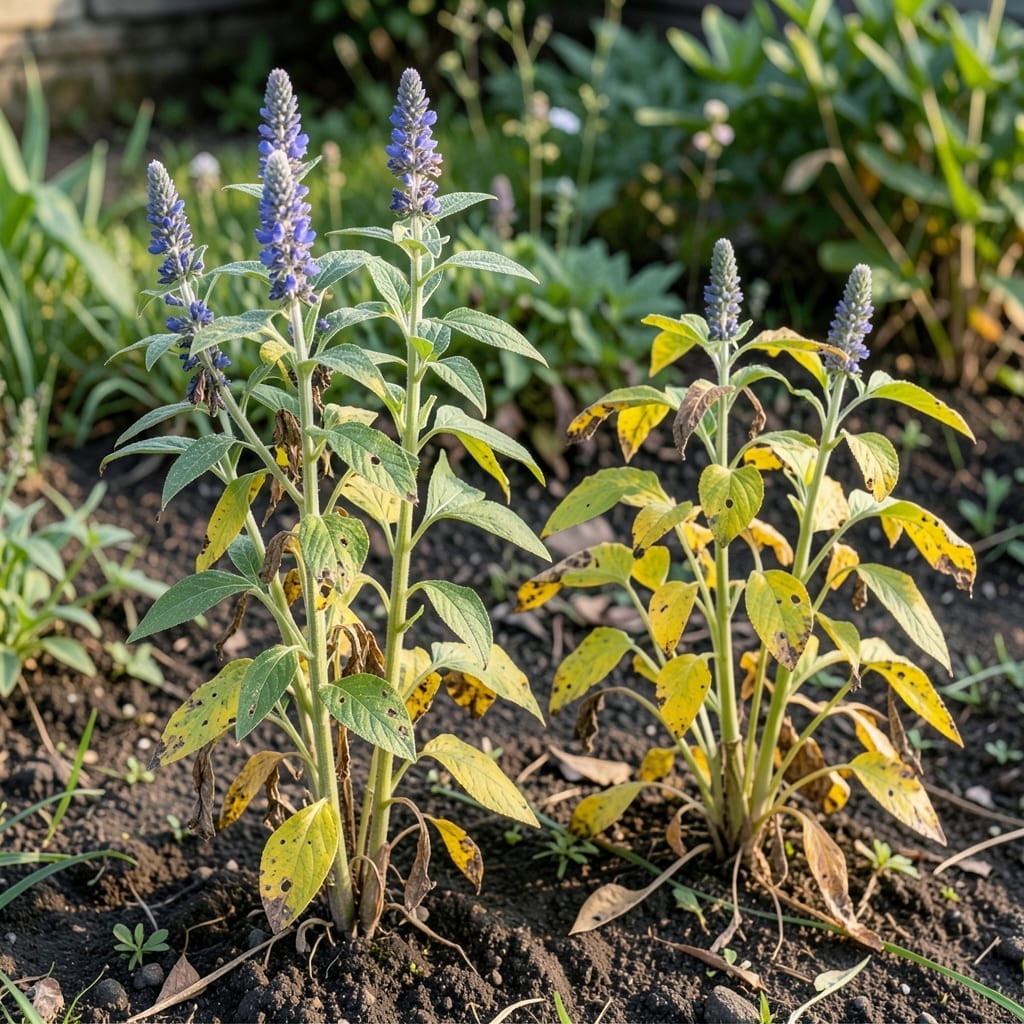
Your false indigo looked perfect last week, now it’s throwing yellow leaves and barely growing. I’ve been there—watching a plant decline despite your best efforts is frustrating.
Here’s the thing—yellowing leaves and stunted growth usually signal one of three issues: water stress, poor soil, or pest pressure. Most often, it’s overwatering or compacted roots choking the plant.
Once you pinpoint the cause, recovery is straightforward. I saved my baptisia last season with 2 simple adjustments to watering and soil drainage.
No advanced tools needed, just observation and targeted fixes. Let’s get your plant back on track.
False indigo (Baptisia) is generally hardy, but several factors can trigger problems like yellowing leaves or stunted growth. Below are the most common causes, explained with actionable insights.
False indigo thrives in well-draining, slightly acidic to neutral soil (pH 6.0–7.0). Compacted or waterlogged soil suffocates roots, leading to nutrient uptake issues and yellowing foliage. A soil test can confirm deficiencies in nitrogen, iron, or magnesium—key culprits behind chlorosis (yellowing between leaf veins).
Fix: Amend heavy clay with compost or sand, and avoid overwatering. For iron deficiency, apply chelated iron or sulfur to lower pH.
Inconsistent moisture levels stress the plant. Overwatering causes root rot, while drought leads to wilting and stunted growth. False indigo is drought-tolerant once established but needs 1–1.5 inches of water weekly during its first growing season.
Fix: Water deeply but infrequently, allowing the top 2–3 inches of soil to dry between waterings. Mulch with organic matter to retain moisture.
While pest-resistant, false indigo can fall prey to aphids, spider mites, or whiteflies, which sap nutrients and cause yellowing. Fungal diseases like powdery mildew or root rot (from Phytophthora) also stunt growth, especially in humid, poorly ventilated areas.
Fix: Spray infestations with neem oil or insecticidal soap. Improve airflow and avoid overhead watering to prevent fungal issues.
False indigo prefers full sun to partial shade. Too much shade leads to leggy, weak growth, while intense heat without adequate water can scorch leaves. Sudden temperature swings or late frosts may also damage new growth.
Fix: Plant in a location with at least 6 hours of sunlight daily. Use shade cloth in extreme heat and protect young plants from frost.
Dealing with false indigo troubles? Here’s how to tackle the most common problems and restore your plant’s health with simple, actionable fixes.
If your plant’s leaves are turning yellow, it’s often a sign of overwatering or poor drainage. Start by checking the soil—if it feels soggy, hold off on watering and ensure the pot or garden bed has drainage holes. For container plants, repot into a well-draining mix with perlite or sand. In garden beds, amend heavy clay soil with compost to improve aeration.
Prevention tip: 💡 Water only when the top inch of soil is dry, and use a moisture meter to avoid guesswork.
Slow or stunted growth usually points to insufficient light or nutrient deficiencies. False indigo thrives in full sun to partial shade, so move potted plants to a sunnier spot or thin out nearby foliage for garden plants. If light isn’t the issue, feed with a balanced, slow-release fertilizer (10-10-10) in spring. Avoid over-fertilizing, as this can harm roots.
Prevention tip: 🌡️ Test your soil’s pH—false indigo prefers slightly acidic to neutral (6.0–7.0). Adjust with lime or sulfur if needed.
Spotted aphids, spider mites, or whiteflies? Start with a strong blast of water to dislodge pests, then apply insecticidal soap or neem oil, focusing on the undersides of leaves. Repeat every 5–7 days until the infestation clears. For severe cases, introduce beneficial insects like ladybugs.
Prevention tip: ✨ Keep your garden clean—remove debris and weeds where pests breed. Companion planting with marigolds can also deter pests naturally.
Wilting can mean both underwatering and overwatering. Dig a finger into the soil—if it’s bone-dry, water deeply. If it’s waterlogged, let it dry out and check for root rot (black, mushy roots). Trim affected roots and repot in fresh soil if necessary.
Prevention tip: 🎯 Mulch around the base to retain moisture but avoid piling it against the stem, which can trap excess moisture.
Yellowing often signals overwatering or poor drainage. Check soil moisture—if soggy, hold off on watering and ensure proper drainage.
Provide at least 6 hours of sunlight daily and use balanced fertilizer in spring. Test soil pH, aiming for 6.0–7.0 for optimal growth.
Blast pests off with water, then apply neem oil or insecticidal soap every 5–7 days. Companion planting with marigolds helps deter them long-term.