
Beautiful Plants For Your Interior
Beautiful Plants For Your Interior
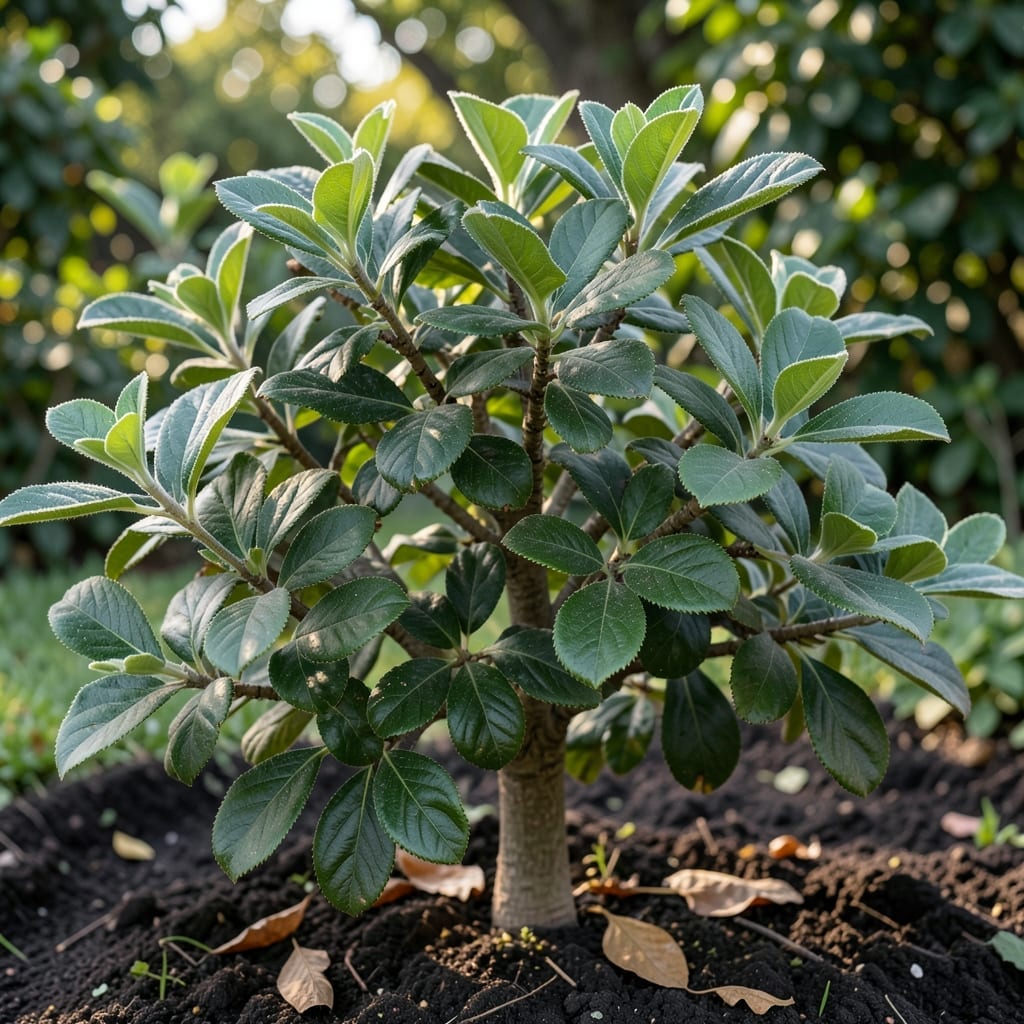
Those glossy, evergreen leaves tell you everything about your loquat’s health. I’ve learned that yellowing edges or brown spots aren’t just cosmetic—they’re your tree’s way of asking for better care.
With the right balance of well-draining soil and consistent watering, the foliage stays deep green and vibrant year-round. Even in mild winters, this tree rewards attention with lush growth and those signature tropical leaves.
📚 In This Guide
Here’s the method I rely on to keep loquat foliage vibrant and disease-free year-round.
Place your loquat tree where it receives full sun to partial shade, ensuring at least 6-8 hours of direct sunlight daily. Eriobotrya japonica leaves thrive with morning sun and afternoon shade in hotter climates to prevent leaf scorch.
Watch for signs of light stress: pale yellow leaves indicate too much sun, while sparse, leggy growth suggests insufficient light. Adjust positioning before new growth becomes permanently damaged.
In containers, rotate the pot quarter-turn weekly to ensure even leaf development. This prevents lopsided growth and promotes uniform foliage density.
Water deeply when the top 2-3 inches of soil feel dry, then allow excess to drain completely. Loquat trees prefer consistent moisture but will suffer root rot if kept soggy. I check soil moisture by inserting my finger—dryness at that depth means it’s time.
Avoid wetting the foliage during watering, as damp leaves invite fungal issues like leaf spot. Direct water at the base using a drip system or soaker hose for best results.
During active growth in spring and summer, you may need to water 2-3 times weekly. Reduce to once every 10-14 days in winter dormancy when growth slows.
Apply a balanced 10-10-10 fertilizer every 6-8 weeks during the growing season (March through September). Eriobotrya japonica leaves respond particularly well to nitrogen for deep green color, but avoid over-fertilizing which causes leaf burn.
I use half the recommended strength to prevent salt buildup in the soil, which manifests as brown leaf edges. Always water thoroughly after fertilizing to distribute nutrients evenly through the root zone.
Yellowing leaves between veins often indicate iron deficiency. In this case, apply chelated iron according to package instructions, and test your soil pH—loquats prefer slightly acidic conditions between 6.0-6.5.
Remove dead, diseased, or crossing branches in late winter before new growth emerges. This improves air circulation, reducing humidity around leaves that can lead to fungal problems. Use clean, sharp pruners and make cuts at a 45-degree angle just above a leaf node.
Thin out about 20% of the oldest branches annually to encourage vigorous new growth with larger, healthier leaves. I focus on opening the center of the tree to sunlight penetration, which strengthens foliage throughout the canopy.
Avoid heavy pruning during active growth periods, as this can stress the tree and cause excessive leaf drop. Light shaping can be done after harvest, but save major structural pruning for dormancy.
These practical insights will help you maintain vibrant loquat foliage with confidence.
Light Exposure Nuance: For Step 1, that 6-8 hours of direct sunlight is non-negotiable for healthy leaves, but in scorching climates, afternoon shade prevents leaf scorch. Confession: I learned this the hard way after crisping several leaves in full Texas sun. Morning sun is gentler and more beneficial for Eriobotrya japonica.
Watering Precision: In Step 2, checking the top 2-3 inches of soil with your finger is more reliable than any moisture meter. Real talk: Overwatering is the #1 killer of loquat trees. If the soil feels damp at that depth, wait another day. The 2-3 times weekly guideline assumes well-draining soil—adjust if yours retains water longer.
Pruning Technique: During Step 4, that 45-degree angle cut isn’t just for aesthetics—it prevents water pooling on the wound, which invites disease. Between us, I used to make straight cuts until I noticed more fungal issues. Also, thinning 20% of the oldest branches annually sounds drastic, but it rejuvenates the tree beautifully.
Fertilizer Strategy: For Step 3, using half-strength 10-10-10 fertilizer every 6-8 weeks prevents salt buildup that manifests as those ugly brown leaf edges. Don’t make my mistake: skipping the post-fertilizer watering step concentrates nutrients unevenly in the root zone.
Yes! Dried loquat leaves are often used to make herbal tea, known for soothing sore throats and aiding digestion. Steep 1-2 leaves in hot water for 5-10 minutes. Avoid excessive consumption if you’re pregnant or on medication.
Harvest leaves in spring or early summer when they’re mature but still tender. Avoid picking young or damaged leaves, as they may lack potency. Morning is ideal for the highest concentration of beneficial compounds.
Common issues include fungal spots (like Alternaria), powdery mildew, and bacterial blight. Yellowing or curling leaves may signal pest infestations or nutrient deficiencies. Regular inspection helps catch problems early.
Yes! Try neem oil, copper sprays, or baking soda solutions for fungal issues. Prune infected leaves, improve airflow, and avoid overhead watering. Organic options like compost tea can also boost plant immunity.
Brown, crispy leaves often indicate underwatering, excessive heat, or salt buildup in the soil. Check soil moisture and adjust watering. If the issue persists, test soil pH or inspect for root damage.