
Beautiful Plants For Your Interior
Beautiful Plants For Your Interior
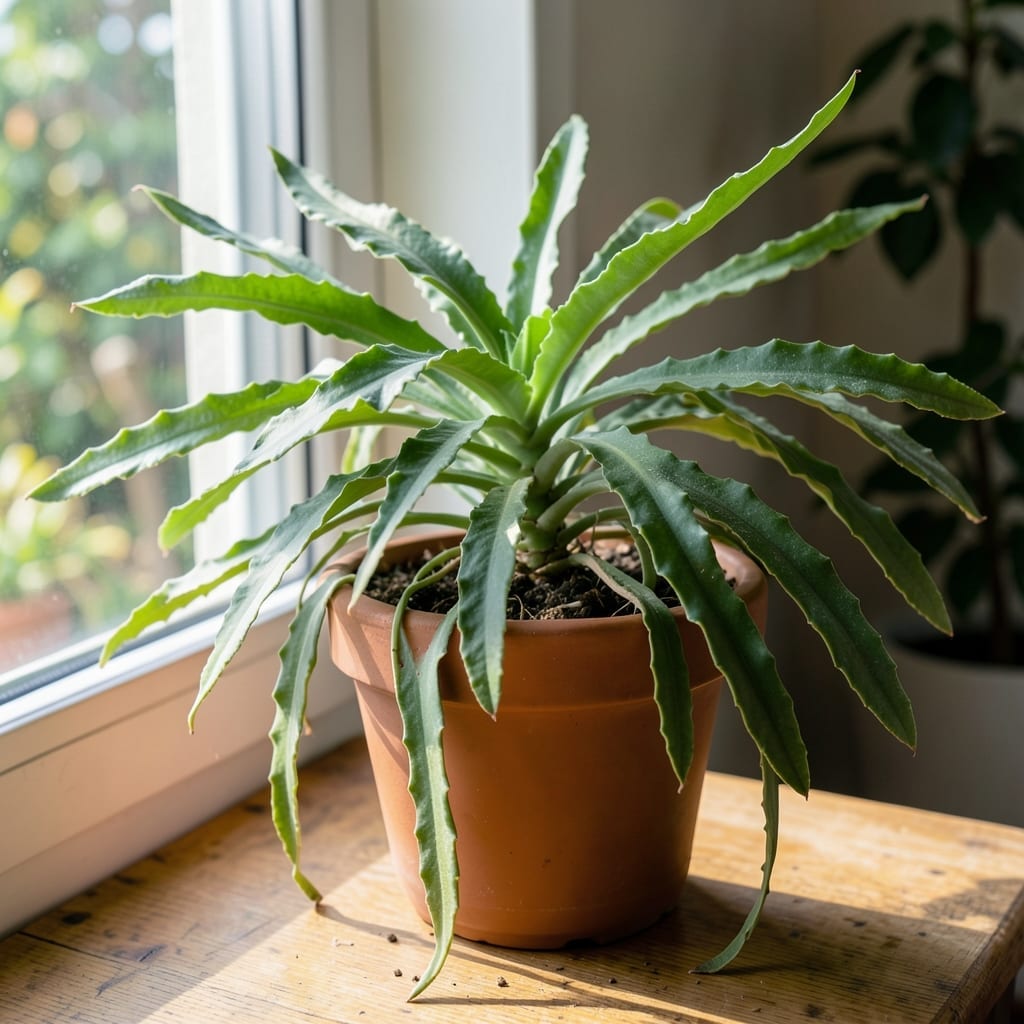
Flat, leaf-like pads that look nothing like typical cacti. This plant fools everyone with its spineless, deep green foliage that grows in cascading clumps.
I’ve watched mine push out new pads all year, but the real magic happens at night when those fragrant white blooms appear. Simple care keeps it thriving.
📚 In This Guide
Here’s the method I’ve refined over years of growing this stunning night-bloomer successfully.
Begin with a well-draining mix specifically formulated for epiphytic cacti. I combine 50% cactus mix with 30% perlite and 20% orchid bark to create the ideal texture. This blend mimics the airy, organic conditions these plants prefer in their native habitats, preventing the root rot that plagues standard potting soil.
The mix should feel chunky and loose—when you squeeze a handful, it should barely hold shape before falling apart. This texture ensures oxygen reaches the roots while allowing excess moisture to drain quickly, which is critical for Epiphyllum oxypetalum’s health.
Place your plant where it receives bright, indirect light for 6-8 hours daily. An east-facing window works beautifully, providing gentle morning sun without the harsh afternoon rays that can scorch the delicate leaves. I’ve found that north-facing windows often don’t provide sufficient intensity, leading to weak, etiolated growth.
Watch for subtle signs your plant needs adjustment. If the leaves develop a slight reddish tint, you might be giving it too much direct light. Conversely, if the stems stretch unnaturally with wide spacing between growth segments, it’s begging for more illumination. The ideal exposure produces rich green, slightly flattened stems.
Water only when the top 1-2 inches of mix feels completely dry, then soak thoroughly until water runs from the drainage holes. For my mature specimens, this typically means watering every 10-14 days in summer and reducing to 3-4 weeks in winter when growth slows.
The key is consistency in your checking method—always test the soil with your finger at the same depth. I use a simple wooden skewer to check moisture at the pot’s center where the mix dries last. Remember that the flat, leaf-like stems store water, so it’s better to underwater slightly than overwater. Yellowing or wrinkling of the stems signals it’s time to adjust your schedule.
Keep your plant in temperatures between 60-80°F during active growth. I maintain my collection at 65-75°F for optimal performance. These cacti appreciate a 10-15°F drop at night, which actually encourages better blooming—this temperature fluctuation mimics their natural environment.
While Epiphyllum oxypetalum tolerates average household humidity, it thrives with 40-50% humidity. I place mine on a tray filled with pebbles and water to create a localized humid microclimate. Avoid misting the stems directly, as standing water can lead to rot or fungal issues on the leaf surfaces.
Feed with a balanced, water-soluble fertilizer diluted to half strength every 4-6 weeks during the growing season (spring through early fall). I use a 10-10-10 formula with added micronutrients, which provides the essential elements without risking salt buildup in the sensitive root zone.
Switch to a bloom-boosting formula with higher phosphorus (like 5-10-5) in early summer to encourage flower production. Always water the plant thoroughly before fertilizing to prevent root burn. You’ll notice the difference in growth vigor within 2-3 weeks of consistent feeding—stems will appear fuller and more substantial.
Mastering the care of this plant comes down to understanding its epiphytic nature and natural growing conditions.
Growing Medium Insight: The 50% cactus mix, 30% perlite, and 20% orchid bark ratio in Step 1 isn’t arbitrary—this precise blend replicates the airy, organic matter these plants cling to in the wild. I learned the hard way that standard potting soil holds too much moisture around the roots, which is the fastest way to lose your plant to rot.
Lighting Precision: For Step 2, that 6-8 hours of bright, indirect light is non-negotiable for healthy growth. An east-facing window is ideal, but if you only have south or west exposure, use a sheer curtain to diffuse the harsh afternoon light. The reddish tint on leaves is your plant’s SOS signal for too much direct sun.
Watering Discipline: In Step 3, the top 1-2 inches dry rule before watering is crucial because the flat stems store water. I use a wooden skewer to check moisture at the pot’s center—when it comes out completely dry, it’s time to water. During summer’s 10-14 day cycle, I set phone reminders to check, as it’s easy to forget with these longer intervals.
Temperature Strategy: The 10-15°F nighttime temperature drop mentioned in Step 4 isn’t just beneficial—it’s a bloom trigger. I achieve this by moving my plants to a cooler room at night or opening a window. This mimics their natural habitat where temperatures fluctuate between day and night.
Yellowing leaves often indicate overwatering or poor drainage. Ensure the soil dries out between waterings and use a well-draining mix to prevent root rot.
Water every 2-3 weeks, allowing the soil to dry completely. Adjust based on climate—less in winter, more in summer. Always check soil moisture first!
Yes! Cut a healthy leaf segment, let it dry for a day, then plant in moist, well-draining soil. Keep it in indirect light until roots form.
Lack of blooms may mean insufficient light or improper care. Provide bright, indirect light and a cool winter rest period to encourage flowering.
Watch for mealybugs, scale, or spider mites. Wipe leaves with soapy water or use neem oil for treatment. Isolate affected plants to prevent spread.