
Beautiful Plants For Your Interior
Beautiful Plants For Your Interior
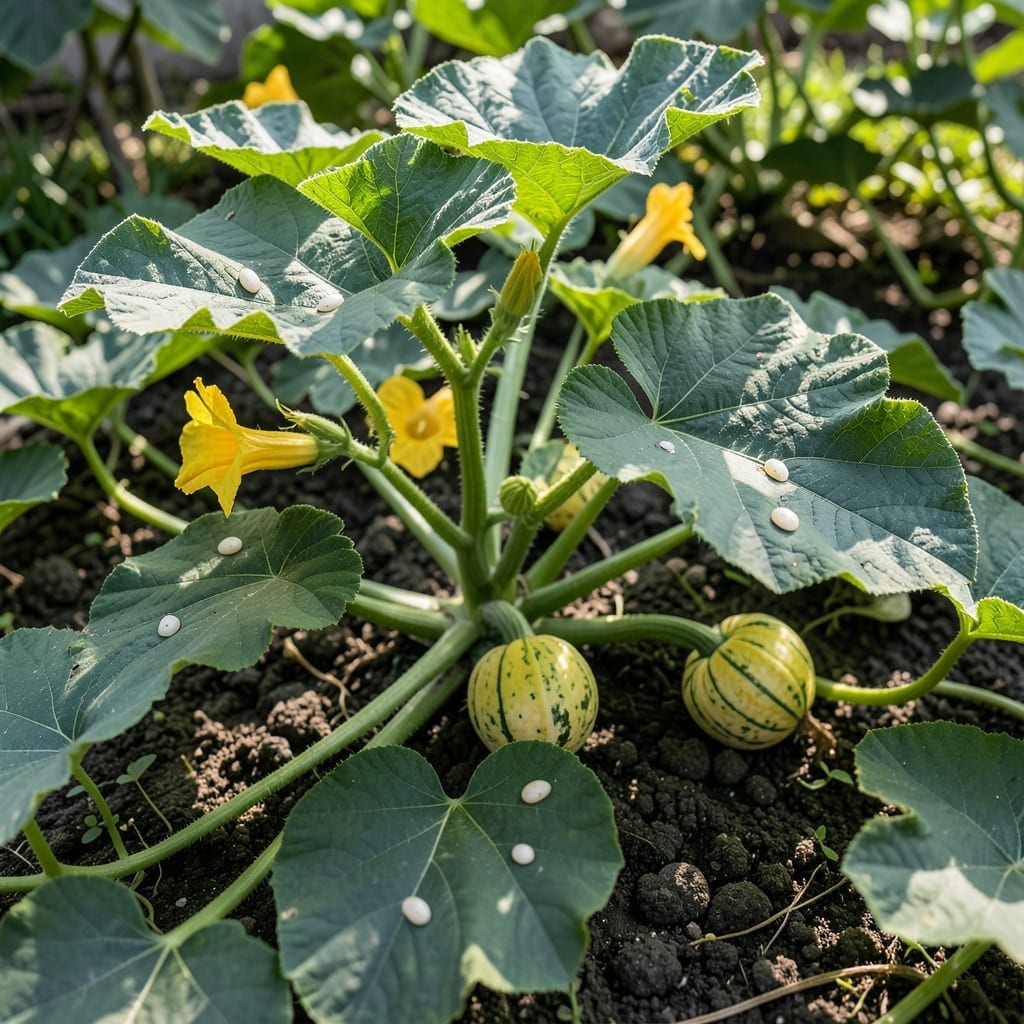
Those tiny bronze dots on your squash leaves aren’t decorations. I found my first clutch last June—30 eggs on a single leaf—and learned the hard way they belong to squash bugs.
Left unchecked, these pests multiply fast and drain plant sap, leaving wilted vines and stunted fruit. The damage looks like drought stress, but it’s actually these insects feasting on your crop.
You can remove eggs by hand or use organic sprays, but prevention works better. Row covers early in the season keep adults from laying eggs in the first place.
This traditional garden battle has simple solutions. Spot the eggs early, act quickly, and your squash plants will thank you with a bountiful harvest.
Understanding why eggs end up on squash leaves in this dish comes down to tradition and flavor. Here’s the breakdown:
The practice stems from Mesoamerican cuisine, where squash leaves (or hojas de calabaza) were a staple. Indigenous communities used them to wrap foods like corn and beans, and later, Spanish-influenced dishes incorporated eggs for protein. The leaves add an earthy, slightly bitter note that balances the richness of the eggs.
Squash leaves contain chlorophyll and mild bitterness, which cut through the fat of eggs, creating a harmonious bite. The leaves’ delicate texture also softens when cooked, making them a perfect edible vessel for scrambled or fried eggs.
In rural Mexico, squash plants are abundant, so using their leaves was a zero-waste solution. The leaves’ natural stickiness helps eggs cling, while their broad surface makes them ideal for holding fillings. This method keeps the dish moist and infused with garden-fresh aroma.
If you’ve spotted eggs on your squash leaves, don’t panic—here’s how to tackle the most common causes and keep your plants thriving.
Squash bugs and vine borers often lay eggs on the undersides of leaves. Pick off eggs by hand (drop them in soapy water) or use a soft cloth to wipe them away. For severe cases, apply neem oil or insecticidal soap at dawn or dusk. Prevention tip: 💡 Lay reflective mulch to deter pests or plant companion herbs like basil or nasturtiums.
Moisture trapped on leaves can encourage fungal eggs or spores. Prune dense foliage to boost airflow, and water at the base of the plant—not the leaves. If spots appear, treat with a baking soda spray (1 tsp baking soda + 1 quart water + a drop of dish soap). Prevention tip: ✨ Space plants 2–3 feet apart and avoid overhead watering.
Excess nitrogen can lead to soft growth that attracts egg-laying pests. Switch to a balanced fertilizer (10-10-10) and reduce frequency. If leaves look burnt, flush the soil with water. Prevention tip: 🎯 Test soil before fertilizing—squash thrives in moderately rich soil, not overloaded beds.
Weeds can harbor pests and eggs. Pull weeds by hand (especially near the base) and keep the garden bed clean. Prevention tip: 🌡️ Mulch with straw to suppress weeds and retain moisture without trapping pests.
Regular inspections (especially under leaves) and quick action will keep your squash healthy and egg-free!
They appear as tiny bronze or copper oval dots, often clustered in groups of 20-40 on the undersides of leaves. Newly laid eggs are lighter and darken as they mature.
Inspect leaves daily during growing season, especially the undersides where pests prefer to lay eggs. Early morning or late evening are ideal times to spot them.
No. While squash leaves are edible in cooking, pest eggs should never be consumed. Remove them immediately to prevent hatching and plant damage.
A mild dish soap solution (1 tsp per quart of water) can help remove eggs when sprayed directly. Rinse leaves afterward to avoid residue.