
Beautiful Plants For Your Interior
Beautiful Plants For Your Interior
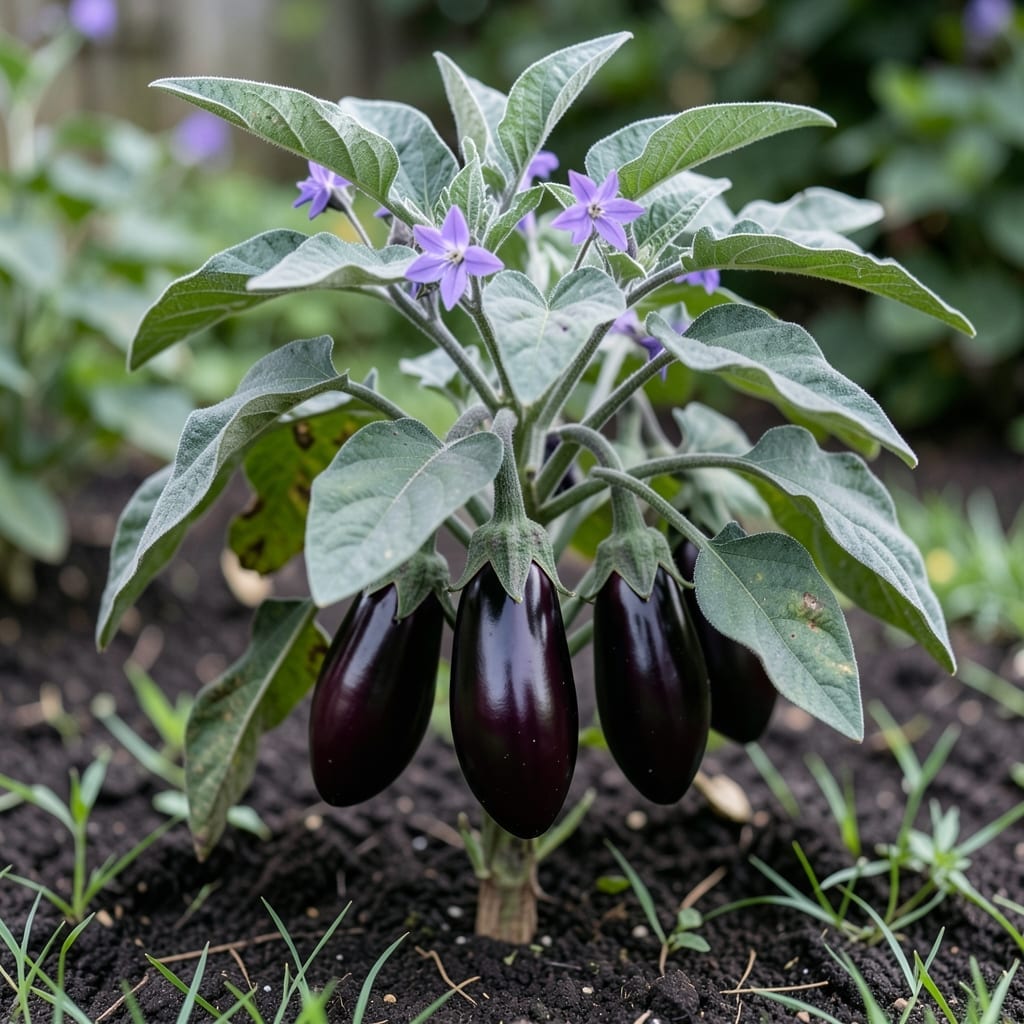
Nothing sinks a gardener’s heart faster than finding your eggplant’s leaves suddenly hanging like wet laundry. I’ve been there—one day they’re perky and thriving, the next they’re drooping like they’ve given up on life.
The good news? Most causes are fixable if you act fast. Underwatering, overwatering, or even a sneaky pest could be the culprit. The key is figuring out which one before permanent damage sets in.
With the right diagnosis and a few simple adjustments, you can often see improvement within 24-48 hours. Your eggplant can bounce back stronger, ready to produce those glossy, deep-purple fruits you’ve been dreaming about.
Let’s get to the bottom of this and get your plant standing tall again.
Eggplant leaves droop for several reasons, often tied to environmental stress or care mistakes. Understanding the root cause is key to reviving your plant. Below are the most common triggers.
Eggplants thrive in consistently moist but well-drained soil. Overwatering suffocates roots, reducing oxygen uptake and causing wilting, while underwatering leads to dehydration and limp foliage. Check soil moisture 1–2 inches deep—dryness or sogginess signals the issue.
As warm-season plants, eggplants droop in heatwaves above 90°F (32°C) or cold snaps below 50°F (10°C). Heat stress accelerates transpiration, outpacing water absorption, while cold damages cell structures. Shade cloth or row covers can mitigate these effects.
Sap-sucking pests like aphids, whiteflies, or spider mites drain nutrients, weakening leaves. Look for sticky residue (honeydew) or webbing. Neem oil or insecticidal soap can treat early infestations before drooping worsens.
Pathogens such as Verticillium or Fusarium wilt block water transport in stems, causing sudden drooping. Yellowing leaves or brown vascular streaks confirm infection. Remove affected plants and rotate crops to prevent spread.
A lack of potassium or magnesium disrupts cellular function, leading to weak, drooping leaves. Test soil pH (ideal: 5.5–6.5) and amend with compost or a balanced fertilizer to restore vitality.
Don’t panic if your eggplant leaves are wilting—most causes are fixable with quick action. Below are targeted solutions for common issues, plus prevention tips to keep your plant thriving.
Give your eggplant a deep watering at the base (avoid wetting leaves) until the soil is moist 1–2 inches down. Water in the early morning to reduce evaporation. Prevention: Check soil moisture daily by sticking your finger in the dirt—if the top inch feels dry, it’s time to water. Mulch with straw to retain moisture.
Stop watering immediately and let the soil dry out slightly. If root rot is suspected (foul odor or mushy roots), repot in fresh, well-draining soil. Ensure pots have drainage holes. Prevention: Use a moisture meter or water only when the top 2 inches of soil are dry. Terracotta pots help wick away excess moisture.
For aphids or spider mites, blast them off with a garden hose, then spray leaves with neem oil or insecticidal soap. Repeat every 3–5 days until pests are gone. Prevention: Inspect leaves weekly (especially undersides) and encourage beneficial insects like ladybugs.
Move potted plants to a shadier spot or use shade cloth for in-ground plants during peak afternoon heat. Mist leaves lightly to cool them down. Prevention: Plant eggplants where they get morning sun and afternoon shade in hot climates.
Use a balanced fertilizer (10-10-10) or compost tea to replenish nutrients. Yellowing leaves? Add nitrogen; weak stems? Boost potassium. Prevention: Feed eggplants every 2–3 weeks during growing season with a vegetable-specific fertilizer.
Pro tip: 🎯 Always water at the base—not the leaves—to prevent fungal diseases that can also cause drooping.
Water deeply 2-3 times per week, ensuring soil stays moist but not soggy. Check moisture 1-2 inches deep—if dry, it’s time to water. Morning watering is best to prevent evaporation.
Yes, if the cause is temporary like heat stress or underwatering. After proper watering or shading, leaves often perk up within 12-24 hours. Persistent drooping may indicate a deeper issue.
Blast pests off with water, then apply neem oil or insecticidal soap. Repeat every 3-5 days until gone. Inspect leaf undersides weekly for early detection.
No, drooping can also signal underwatering, pests, or heat stress. Check soil moisture first—if it’s dry, water deeply. If soggy, let it dry out and improve drainage.