
Beautiful Plants For Your Interior
Beautiful Plants For Your Interior
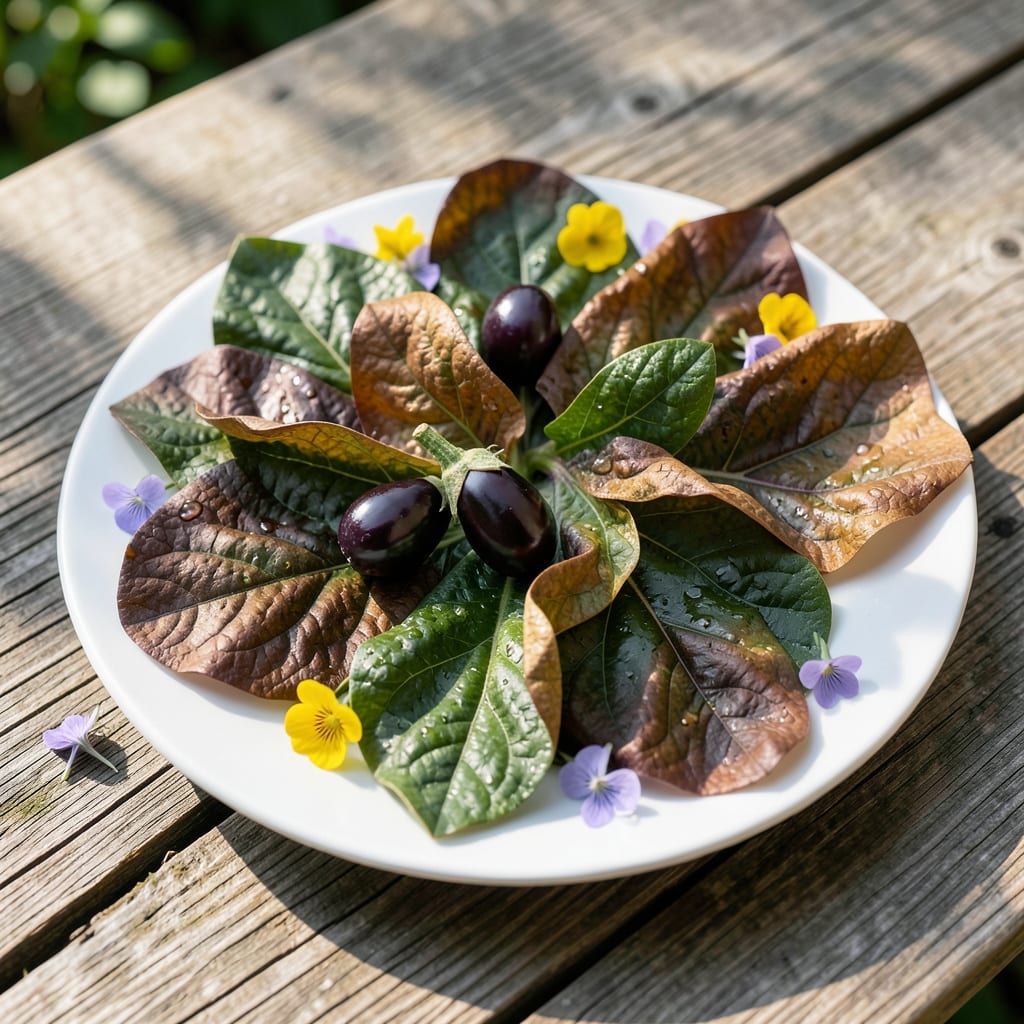
Brown eggplant leaves aren’t a death sentence. I’ve saved plants that looked completely crispy by addressing the root cause within 48 hours.
Most cases come down to four culprits: inconsistent watering, fungal infections, pest damage, or nutrient shortages. The fix is often simpler than you’d think—better drainage, copper fungicide, or a balanced fertilizer usually does the trick.
You’ll see new growth returning to that deep, healthy green within a week of treatment. The key is acting fast before the problem spreads to the fruit.
Works for container plants, garden beds, and even greenhouse eggplants. Here’s how to diagnose and fix it properly.
Brown leaves on eggplant plants are a sign of stress, often tied to environmental, nutritional, or pathological factors. Here’s a breakdown of the most common causes:
Eggplants thrive in warm climates but can suffer from heat scorch or sunburn when temperatures exceed 90°F (32°C). Excessive sunlight, especially in dry conditions, causes leaf tissues to dehydrate and turn brown, starting at the edges. This is the plant’s way of protecting itself by sacrificing less critical foliage.
Both overwatering and underwatering can lead to browning. Overwatering suffocates roots, preventing oxygen uptake and causing root rot, which manifests as yellowing followed by browning. Conversely, drought stress dehydrates leaves, leading to crisp, brown edges. Eggplants prefer consistently moist (not soggy) soil.
A lack of key nutrients like magnesium (interveinal browning) or potassium (edge scorching) often triggers discoloration. Magnesium deficiency appears as brown spots between leaf veins, while potassium deficiency causes marginal browning, often accompanied by curled edges. A soil test can confirm imbalances.
Pathogens like Alternaria or Phomopsis cause brown spots with concentric rings, often starting on older leaves. Bacterial leaf spot (Pseudomonas syringae) creates small, water-soaked brown lesions. These thrive in wet, humid conditions and spread rapidly without intervention.
Actionable tip: Remove affected leaves immediately to prevent spread, and avoid overhead watering to reduce moisture on foliage.
If your eggplant leaves are turning brown, quick action can save your plant. Below are targeted fixes for the most common causes, paired with prevention tips to keep your foliage vibrant.
If leaves are crispy and brown on the edges or tips, excessive sun or heat is likely the culprit. Move potted plants to a spot with afternoon shade or erect a shade cloth (30-50% coverage) over garden beds. Water deeply in the early morning to help plants cope. Prevention tip: 💡 Acclimate seedlings gradually to full sun over 7-10 days to avoid shock.
Brown, wilting leaves often signal water stress. Check soil moisture 1-2 inches deep—if bone dry, water thoroughly. If soggy, hold off and improve drainage by amending soil with compost or perlite. Prevention tip: 🌡️ Use a moisture meter or the finger test (water when the top inch feels dry). Mulch around plants to retain consistent moisture.
Inspect leaves for aphids, spider mites, or whiteflies, which cause stippling or browning. Blast pests off with a strong water spray, or apply neem oil or insecticidal soap every 5-7 days. For severe infestations, remove heavily damaged leaves. Prevention tip: ✨ Encourage beneficial insects like ladybugs by planting companion flowers (e.g., marigolds or calendula).
Brown spots with yellow halos or fuzzy growth indicate disease. Remove infected leaves immediately and dispose of them (do not compost). Apply a copper-based fungicide or a baking soda spray (1 tsp baking soda + 1 quart water + a few drops of dish soap). Prevention tip: 🎯 Space plants 18-24 inches apart for airflow, and avoid overhead watering to keep leaves dry.
Brown or yellowing leaves with green veins may signal a magnesium or potassium deficiency. Apply a balanced fertilizer (10-10-10) or a foliar spray of Epsom salt (1 tbsp per gallon of water) for magnesium. For potassium, use wood ash or a potassium-rich amendment. Prevention tip: 📊 Test soil every 2-3 years and amend as needed before planting.
Check the soil 1-2 inches deep. Bone dry means underwatering; soggy means overwatering. Wilting leaves that feel crispy indicate drought stress.
Move plants to shade immediately and water deeply in the morning. Use a 30-50% shade cloth for garden beds. New growth should recover within 3-5 days.
Remove infected leaves right away to stop spread. Apply copper fungicide or a baking soda spray. Prevent future issues by spacing plants 18-24 inches apart.
For magnesium, use 1 tablespoon Epsom salt per gallon as a foliar spray. For potassium, mix wood ash into soil. Always water plants before applying.
