
Beautiful Plants For Your Interior
Beautiful Plants For Your Interior
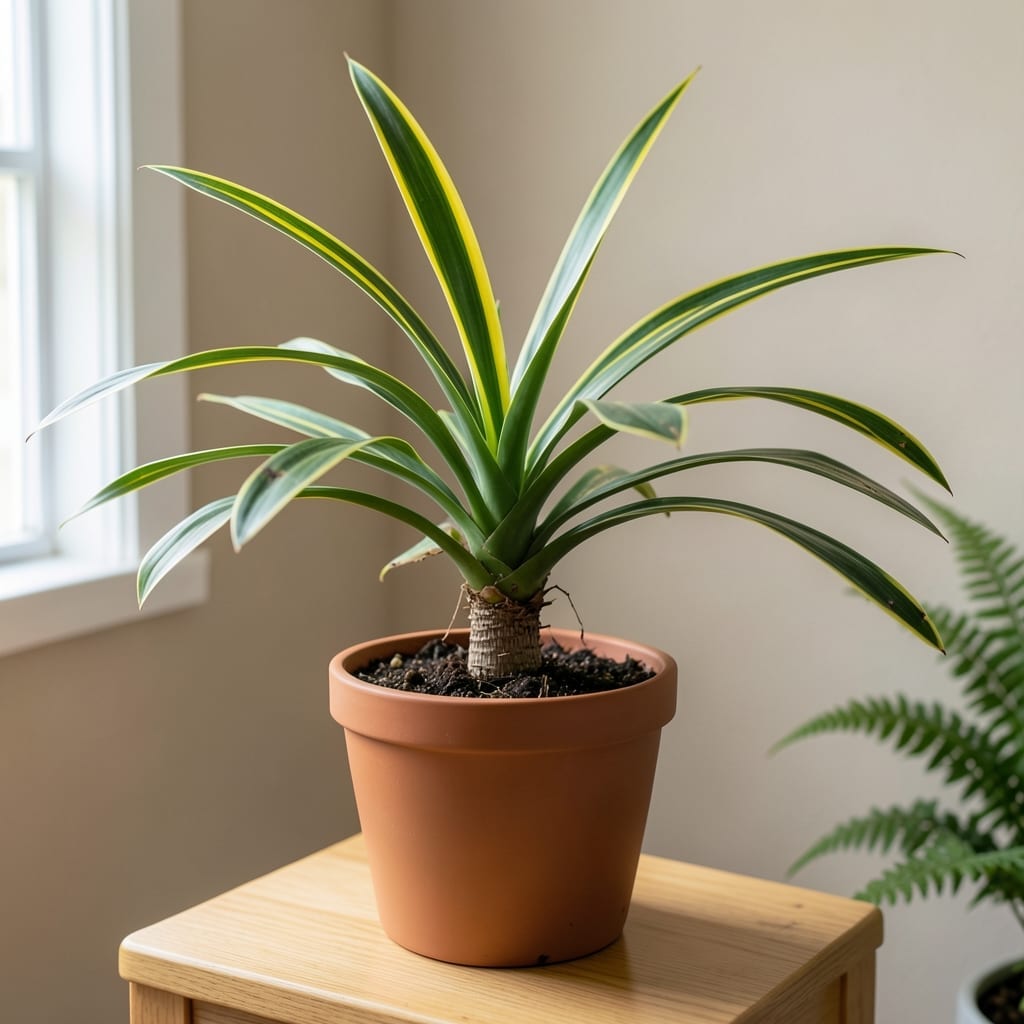
Black leaves on your dracaena aren’t just ugly—they’re a red flag. I’ve nursed dozens back from the brink, and the fix is simpler than you’d think.
Usually, it’s too much water sitting in the roots or a sneaky fungal infection taking hold. The good news? Both problems are 100% reversible if you catch them early.
You’ll start seeing improvement within 7-10 days once you adjust your care routine. New growth will come in healthy, and those black spots won’t spread.
Works for all dracaena varieties, from marginatas to fragrans. Here’s exactly how to diagnose and fix it.
Dracaena leaves turning black is often a sign of underlying stress or disease. Below are the most common causes, each with a clear explanation to help you diagnose the issue.
Fungal pathogens like Fusarium or Phytophthora thrive in overly moist conditions, leading to black, mushy spots on leaves. These fungi attack the plant’s vascular system, disrupting water and nutrient flow. Poor air circulation and wet foliage exacerbate the problem.
Excess water suffocates the roots, preventing oxygen uptake and causing root rot. As roots decay, they fail to supply water and nutrients, leading to blackened, wilted leaves. Dracaenas prefer slightly dry soil between waterings—soggy conditions are a death sentence.
Extreme cold (below 55°F/13°C) or sudden temperature drops can cause cellular damage, manifesting as blackened leaf tips or edges. Dracaenas are tropical plants and thrive in stable, warm environments (65–80°F/18–27°C).
Tap water often contains fluoride or chlorine, which accumulate in the soil over time. Dracaenas are sensitive to these chemicals, leading to black or brown leaf tips—a condition called tip burn. Using filtered or distilled water can prevent this.
Over-fertilizing, especially with high-salt fertilizers, can cause root burn and leaf blackening. Conversely, a deficiency in essential nutrients like magnesium or potassium may also trigger discoloration. Always follow recommended fertilizer doses and flush the soil periodically.
Tackling blackened leaves on your dracaena starts with pinpointing the cause. Below are targeted fixes for the most common issues, paired with prevention tips to keep your plant thriving.
Fix: Let the soil dry out completely between waterings. Repot the plant in fresh, well-draining potting mix (add perlite or sand for aeration). Trim any black, mushy roots with sterilized scissors and ensure the pot has drainage holes.
Prevention: Water only when the top 1-2 inches of soil are dry. Use a pot with drainage and avoid saucers that trap water. 💡 Pro tip: Stick your finger in the soil—if it feels damp, wait a few more days.
Fix: Remove affected leaves with clean shears to prevent spread. Treat with a copper-based fungicide or a diluted hydrogen peroxide solution (1 tsp per cup of water) and spray the plant weekly until the issue resolves.
Prevention: Improve air circulation around the plant and avoid wetting the leaves when watering. Sterilize tools between uses to prevent contamination.
Fix: Move your dracaena away from cold drafts (e.g., AC vents, windows in winter) or heat sources (radiators, ovens). Keep it in a stable environment between 65–80°F (18–27°C).
Prevention: Avoid sudden temperature changes. If moving plants outdoors in summer, acclimate them gradually to prevent shock.
Fix: Mist the leaves regularly or use a humidifier to raise humidity levels (aim for 40–50%). Switch to distilled or rainwater if your tap water is high in fluoride or chlorine.
Prevention: Group plants together to create a microclimate or place the pot on a tray of pebbles and water. Always let tap water sit out for 24 hours before using.
No, once leaves turn black, the damage is permanent. Focus on fixing the underlying issue so new growth comes in healthy. Remove black leaves to redirect energy to healthy foliage.
Water only when the top 1-2 inches of soil are dry. Typically, this means watering every 7-10 days, but always check soil moisture first. Overwatering is the most common cause of black leaves.
Yes, if caught early. Trim all black, mushy roots and repot in fresh, well-draining soil. Reduce watering until the plant recovers, usually within 2-3 weeks.