
Beautiful Plants For Your Interior
Beautiful Plants For Your Interior
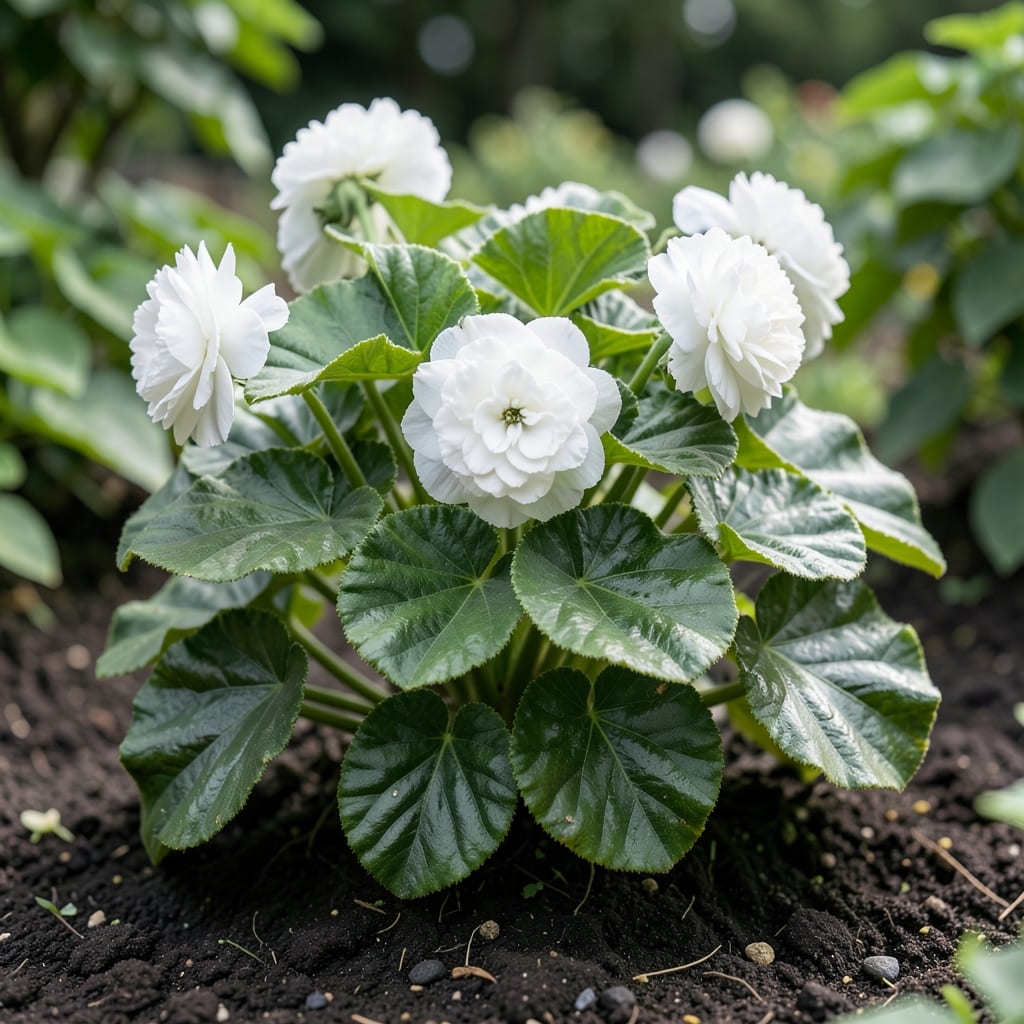
Double white blooms transformed my shady corner into a showstopper. These begonias produce lush, full flowers that look like tiny roses, and they thrive where other plants give up.
They need consistent moisture without soggy soil, morning light over harsh sun, and a little deadheading to keep the display going. Start with well-draining potting mix and you’ll get months of stunning color.
📚 In This Guide
Here’s the method I use to cultivate vibrant, long-lasting blooms every season.
Double white begonias thrive in partial shade with 4-6 hours of morning sun followed by afternoon protection. Too much direct sunlight scorches their delicate petals, while deep shade results in leggy stems and sparse flowering. I always choose a spot with dappled light under trees or along an east-facing wall.
Ensure the location has well-draining soil—begonias rot quickly in waterlogged conditions. Test drainage by digging a 12-inch hole and filling it with water. If it empties within 1 hour, your site is suitable. If not, amend with compost or consider raised beds.
Work the soil to a depth of 12-15 inches, removing rocks and breaking up clumps. Begonias prefer slightly acidic to neutral soil (pH 6.0-7.0). If your soil is heavy clay, mix in 2-3 inches of organic matter like aged compost or peat moss to improve texture and fertility.
I add a 1-inch layer of mulch after planting to retain moisture and suppress weeds. Use fine, organic mulch like shredded bark—large chunks can smother the shallow root system. Avoid plastic sheeting, which traps too much moisture against the stems.
Dig holes 6-8 inches apart—double white begonias need room to spread without competing for nutrients. The holes should be just deep enough to accommodate the root ball, with the top of the root crown sitting ½ inch above soil level. This prevents stem rot while allowing roots to establish.
Gently remove the plant from its container and loosen the roots if they’re circling. Place it in the hole, backfill with soil, and press lightly to remove air pockets. Water immediately with 1 quart per plant to settle the soil. You’ll see new growth within 7-10 days if conditions are right.
Water when the top inch of soil feels dry, typically every 3-4 days in moderate weather. Use a soaker hose or water at the base to keep foliage dry—wet leaves encourage powdery mildew. Begonias wilt dramatically when thirsty but bounce back quickly once hydrated.
Feed every 2-3 weeks with a balanced, water-soluble fertilizer (10-10-10 or 20-20-20) mixed at half strength. Over-fertilizing produces lush leaves at the expense of flowers. I stop feeding in late summer to let the plant harden off before cooler weather.
Remove spent flowers regularly by pinching them off at the base of the stem. This encourages the plant to redirect energy into new blooms rather than seed production. You’ll notice fresh buds forming within 5-7 days of deadheading if the plant is healthy.
If stems become leggy or overgrown, trim them back by one-third to promote bushier growth. Use clean, sharp shears to avoid tearing the stems. Real talk: pruning feels drastic at first, but the plant rebounds with more vigorous, compact growth and heavier flowering.
Here’s what I’ve learned from seasons of growing these stunning bloom producers.
Light Exposure: That 4-6 hours of morning sun in Step 1 is non-negotiable. Afternoon sun will scorch the delicate white petals, while too little light results in weak, sparse flowering. I’ve found east-facing spots with dappled afternoon shade produce the most vibrant, long-lasting blooms.
Soil Preparation: When working the soil to 12-15 inches in Step 2, don’t skip testing your drainage. That 1-hour emptying test for your 12-inch hole saves countless headaches. If water pools, raised beds with amended soil are your best solution.
Planting Depth: The ½ inch above soil level placement in Step 3 prevents stem rot while allowing roots to establish. I’ve lost plants by burying them too deep – the crown needs that slight elevation to stay healthy.
Watering Wisdom: For the 3-4 days watering schedule in Step 4, check that top inch of soil religiously. Begonias wilt dramatically when thirsty but recover quickly, so don’t panic if you see drooping – just water immediately at the base.
Keep it in partial shade, water when the top inch of soil is dry, and maintain humidity. Avoid overhead watering to prevent fungal issues.
Yellow leaves often signal overwatering or poor drainage. Check soil moisture and ensure pots have drainage holes. Adjust watering as needed.
Yes! Place it near a bright, indirect light source (east or north-facing windows work well). Use a well-draining potting mix and mist regularly for humidity.
Plant after the last frost in spring when temperatures stay above 50°F (10°C). This ensures warm soil and reduces transplant shock.
Watch for aphids, mealybugs, and spider mites. Treat with neem oil or insecticidal soap, and isolate affected plants to prevent spreading.