
Beautiful Plants For Your Interior
Beautiful Plants For Your Interior
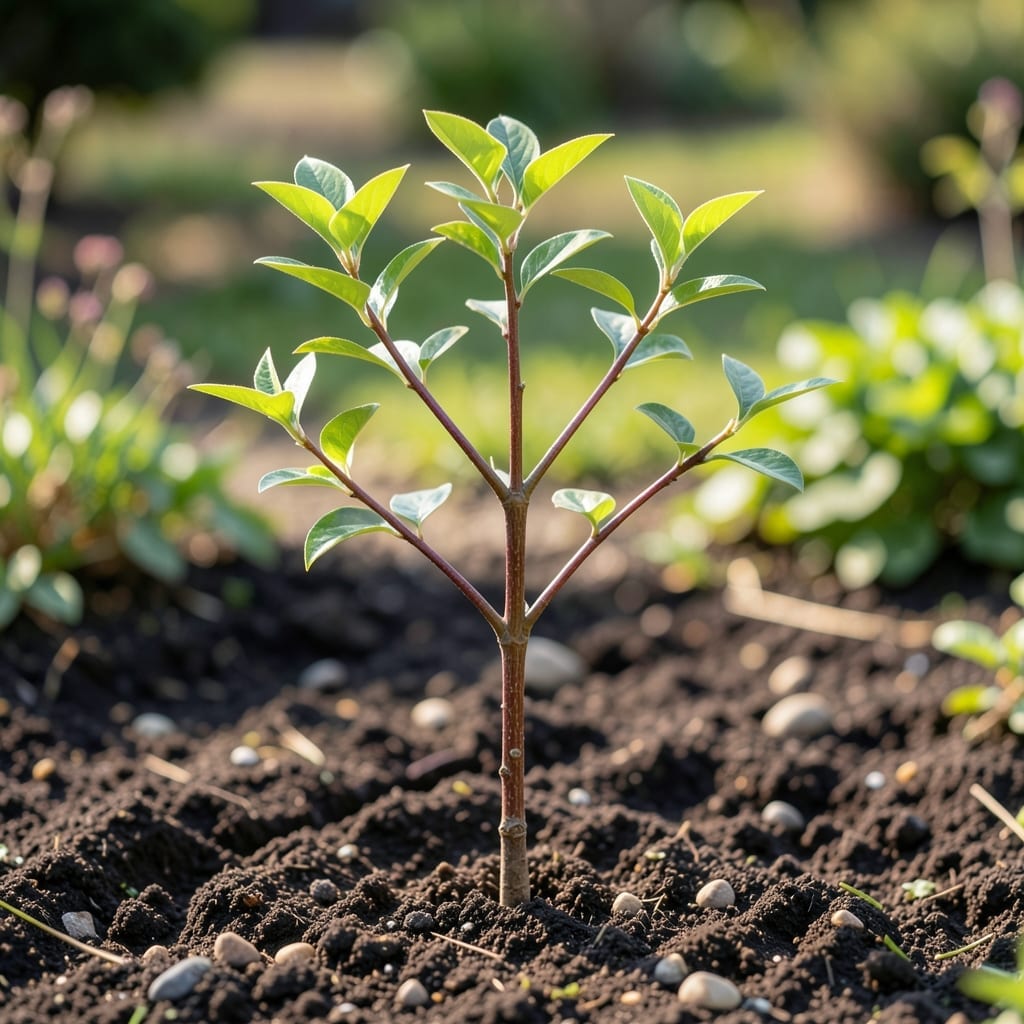
Those first delicate leaves on your dogwood sapling hold the key to its future. I learned the hard way that yellowing or spotted leaves in spring often signal trouble before it spreads to the whole tree.
Healthy sapling leaves should be vibrant green and firm, not wilted or discolored. Watch for early signs like brown edges or white powdery coating—these are your first clues to adjust water, light, or soil conditions.
📚 In This Guide
Here’s my go-to method for ensuring your young trees thrive with vibrant, healthy foliage.
Choose a spot with partial shade to full sun, as dogwoods prefer morning light and afternoon protection. Dig a hole twice as wide as the root ball but no deeper—planting too deep suffocates the trunk. I always loosen the roots gently if they’re circling the container, which prevents girdling as they grow.
Backfill with native soil (no amendments needed) and tamp lightly to remove air pockets. Water deeply after planting to settle the soil, then add a 2-3 inch layer of mulch around the base, keeping it 3 inches away from the trunk to prevent rot. You’ll see new leaves emerge within 2-3 weeks if conditions are right.
Water your sapling 2-3 times per week for the first 6-8 weeks, ensuring the soil stays evenly moist but not soggy. Stick your finger 1-2 inches into the soil—if it feels dry, it’s time to water. I use a slow trickle from the hose to avoid washing away soil or creating puddles.
After the first two months, reduce to once a week unless you’re in a dry spell. Dogwoods hate both drought and waterlogged roots, so watch for wilting leaves (too dry) or yellowing leaves (too wet). A sapling with perky, deep green leaves is getting the right amount.
If leaves start scorching (brown, crispy edges), your sapling is getting too much direct afternoon sun. Move it to a spot with dappled shade or use a shade cloth during peak hours. I’ve found that eastern or northern exposures often work best for young dogwoods.
On the flip side, if leaves look pale or stems stretch thin, it needs more light. Gradually introduce more sun over 1-2 weeks to avoid shocking the plant. Healthy leaves should be bright green with no discoloration, and new growth should feel firm, not flimsy.
Resist the urge to prune in the first year—young dogwoods need all their leaves to produce energy. If you must remove a branch (due to damage or crossing rubs), do it in late winter before new growth starts. Use clean, sharp pruners and cut at a 45-degree angle just above a bud.
Never remove more than 20% of the foliage at once. If leaves look chewed or ragged from pests, address the issue directly (like spraying with water for aphids) rather than pruning. I check my saplings weekly for signs of stress—early intervention prevents long-term damage.
Skip fertilizer entirely in the first growing season—freshly planted saplings are sensitive to burns. In the second year, apply a balanced, slow-release fertilizer (10-10-10) in early spring, just as leaves begin to unfurl. Scatter it evenly over the root zone, then water thoroughly.
A light feeding is all you need; over-fertilizing leads to excessive leafy growth at the expense of strong roots. You’ll know it’s working when leaves appear lush and uniform in size and color. If growth seems stunted, check for nutrient deficiencies (like yellowing between leaf veins) before adding more fertilizer.
Small adjustments in care make a big difference in leaf health and vibrancy.
Light Positioning: The 4-6 hours of morning sun is non-negotiable for dogwoods. I learned this the hard way after losing a sapling that was getting full afternoon sun. East-facing positions or dappled shade under taller trees work best to prevent leaf scorch.
Watering Technique: When watering those 2-3 times weekly, use the finger test—push 1-2 inches into the soil. If it’s dry, water deeply at the base. Overhead watering leads to fungal issues, and I’ve seen leaves develop unsightly spots when water sits on them too long.
Mulching Wisdom: That 2-3 inch mulch layer is your best defense against moisture stress. Keep it 3 inches from the trunk though—I made the mistake of piling mulch against the base once and ended up with rot. Refresh it annually as it breaks down.
Fertilizer Approach: Stick with the 1 pound per inch of trunk diameter ratio for 10-10-10 fertilizer. More isn’t better—I’ve seen over-fertilized dogwoods with weak growth that attracts pests. Early spring application as new leaves emerge gives the best results.
Brown leaves often indicate stress from underwatering, overwatering, or fungal diseases like anthracnose. Check soil moisture and ensure proper drainage. Fungal issues may require treatment with a copper-based fungicide.
Dogwood leaves typically change color in the fall, usually between late September and November, depending on your climate. Cooler temperatures and shorter days trigger the vibrant red, purple, or orange hues.
Water your sapling deeply 1-2 times per week for the first year, ensuring the soil stays moist but not soggy. Adjust based on rainfall and soil drainage. Mulching helps retain moisture.
Yellow leaves may recover if the cause is treatable, like nutrient deficiency or improper watering. Test soil pH (dogwoods prefer 6.0-7.0) and adjust care. If pests or disease are the issue, act quickly with appropriate treatments.