
Beautiful Plants For Your Interior
Beautiful Plants For Your Interior
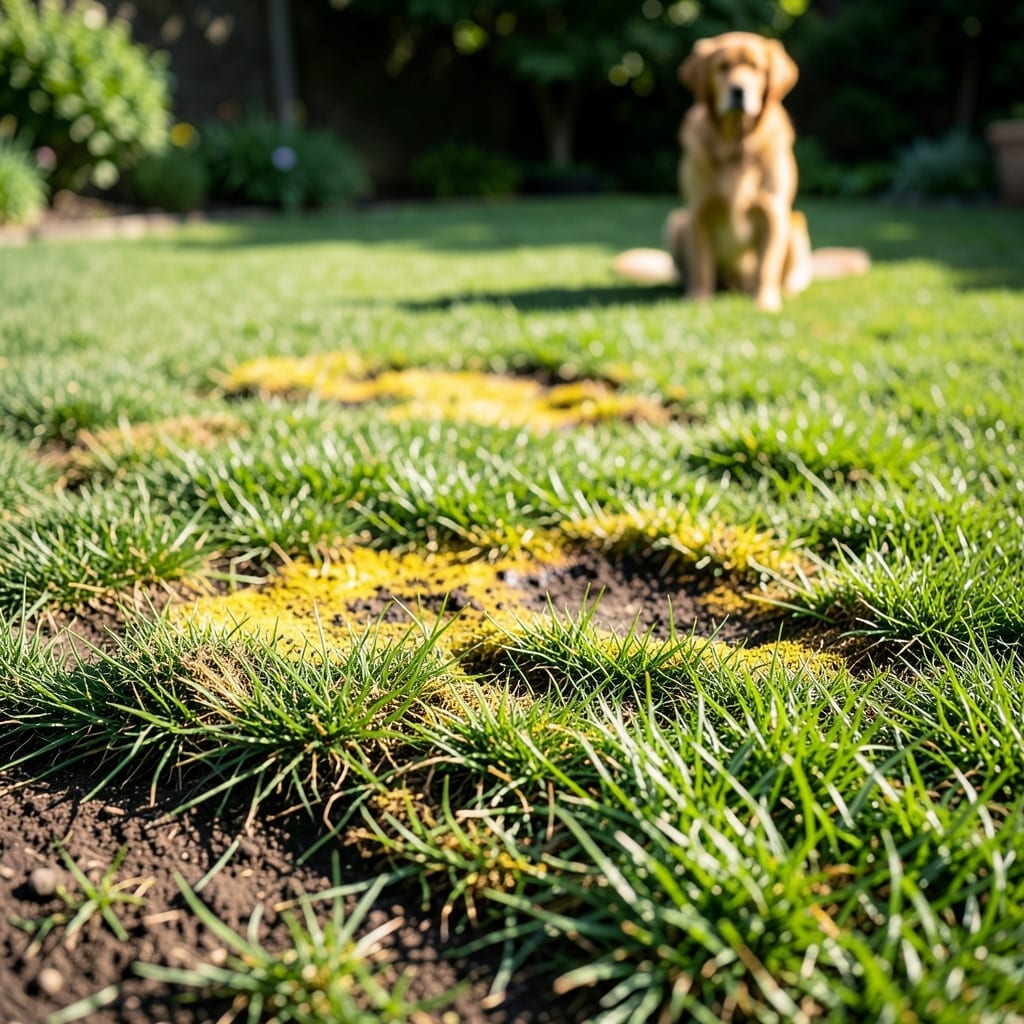
Yellow spots in your lawn from dog urine are frustrating. I’ve been there, watching my once-lush grass turn into a patchwork of brown circles.
The problem isn’t the dog—it’s the nitrogen concentration. But quick fixes exist that restore green without harming your pet. Simple changes to their routine or your lawn care make all the difference.
You’ll see new growth within 1-2 weeks of starting these solutions. The grass thickens, the spots fade, and your lawn looks uniform again.
Works for any grass type and dog size. No fancy tools or expensive products needed.
Dog urine can turn a lush, green lawn into a patchy eyesore, but why does this happen? The answer lies in the chemistry of your dog’s urine and how it interacts with your grass. Here’s a breakdown of the primary causes:
Dog urine is rich in urea, a nitrogen compound that acts as a natural fertilizer in small amounts. However, the nitrogen concentration in undiluted dog urine is often too high for grass to handle. This overload causes nitrogen burn, where the grass blades turn yellow or brown as the excess nitrogen disrupts their ability to absorb water and nutrients. Essentially, it’s like pouring too much fertilizer in one spot—it does more harm than good.
Dog urine is typically acidic, with a pH ranging from 5.5 to 7.0 (though it can vary based on diet). Grass thrives in slightly acidic to neutral soil (pH 6.0–7.5). When urine repeatedly saturates the same area, it lowers the soil’s pH, creating an inhospitable environment for grass roots. Over time, this acidity weakens the grass, making it more susceptible to disease and death.
In addition to nitrogen, dog urine contains salts, hormones, and metabolites that can dehydrate grass. Salts, in particular, draw moisture out of plant roots, leading to osmotic stress. The more concentrated the urine, the stronger this effect. Female dogs often cause more damage than males because they tend to urinate in one spot, delivering a higher concentration of these harmful compounds.
Here are practical ways to repair and prevent damage from dog urine, tailored to each cause:
If you catch the pee fresh, rinse it immediately with a hose or watering can for 30 seconds to dilute the nitrogen. For existing brown patches, flush the area with 1–2 gallons of water to wash away excess salts. Prevention tip: 💡 Train your dog to pee in a gravel or mulch zone instead.
Sprinkle gypsum (calcium sulfate) over the affected area to neutralize salt buildup. Follow package instructions—usually 1–2 lbs per 100 sq ft. Water it in lightly. Prevention tip: 🎯 Apply a thin layer of compost to boost soil health and balance pH over time.
If the lawn is soggy, reduce watering and aerate the soil to improve drainage. For dry patches, water deeply but less often to encourage deep roots. Prevention tip: ✨ Water early in the morning to minimize evaporation and fungal risks.
Female dog urine is more concentrated. Mark a specific spot (like a sand or pea gravel patch) with a flag or scent post to encourage them to go there. Reward them with treats for using it. Prevention tip: 🌿 Plant urine-resistant grasses like tall fescue or Kentucky bluegrass in high-traffic zones.
Encourage your dog to drink more water to dilute their urine. Add extra walks to spread out their pee spots around the yard. Prevention tip: 🥗 Feed high-quality, low-protein dog food to reduce nitrogen in their urine.
Female dogs typically urinate in one spot, delivering a higher concentration of nitrogen and salts. This creates more intense burn damage compared to males who spread it out. Training them to use a designated area helps.
With proper treatment, new growth appears in 1-2 weeks. Full recovery may take up to a month, depending on grass type and soil health. Consistent watering speeds up the process.
No, vinegar is acidic and can worsen the problem. Instead, use gypsum or baking soda to balance soil pH. Always test treatments on a small area first.
Yes, rinsing the area immediately after your dog urinates dilutes the nitrogen. Apply 1-2 gallons of water to flush the spot thoroughly.