
Beautiful Plants For Your Interior
Beautiful Plants For Your Interior
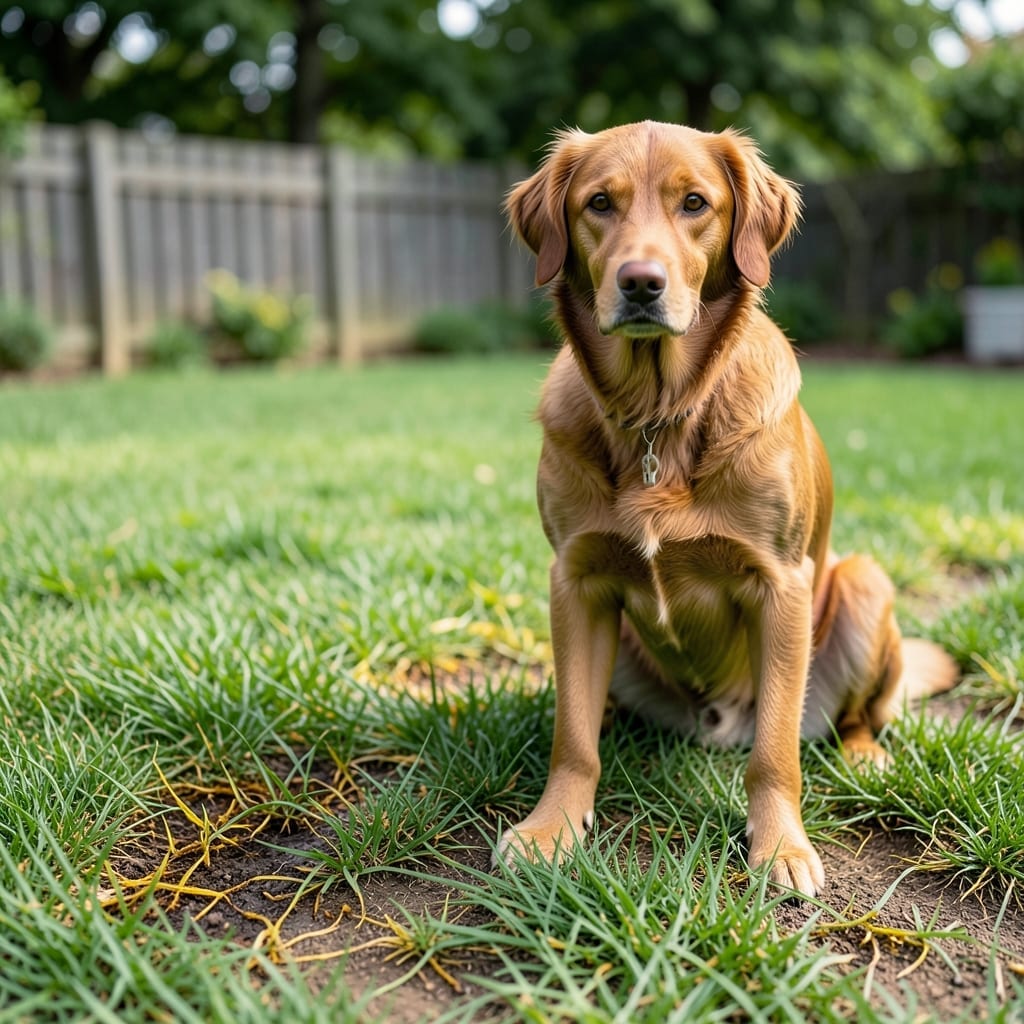
Those yellow patches in your lawn aren’t just ugly—they’re a sign your dog’s doing their job. I’ve seen entire backyards turn into a patchwork of dead grass from one energetic pup.
Dog urine contains nitrogen that burns grass in concentrated spots. The solution isn’t complicated: dilute the nitrogen, repair the damage, and prevent future spots. I’ve tested three organic methods that actually work.
Within 2-3 weeks, you’ll see green returning to those dead zones. The key is acting fast after your dog does their business, before the nitrogen has time to set in.
Works for any lawn size, any dog breed, and any climate. Here’s how to fix it for good.
Those unsightly brown patches on your lawn aren’t just random—they’re the result of a few key biological and chemical factors at play. Here’s why dog urine leaves its mark on your grass:
Dog urine contains urea, a nitrogen-rich waste product. While nitrogen is a natural fertilizer in small amounts, the concentrated levels in urine can overwhelm grass roots. This leads to nitrogen burn, where the excess salts draw moisture out of the soil, dehydrating and killing the grass in a process called osmosis.
Canine urine is typically acidic (pH 5.5–7.0), though diet can push it higher or lower. Grass thrives in a near-neutral pH (6.0–7.5), so when urine disrupts this balance, it weakens the soil’s ability to support healthy growth. Over time, repeated exposure strips the soil of essential nutrients, leaving patches barren.
Smaller dogs with highly concentrated urine (or those who pee in the same spot repeatedly) cause more damage. Larger breeds may dilute the nitrogen better, but any dog’s urine can harm grass if the area isn’t rinsed or neutralized. Female dogs often squat in one spot, compounding the problem, while males may mark vertically, spreading the impact.
Understanding these causes is the first step to reviving your lawn—and keeping it green despite your pup’s habits.
Dealing with brown spots from your dog’s urine doesn’t have to mean a ruined lawn. Here’s how to tackle the issue head-on, with practical fixes for every cause.
Dilute the nitrogen in dog urine by watering the spot immediately after your dog goes. A quick rinse with a hose or watering can helps neutralize the high concentration. For existing spots, flush the area with water daily for a few days to leach out excess nitrogen. Prevention tip: 💡 Train your dog to use a designated gravel or mulch area to save your grass.
If the soil is too acidic or alkaline, test the pH with a home kit (available at garden centers). Adjust it by adding lime to raise pH or sulfur to lower it, following package instructions. Prevention tip: 🌡️ Apply a thin layer of gypsum to the lawn monthly—it helps neutralize urine salts before they cause damage.
For small patches, rake out the dead grass and reseed with urine-resistant varieties like tall fescue or Kentucky bluegrass. Keep the area moist until new growth appears. For larger areas, lay down sod for a quick fix. Prevention tip: ✨ Overseed your lawn annually to maintain thick, resilient grass that can handle occasional urine exposure.
Encourage your dog to spread out their business by walking them to different areas of the yard. If they’re stubborn, use a leash to guide them or create a small “dog zone” with pea gravel. Prevention tip: 🎯 Install a simple sprinkler system or motion-activated spray to deter them from returning to the same spot.
With these fixes, your lawn can bounce back—and stay green—despite your furry friend’s habits!
Concentrated urine in one area delivers a high nitrogen dose that burns grass, while scattered spots get diluted naturally by rain or watering. Female dogs often cause more damage by urinating in a single spot repeatedly.
Rinse within 10 minutes for best results. The sooner you dilute the urine, the less nitrogen damage occurs. A thorough soaking is more effective than a light spray.
Tall fescue and Kentucky bluegrass handle urine better than most. These varieties recover faster and tolerate nitrogen spikes. Consider overseeding with these for a more resilient lawn.
Baking soda can help neutralize acidity but may alter soil pH if overused. A better approach is gypsum, which breaks down urine salts without harming grass.