
Beautiful Plants For Your Interior
Beautiful Plants For Your Interior
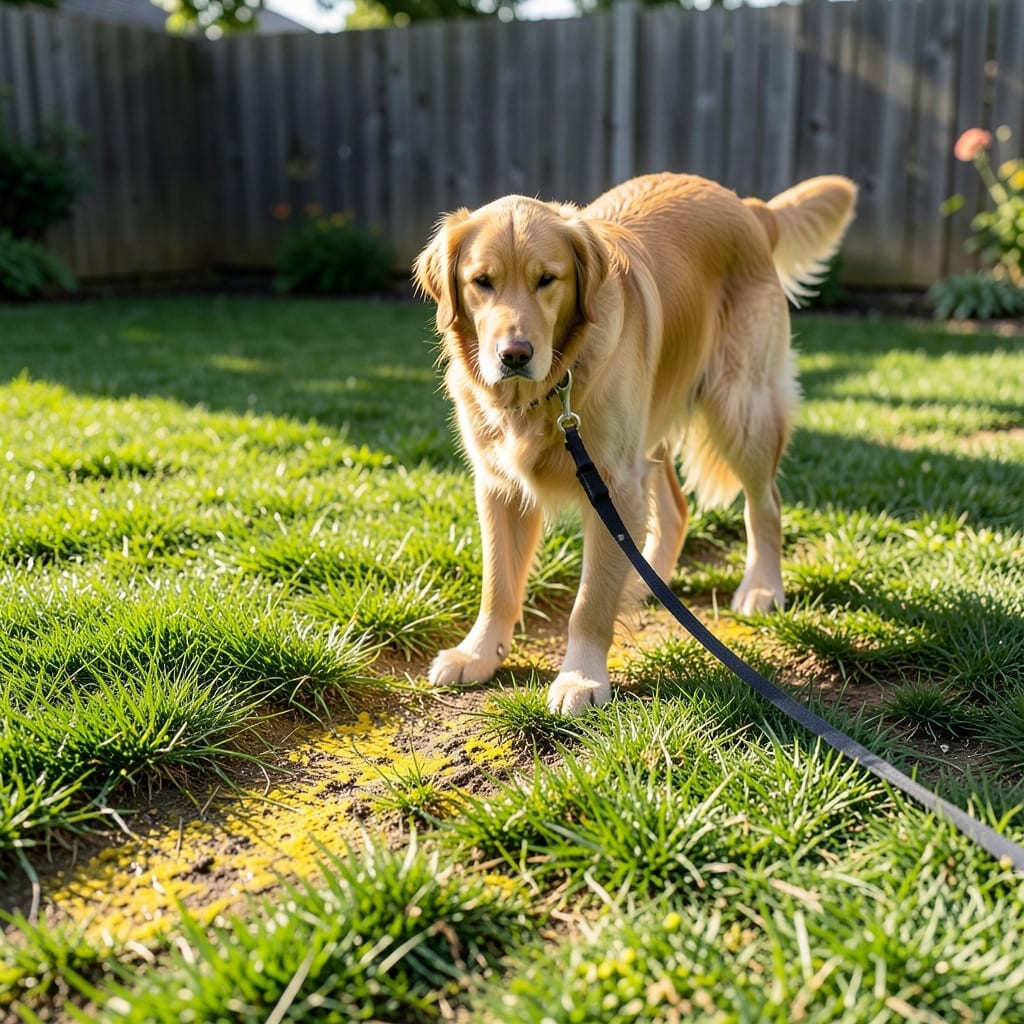
Dog urine can turn a lush green lawn into a patchwork of brown spots overnight. I’ve seen it happen to many homeowners, and the frustration is real. But here’s the good news: with the right approach, you can restore your 🌱 Grass and prevent future damage.
It’s not just about fixing the spots—it’s about understanding why they appear in the first place. The key lies in balancing your lawn’s health with your pet’s habits.
Discover simple, effective solutions that work. From immediate repairs to long-term prevention, I’ll show you how to keep your lawn looking its best.
Dog urine contains high levels of nitrogen and salt, which can cause chemical burns on your lawn. These appear as brown or yellow patches surrounded by a ring of dark green grass.
The dark green ring happens because the diluted urine acts like a fertilizer, promoting extra growth. Meanwhile, the concentrated center kills the grass roots, leading to those unsightly dead spots.
I recommend acting quickly when you notice urine spots. The sooner you flush the area, the less damage will occur to your lawn’s roots and blades.
For existing dead patches, reseeding is often necessary. Choose urine-resistant grass types like tall fescue or perennial ryegrass for better results in high-traffic pet areas.
After reseeding, keep the soil moist but not soggy. This helps the new grass seeds germinate while preventing further damage from your dog’s urine.
You can also train your dog to use a specific area of the yard. I’ve found that using positive reinforcement with treats works well for redirecting their habits.
If training isn’t an option, consider creating a designated gravel or mulch area for your dog to do their business. This protects your lawn while still giving your pet a comfortable spot.
Remember that prevention is always better than repair when it comes to dog urine damage. Regular lawn maintenance and smart pet management can keep your grass green and healthy all season long 🌱
Preventing dog urine damage starts with understanding your pet’s habits. Most dogs return to the same spots repeatedly, so identifying these areas is your first step in protection.
I’ve found that immediate watering after your dog urinates can significantly reduce damage. A quick rinse with a hose dilutes the nitrogen concentration before it can burn your grass.
For a more permanent solution, consider installing a small patch of artificial turf or gravel where your dog typically goes. This eliminates the urine damage problem entirely in that area.
Dietary adjustments can also help. Consult your vet about lower-protein foods which may reduce the nitrogen content in your dog’s urine, making it less harmful to your lawn.
Regular lawn maintenance makes a difference too. A healthy, well-fertilized lawn can better withstand occasional urine exposure. I recommend aerating and overseeding in spring and fall.
Finally, monitor your lawn for early signs of damage. Catching brown spots early gives you the best chance to repair them before they spread 🌱