
Beautiful Plants For Your Interior
Beautiful Plants For Your Interior
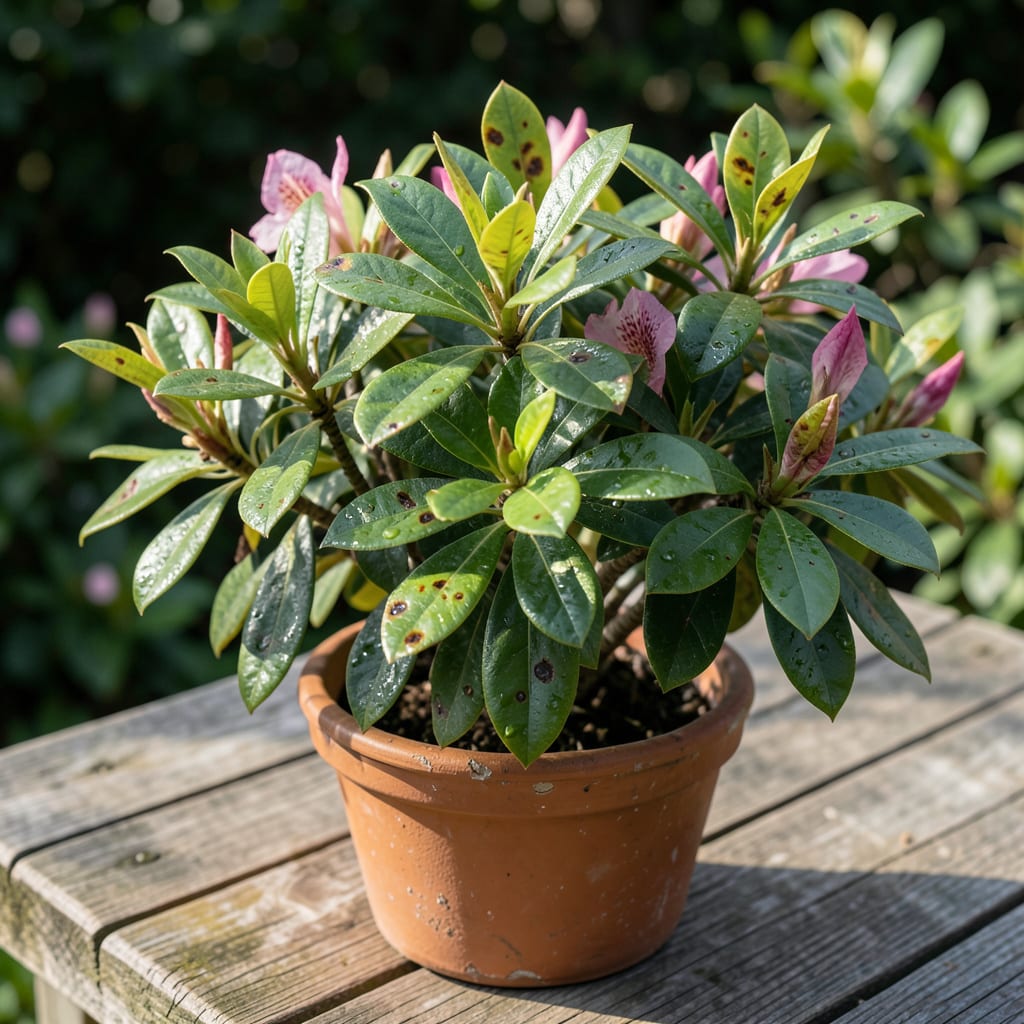
Brown spots on azalea leaves hit me hard last spring. 🌿 I watched my prized shrubs go from vibrant to spotted in days, and it turned out to be a common fungal issue that’s easier to fix than I feared.
Most cases come down to three culprits: fungal infections, pest damage, or environmental stress like too much water or sun. The good news? You can usually reverse the damage with simple adjustments and targeted treatments.
I’ll walk you through identifying the exact cause—whether it’s leaf gall, lace bugs, or just poor drainage—so you can apply the right fix. Early action makes all the difference.
With the right approach, your azaleas can bounce back with lush, spot-free leaves in just a few weeks. No green thumb required.
Brown spots on azalea leaves can stem from several underlying issues, each with distinct triggers. Identifying the root cause is key to addressing the problem effectively.
Fungi like Cercospora, Phyllosticta, or Septoria thrive in warm, humid conditions. These pathogens produce enzymes that break down leaf tissue, creating circular or irregular brown spots with defined edges. Overhead watering and poor air circulation exacerbate fungal growth.
Excess moisture stresses azaleas, leading to root rot or leaf edema. Waterlogged roots can’t absorb oxygen, causing nutrient deficiencies that manifest as brown, water-soaked spots. Ensure soil is well-draining and water only when the top inch feels dry.
Extreme heat, cold snaps, or sudden temperature swings disrupt cellular function. Sunburn (from intense afternoon light) or frost damage can create crisp, brown patches. Azaleas prefer partial shade and consistent temperatures between 60–75°F (15–24°C).
Sap-sucking pests like lace bugs or spider mites pierce leaf cells, causing stippling or yellowing that turns brown. Their feeding also introduces secondary infections. Inspect leaf undersides for tiny insects or webbing.
Lack of magnesium or potassium often results in interveinal browning. Magnesium deficiency causes yellowing between veins, while potassium scarcity leads to scorched leaf margins. A soil test can confirm imbalances; amend with Epsom salt (for magnesium) or potash (for potassium).
Once you’ve identified the cause, these targeted solutions will help restore your azalea’s health. Act quickly to prevent further damage.
If leaf gall or spot anthracnose is the culprit, remove and destroy infected leaves immediately to stop the spread. Apply a copper-based fungicide or neem oil every 7–10 days until symptoms disappear. Prevention tip: 💡 Improve air circulation by spacing plants and watering at the base (not overhead) to keep foliage dry.
For lace bugs or azalea bark scale, blast pests off with a strong stream of water or wipe leaves with a soap-and-water solution (1 tsp mild soap per quart of water). For severe infestations, use horticultural oil or insecticidal soap. Prevention tip: 🎯 Encourage natural predators like ladybugs by planting companion flowers nearby.
If brown spots stem from sunscald or drought, move potted azaleas to partial shade and ensure the soil stays evenly moist (not soggy). Mulch with pine bark to retain moisture and regulate temperature. Prevention tip: ✨ Water deeply 1–2 times per week during dry spells, and shield plants from harsh afternoon sun.
Yellowing with brown spots often signals iron or magnesium deficiency. Use a chelated iron supplement or Epsom salt (1 tbsp per gallon of water) for a quick fix. Long-term, fertilize with an acid-loving plant food in spring and fall. Prevention tip: 🌱 Test soil pH annually—azaleas thrive in 4.5–6.0 pH. Amend with sulfur if needed.
Consistency is key: monitor your azalea weekly and adjust care as the seasons change. Healthy plants resist problems better!
Fungal spots are usually circular with defined edges, while pest damage appears as tiny speckles or stippling. Check leaf undersides for insects or webbing to confirm pests.
Yes! Too much water leads to root rot, which prevents nutrient uptake. This often shows as water-soaked brown spots on leaves. Let soil dry slightly between waterings.
Removing infected leaves helps, especially for fungal issues. Use clean shears and dispose of debris far from the plant. Combine with fungicide for best results.
Neem oil or a baking soda solution (1 tsp baking soda per quart of water) can work for mild cases. Apply weekly until spots disappear.
