
Beautiful Plants For Your Interior
Beautiful Plants For Your Interior
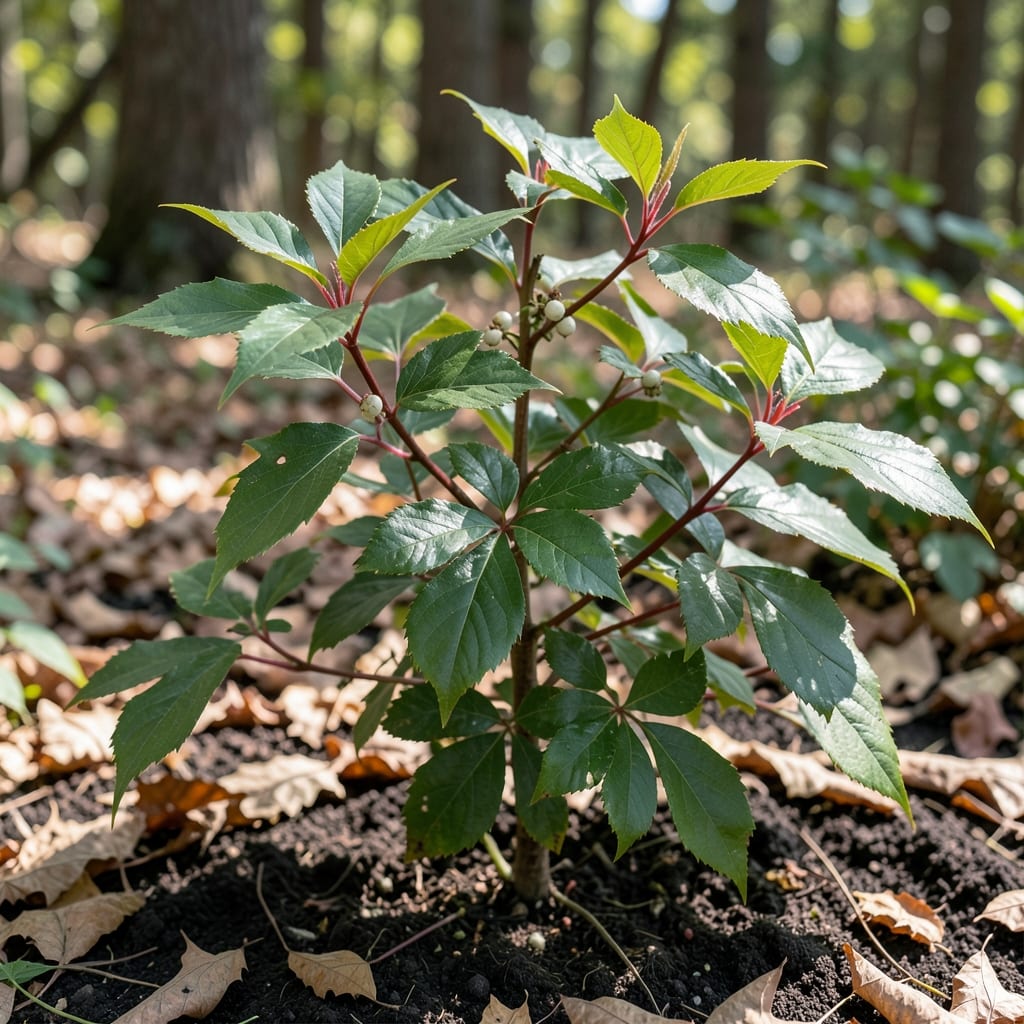
Poison ivy typically has three leaflets per stem, but it can occasionally have more due to mutations or environmental factors. Never rely solely on leaf count for identification.
I’ve seen cases where environmental stress or genetic quirks cause this plant to sprout 4-7 leaflets. The “leaves of three“ rule is a helpful guideline, but savvy identification requires examining the entire plant’s characteristics. 🔥
Look for the telltale glossy leaves with smooth or slightly toothed edges, and red stems that turn woody with age.
💡 In This Article
The three-leaflet arrangement, called a trifoliate pattern, is a genetic trait hardwired into Toxicodendron radicans. This growth habit maximizes sunlight exposure while conserving energy for the vine. Each stem produces a cluster of 3 leaflets from a single bud, a pattern that repeats every 2-4 inches along the vine. 🔥
Botanists call this compound leaf structure a means of efficient photosynthesis. The central leaflet typically grows 2-4 inches long, with side leaflets being slightly smaller. This symmetrical design helps the plant balance water retention and light absorption in its native forest-edge habitats. The leaflets attach via tiny stems called petiolules to a main leaf stem.
Environmental stress can alter this pattern. Drought, extreme temperatures, or soil nutrient deficiencies may trigger mutations causing 5-7 leaflets to form. These anomalies occur in about 1-5% of wild poison ivy plants, particularly in disturbed areas like roadsides or clearings. Even then, the extra leaflets maintain the characteristic pointed tips and glossy surface.
This genetic consistency aids survival. The trifoliate pattern allows the vine to climb efficiently while maintaining stability. Each leaf cluster creates a tiny canopy that shades the stem below, conserving moisture. This adaptation helped poison ivy thrive across North America from Canada to Guatemala. ✨
The three-leaflet rule persists because it’s evolutionarily advantageous. However, the plant’s true identifier is its urushiol oil content, present regardless of leaf count. This oil triggers the allergic reaction in 80-90% of humans, making proper identification crucial for safety. Always look for the entire plant profile, not just leaf numbers.
Don’t assume it’s safe. While rare, poison ivy can develop 5-7 leaflets due to mutations or stress. Always check for glossy leaves, red stems, and the characteristic vine growth pattern. When in doubt, avoid contact.
Yes! Boxelder saplings and some raspberry bushes also have three leaflets. Look for poison ivy’s glossy surface, pointed tips, and alternating leaf pattern to distinguish it.
The trifoliate pattern helps poison ivy maximize sunlight exposure while conserving energy. This genetic trait evolved to help the vine climb efficiently and thrive in forest-edge habitats.
No, poison ivy always grows in clusters. Even young plants produce three leaflets from a single stem. Single leaves are never a characteristic of this plant.