
Beautiful Plants For Your Interior
Beautiful Plants For Your Interior
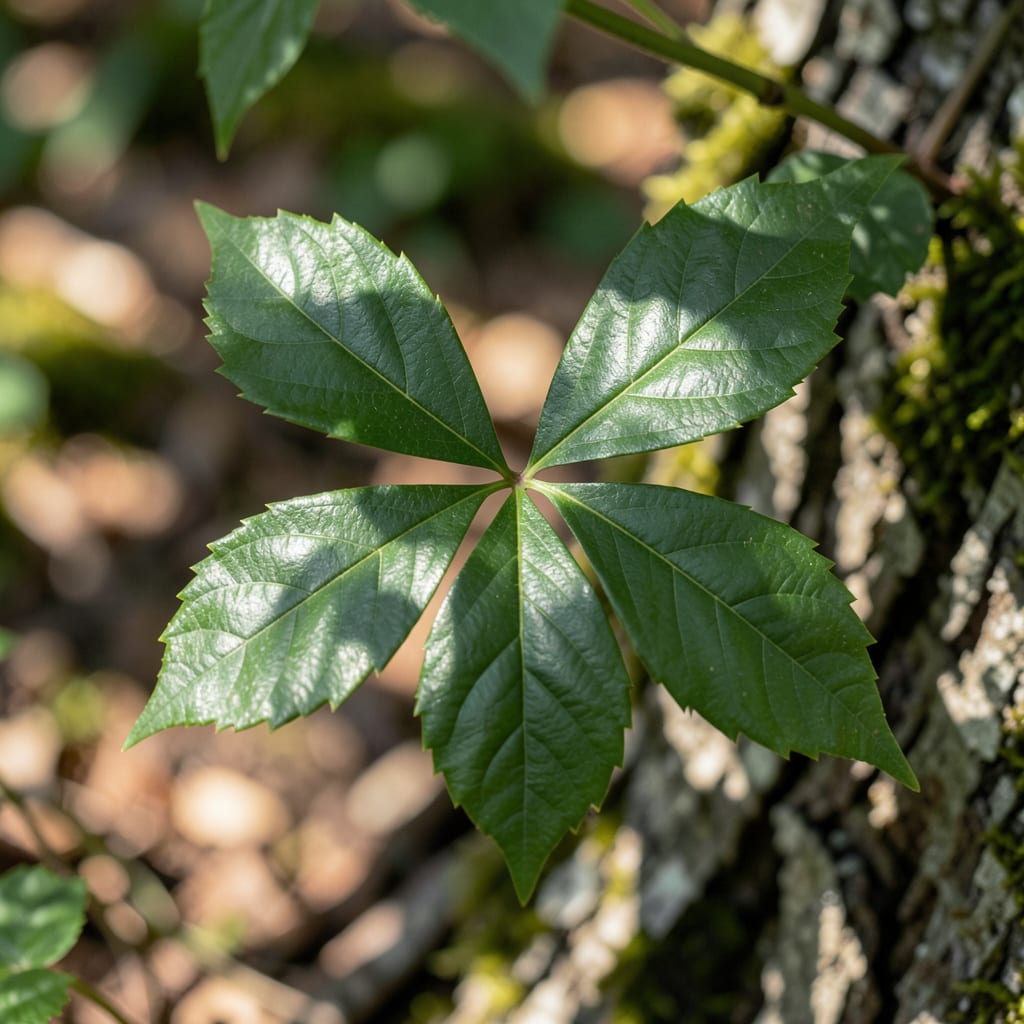
Spotting poison ivy starts with its signature trio. I learned the hard way that “leaves of three, let it be” isn’t just a rhyme—it’s a survival rule for gardeners and hikers alike.
This plant hides in plain sight, blending with harmless lookalikes until you get too close. The key is noticing the glossy, slightly toothed edges and the way the middle leaflet often has a longer stem. Stay sharp, and you’ll avoid the itch entirely.
📚 In This Guide
Use this reliable method to recognize this plant safely and avoid painful rashes.
Look for three leaflets growing from a single stem, which is the most distinctive feature. Each leaflet has its own short stem connecting it to the central point. This “leaves of three” pattern is consistent across all varieties, whether the plant is climbing, trailing, or standing upright as a shrub.
I always check the arrangement first—it’s the quickest way to rule out similar-looking plants. Remember that some harmless plants also have three leaflets, so this alone isn’t definitive. You’ll need to verify additional characteristics before making a final determination.
The middle leaflet typically has a longer stem than the two side leaflets. Each leaflet is 2-6 inches long with a pointed tip and may have a slightly toothed or smooth edge. The surface often appears glossy when healthy, especially in spring and summer.
Color varies by season: bright green in spring, deep green in summer, and brilliant red or orange in fall. Younger leaves might have a reddish tint. I’ve found that the leaves often have a slightly leathery texture, which helps distinguish them from softer, more delicate imposters.
Mature plants develop woody, hairy-looking vines that can be 1-4 inches thick. These vines often appear fuzzy or rope-like as they climb trees or fences. Younger stems might be smooth and green, but they’ll still have that distinctive three-leaf pattern.
If you see a vine climbing a tree with this leaf arrangement, it’s almost certainly this plant. The vines can blend into tree bark, so look closely at the base. I always trace the vine back to its origin point for confirmation, as the leaf pattern remains consistent regardless of the plant’s age.
In early spring, new leaves emerge with a reddish hue before turning green. The plant may appear as a low-growing shrub or a climbing vine, depending on its environment. In open areas, it often spreads as a ground cover with 1-3 foot tall stems.
In fall, the leaves turn vibrant colors, but the three-leaf pattern persists. I’ve learned to be especially cautious during this time, as the bright foliage can be attractive but still contains the irritating oil. The plant also produces small white berries in late summer that birds help spread.
Take a step back and look at the whole plant. Poison ivy often grows in dense patches with multiple stems emerging from the same root system. The plant can adapt to various light conditions, from full sun to deep shade, which contributes to its widespread presence.
I always remind myself that if there’s any doubt, it’s best to avoid contact. The old saying “leaves of three, let it be” exists for good reason. When in doubt, don’t touch and observe from a safe distance. True identification comes from combining all these characteristics, not just one feature alone.
Here are key insights to help you confidently recognize this plant in the wild.
The Leaf Cluster Rule: Always start with Step 1—the “leaves of three” pattern is your first clue. I’ve found that checking this arrangement first saves time, but remember to verify with other characteristics since some harmless plants share this trait. The central stem connecting all three leaflets is a dead giveaway that’s often overlooked.
Seasonal Color Clues: In Step 2, pay attention to the seasonal changes mentioned. The reddish hue of new spring leaves and vibrant fall colors can actually make the plant more noticeable. I’ve made the mistake of dismissing bright red leaves in autumn, only to regret it later. The glossy surface in spring and summer is another telltale sign that’s easy to spot from a distance.
Vine Inspection Tip: For Step 3, don’t just look at the leaves—examine the vines closely. Those woody, hairy-looking vines that can reach 1-4 inches thick are unique. I always run my eyes along the entire length of any suspicious vine to check for this characteristic fuzzy or rope-like appearance, especially where it meets the ground.
Whole Plant Perspective: Step 5 emphasizes looking at the entire plant structure, and this is crucial. I’ve learned that poison ivy often grows in dense patches with multiple stems from one root. If you see several plants with the three-leaf pattern growing together in a cluster, that’s a strong indication you should steer clear.
Look for clusters of three pointed leaflets on a single stem. The middle leaflet often has a longer stem, and edges may be smooth or toothed. Leaves can be shiny or dull and turn red in fall.
Wash the area immediately with soap and cool water. Clean under nails and scrub gently. Remove and wash contaminated clothing separately to avoid spreading the oil (urushiol).
No, about 10-15% of people are not allergic. However, sensitivity can develop over time. Even if you’ve never reacted, it’s best to avoid contact.
Yes! Boxelder, Virginia creeper, and fragrant sumac have similar leaf groupings. Check for poison ivy’s signature shiny leaves, red stems, or hairy vines to confirm.
A rash typically appears within 12-48 hours and lasts 2-3 weeks. Severe cases may require medical treatment, like steroids or antihistamines. Avoid scratching!
