
Beautiful Plants For Your Interior
Beautiful Plants For Your Interior
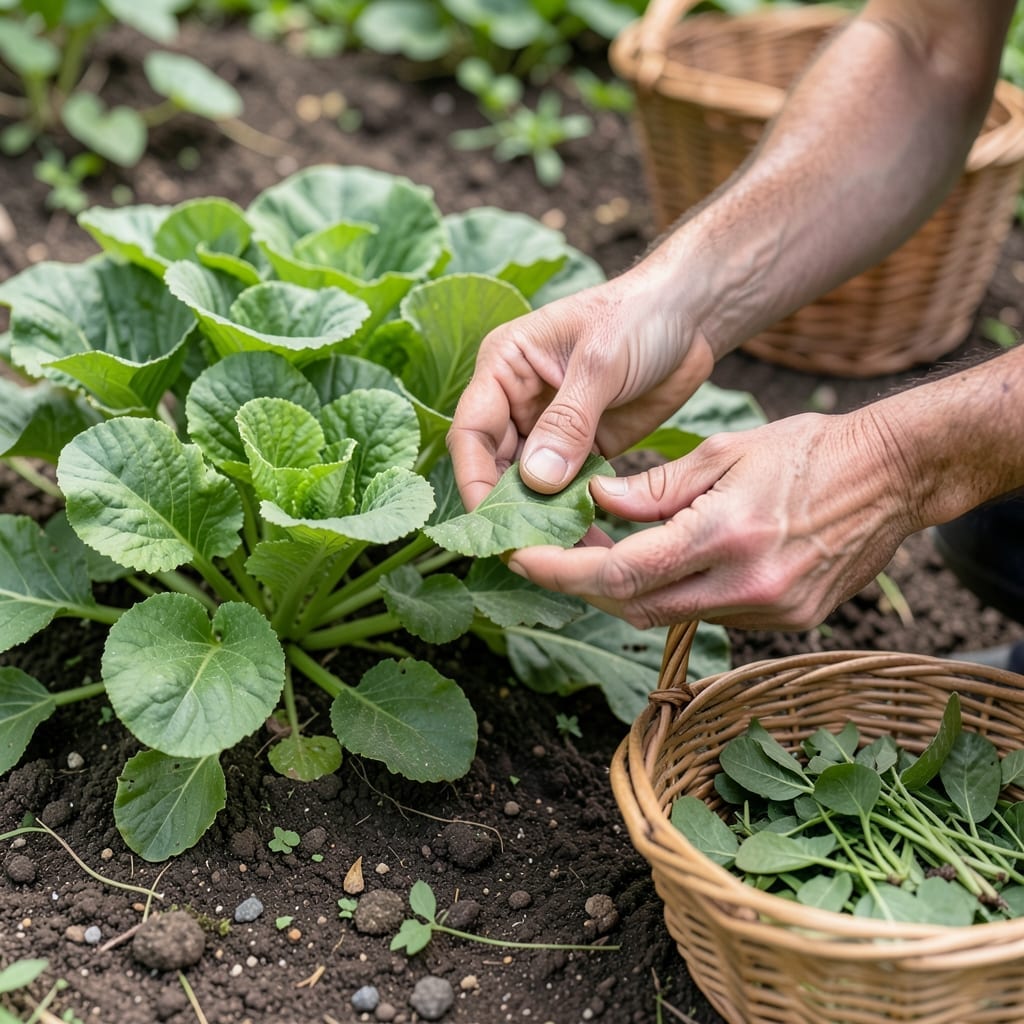
Yes, young dock leaves are edible when cooked, offering a tangy, lemony flavor. However, raw leaves contain oxalic acid, which can be harmful in large amounts, and mature leaves may taste bitter.
I’ve found that cooking dock leaves helps neutralize their oxalic acid content, making them safer and more palatable. 🔥 Their bright, citrusy notes work well in soups or sautéed dishes, but it’s crucial to harvest only the tender, young leaves for the best flavor. Always avoid older growth, which can turn unpleasantly bitter and tough.
💡 In This Article
Dock leaves contain oxalic acid, a compound that binds with calcium to form insoluble crystals. When consumed raw in large quantities, these crystals can contribute to kidney stones or digestive discomfort. Cooking breaks down about 30-50% of these oxalates, making the leaves far safer for consumption.
The process also softens the fibrous texture, transforming them into a tender green.
Young dock leaves, particularly from the Rumex obtusifolius and Rumex crispus species, offer notable nutritional value. They’re rich in vitamin C, iron, and potassium, with a citrusy tang similar to sorrel. In fact, 100 grams of cooked dock leaves provide approximately 20% of your daily vitamin C needs, rivaling many cultivated greens. 🔥
Traditional cuisines in Europe and Asia have long used dock leaves in soups, stews, and as a cooked green. In Scotland, they’re a classic ingredient in dock pudding, a savory dish made with oats and herbs. The leaves’ high fiber content also supports digestive health, making them a valuable addition to foraged meals.
What most people don’t realize is that the oxalic acid concentration varies by season. Spring leaves contain the lowest levels, while those harvested in late summer may have up to 3 times more. This is why foraging in early growth stages is so important for both safety and flavor. ✨
The key factor is preparation. Blanching the leaves for 2-3 minutes in boiling water before cooking further reduces oxalates. Pairing them with dairy, like in a creamy soup, can also help mitigate any remaining acid by binding to calcium in the milk.
This simple technique makes dock leaves both safer and more versatile in the kitchen.
No, eating raw dock leaves is not recommended due to their high oxalic acid content. This compound can cause digestive discomfort and may contribute to kidney stones in large quantities. Always cook them first to reduce oxalates.
Blanch the leaves in boiling water for 2-3 minutes, then shock in ice water. This process removes much of the bitterness while preserving their bright, lemony flavor. Older leaves will always be more bitter than young ones.
Avoid rhubarb leaves (highly toxic) and foxglove, which can be fatal. True dock leaves have smooth edges and reddish stems, while toxic imposters often have hairy textures or distinct red veins. When in doubt, consult a foraging expert.
Spring is ideal, when leaves are young, tender, and contain the lowest oxalic acid levels. Leaves harvested in late summer can have up to 3 times more oxalates and tend to be tougher.