
Beautiful Plants For Your Interior
Beautiful Plants For Your Interior
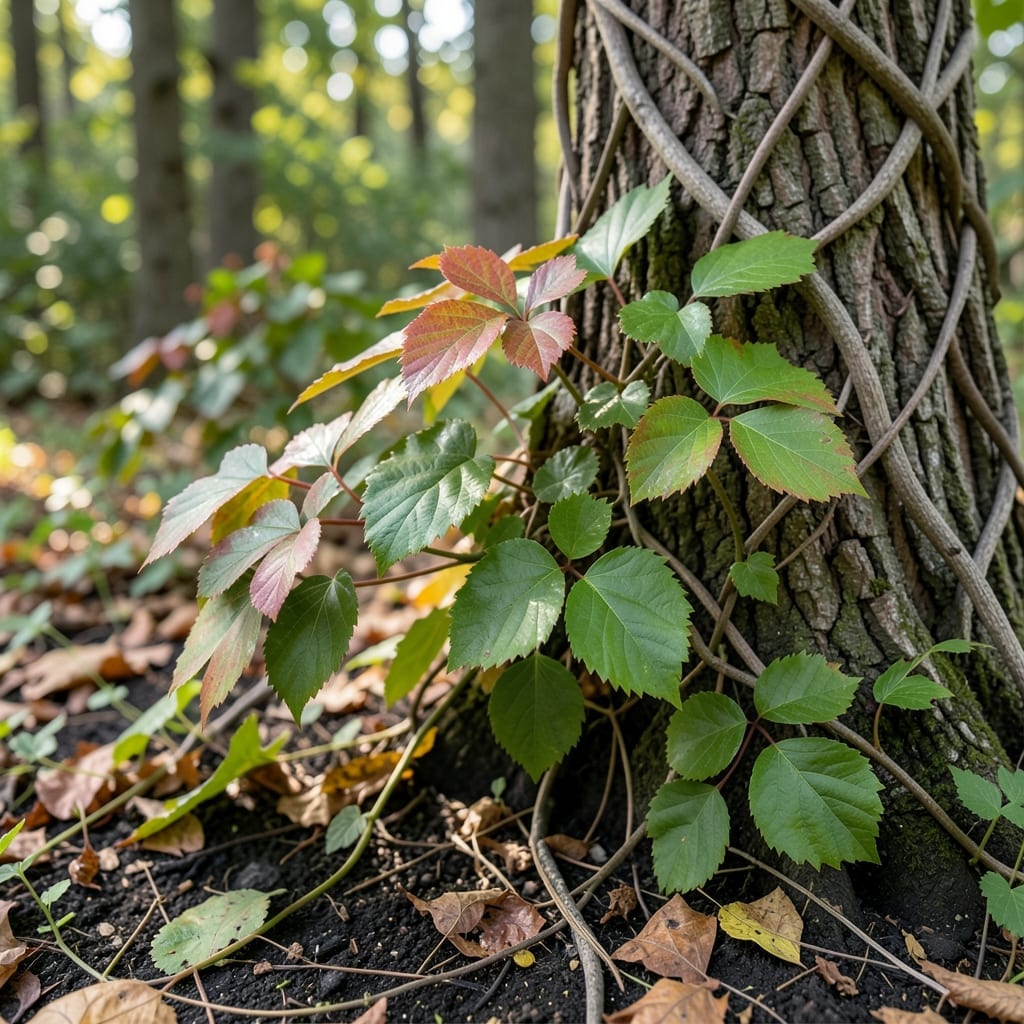
The process begins with chlorophyll, the green pigment that dominates during growing season. As days shorten and temperatures drop below 50°F, the plant slows chlorophyll production. This reveals carotenoids—yellow and orange pigments that were masked by green all summer. 🔥
Anthocyanins then steal the show, creating those vivid reds. These pigments form in response to bright light and excess sugars trapped in leaves as photosynthesis winds down. Poison ivy often produces more anthocyanins than maples, resulting in particularly intense crimson hues. The exact shade varies by soil pH, with acidic conditions enhancing red tones. ⚡
What makes poison ivy’s display unique is its timing. While oaks and hickories may hold their leaves until deep autumn, poison ivy often starts changing color in early September. This early transition can catch people off guard, as the plant remains just as potent despite its beautiful appearance. 💫
Environmental stressors amplify the colors too. A mild drought or cool (but not freezing) nights can boost anthocyanin production. I’ve noticed poison ivy growing in full sun develops deeper reds than shaded vines, which tend toward orange. This variation helps the plant maximize its final energy production before winter dormancy. ✨
The color change isn’t just for show. As chlorophyll breaks down, the plant reabsorbs valuable nitrogen and phosphorus from the leaves. Those red and orange pigments help protect the leaves from excess sunlight during this nutrient recovery process, acting like natural sunscreens for the plant’s final weeks of activity. 🌟
No, many plants turn red in autumn. Virginia creeper and sumac also display vibrant reds. Always check for the three leaflets and vine growth pattern before assuming it’s poison ivy.
Typically in early September, earlier than many trees. The process accelerates when temperatures drop below 50°F. This early transition often surprises people who expect green foliage.
No, the plant remains just as toxic year-round. The urushiol oil that causes rashes is present in all parts, regardless of leaf color. Always avoid contact, even with beautiful red foliage.
Never burn poison ivy! The smoke carries urushiol particles that can cause severe lung irritation if inhaled. Always dispose of it in sealed bags through regular trash collection.
Shaded vines may change color later or turn orange instead of red. Sunlight exposure and local weather conditions affect the timing and intensity of the color change.