
Beautiful Plants For Your Interior
Beautiful Plants For Your Interior
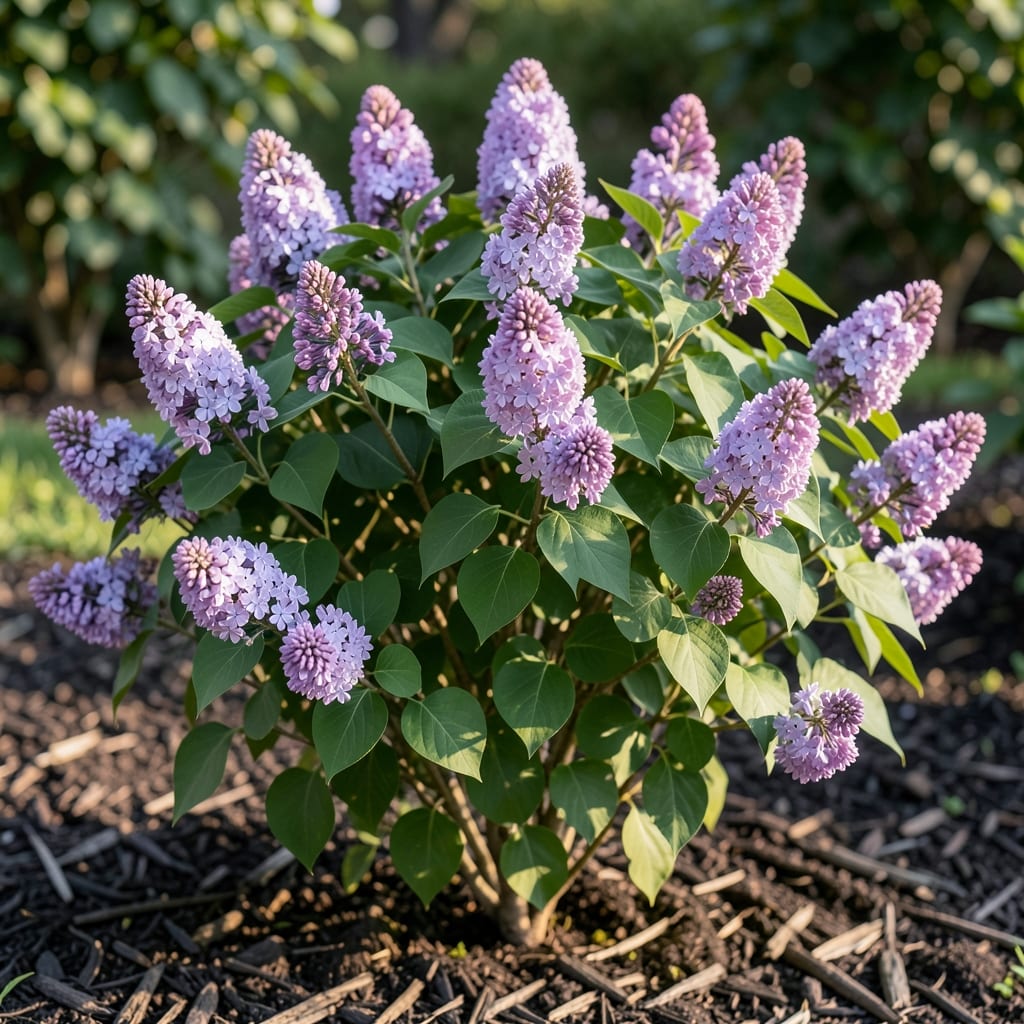
Yes, lilac bushes are deciduous and naturally shed their leaves in fall to conserve energy during winter. New foliage regrows each spring.
This seasonal cycle is a survival strategy that helps lilacs redirect nutrients to their roots during colder months. Dormancy protects them from harsh conditions while storing energy for vibrant spring blooms. I’ve noticed that even healthy bushes may drop leaves earlier in extreme drought or frost. 💫
What’s fascinating is how this process differs from evergreens, which retain foliage year-round but grow more slowly as a trade-off. 🌟
💡 In This Article
Lilacs are classic deciduous shrubs, meaning their leaf-shedding is a hardwired survival tactic. As days shorten in autumn, the plant produces less chlorophyll—the green pigment responsible for photosynthesis. This triggers a cascade where nutrients are reabsorbed from leaves into the stems and roots for winter storage.
The leaves then change color and drop, forming a protective mulch around the base. ✨
The dormancy cycle is the plant’s way of hitting the “pause button” on growth. By shedding leaves, lilacs reduce water loss through transpiration by up to 90%. This conservation is critical because frozen soil in winter prevents the roots from absorbing moisture.
The energy saved during this period fuels the explosive growth and flowering come spring. 💛
What’s happening beneath the surface is just as important. While the bush appears bare, the root system remains active at temperatures above 40°F. It slowly metabolizes stored starches into sugars, which act as a natural antifreeze. This process ensures cells don’t rupture during freezing temperatures, allowing the plant to bounce back vigorously when warmth returns.
⚡
This seasonal strategy also benefits the ecosystem. The fallen leaves decompose over winter, enriching the soil with organic matter and nutrients. In my garden, I’ve noticed that lilacs growing in nutrient-poor soil often have more vibrant spring blooms after a thorough leaf drop, as the recycled nutrients give them a head start. 🔥
Compared to evergreens, which must maintain foliage year-round, deciduous plants like lilacs can grow faster in favorable conditions. This trade-off allows them to invest more energy into flowers and seeds during the growing season, which is why lilacs produce such abundant and fragrant blooms each spring. 🌟
Yes, lilacs are deciduous shrubs that naturally shed leaves in fall. This helps conserve energy for winter dormancy. New foliage returns each spring with warmer weather.
Premature leaf drop can signal stress from drought, pests like borers, or diseases such as powdery mildew. Check for yellowing, spots, or holes in leaves as warning signs.
Leaving a thin layer of leaves around the base acts as natural mulch. Excessive buildup can trap moisture and encourage disease, so rake away thick layers.
Ensure consistent watering, especially during dry spells, and improve drainage if needed. Apply balanced fertilizer in early spring to support healthy growth.