
Beautiful Plants For Your Interior
Beautiful Plants For Your Interior
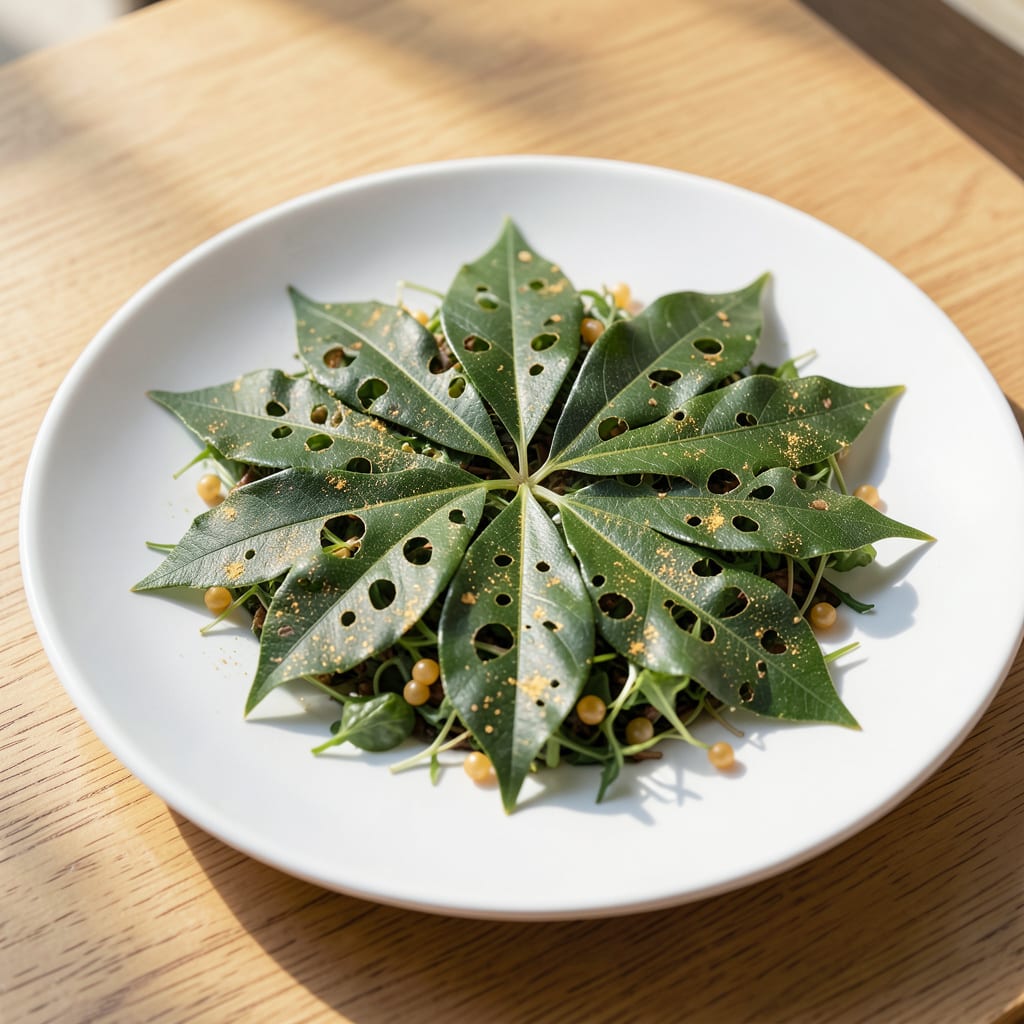
Woke up to Swiss cheese laurel leaves this morning. 🌿 Turns out those holes aren’t random—something’s been snacking overnight on your plants.
I’ve seen this pattern before: caterpillars leave ragged edges, sawfly larvae create neat rows of holes. The culprits vary, but the damage looks surprisingly similar. Check the undersides first—that’s where the real action happens.
Organic solutions work best for this. A strong blast of water dislodges pests, while neem oil disrupts their life cycle. 2-3 applications usually break the pattern before it spreads to other plants.
Your laurel will recover quickly once the pests are gone. The new growth comes in clean and pest-free—if you catch it early enough.
Holes in laurel leaves often stem from a few key culprits, each with distinct patterns and solutions. Here’s what’s likely behind the damage:
Chewing pests like laurel leaf weevils (Otiorhynchus sulcatus) and caterpillars (e.g., Antheraea polyphemus silk moth larvae) are primary offenders. Adult weevils create notched edges, while larvae bore into leaves, leaving irregular holes. Caterpillars, on the other hand, devour large sections, resulting in ragged gaps. Inspect undersides of leaves for eggs or larvae, and look for frass (insect droppings) as a telltale sign.
While less common, pathogens like Shot Hole Fungus (Stigmina carpophila) can cause small, circular holes as infected tissue dies and drops out. These typically appear after wet, humid periods. Purple or brown spots with yellow halos may precede the holes. Bacterial leaf spot (Xanthomonas spp.) can also create a “shothole” effect as lesions dry. Confirm with a lab test if other symptoms (e.g., cankers, wilting) are present.
Birds, squirrels, or deer may nibble laurel leaves, creating torn or jagged holes. Slugs and snails leave silvery slime trails and irregular, smooth-edged bites. Mechanical damage—from hail, string trimmers, or garden tools—can mimic pest activity but lacks the accompanying signs (e.g., frass, eggs). Check for physical evidence like bite marks at varying heights or tool scuffs on stems.
Drought, nutrient deficiencies (e.g., magnesium or potassium), or herbicide drift can weaken leaves, making them susceptible to secondary pests or disease. Stress-induced holes are often accompanied by yellowing, curling, or stunted growth. Rule out cultural issues by assessing soil moisture, pH (laurels prefer 6.0–7.5), and recent chemical applications.
Once you’ve identified the cause of holes in laurel leaves, these targeted fixes will help restore your plant’s health. Address each issue promptly for the best results.
For caterpillars, beetles, or slugs, start with a neem oil spray (mix 1 tbsp neem oil + 1 tsp dish soap + 1 quart water). Apply in the early morning or late evening to avoid leaf burn. For slugs, set up beer traps or sprinkle diatomaceous earth around the base. Handpick larger pests like sawfly larvae and drop them in soapy water.
Prevention tip: 💡 Encourage beneficial insects (ladybugs, lacewings) by planting companion flowers like marigolds or yarrow.
If holes are paired with brown spots or wilting, prune affected leaves with sterilized shears to stop the spread. Treat with a baking soda solution (1 tsp baking soda + 1 quart water + a few drops of dish soap) or copper fungicide for stubborn cases. Space plants 2–3 feet apart to boost airflow.
Prevention tip: 🌡️ Avoid overhead watering—use a drip irrigation system or water at the base to keep foliage dry.
Yellowing leaves with holes often signal nitrogen or potassium deficiency. Amend soil with compost or well-rotted manure for a slow-release nutrient fix. For quick results, use a balanced organic fertilizer (10-10-10) every 4–6 weeks during growing season.
Prevention tip: ✨ Test your soil annually to catch imbalances early—laurels thrive in slightly acidic to neutral pH (6.0–7.0).
If holes appear after extreme heat, drought, or frost, focus on recovery. Mulch with 2–3 inches of organic matter to retain moisture and regulate soil temperature. Shield plants from harsh sun with shade cloth during peak hours, and water deeply but infrequently (1–2 times per week).
Prevention tip: 🎯 Acclimate laurel plants gradually to new conditions if transplanting or moving pots.
Chewing pests like caterpillars or sawfly larvae are the most common culprits. Check leaf undersides for eggs or frass. Less often, fungal infections or wildlife nibbling can create similar damage.
Pests leave irregular holes with jagged edges and often visible insects or droppings. Disease causes spots that turn into holes, often with yellow halos. A magnifying glass helps spot tiny pests or fungal spores.
Neem oil effectively treats most chewing pests and some fungal issues. For bacterial problems or wildlife damage, it won’t help. Always test on a small area first and apply in cooler parts of the day.
Yes! Encourage beneficial insects, maintain proper spacing for airflow, and keep your laurel healthy with regular watering and balanced fertilizer. Healthy plants resist pests and diseases better.
