
Beautiful Plants For Your Interior
Beautiful Plants For Your Interior
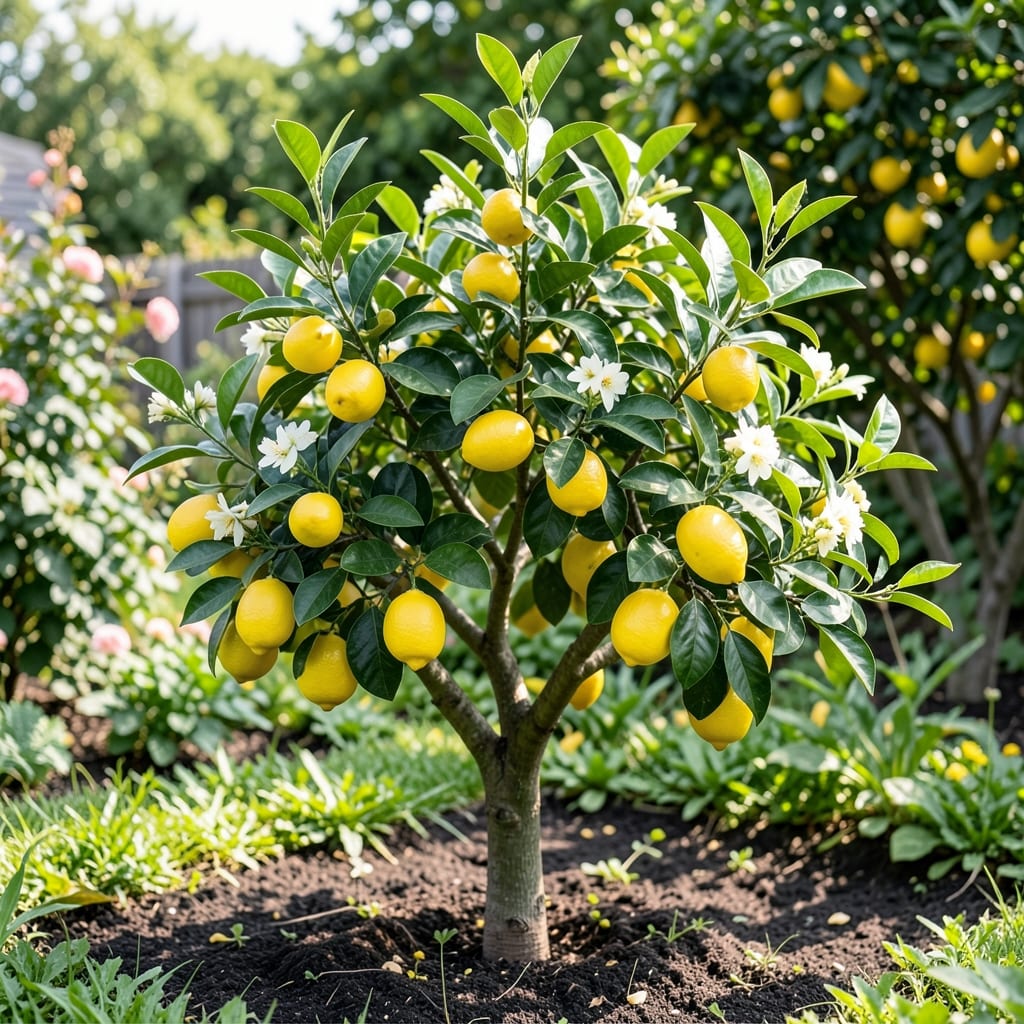
Lemons typically turn yellow as they ripen on the tree, though some varieties may retain green hues even when fully mature. The color change indicates sugar development and reduced chlorophyll.
This transformation happens as chlorophyll fades and carotenoids become more visible. I’ve noticed that climate and tree health can influence the timing—cooler temps often slow the process. Meyer lemons, for example, may stay partially green even when ripe, which can be misleading if you’re expecting classic bright yellow color. 💫
💡 In This Article
The color shift begins with chlorophyll breakdown. As lemons mature, the green pigment in their peel degrades, revealing the yellow carotenoids beneath. This process is triggered by ethylene gas and warm temperatures between 70-85°F, which accelerate ripening. The tree’s energy focuses on sugar development, converting starches into fructose and glucose. 🔥
Carotenoids, always present in lemon peels, become visible as chlorophyll fades. These compounds give lemons their vibrant yellow hue and also contribute to their nutritional value. In cooler climates below 50°F, the process slows dramatically, sometimes stalling color change even when the fruit is ripe.
This explains why some lemons stay green in certain growing regions.
Environmental factors play a huge role in this transformation. Sunlight exposure, for example, can create uneven coloring where shaded areas remain green. I’ve seen groves where lemons on the tree’s sunny side turn yellow first, while those in shade lag behind.
The sugar content typically reaches 8-10% in fully ripe fruit, making them sweeter than their green counterparts.
What many don’t realize is that some varieties like Sicily Lemon or Villa Franca naturally retain green streaks even at peak ripeness. These lemons are fully mature and just as sweet as all-yellow varieties. The color variation comes from genetic differences in chlorophyll retention, not immaturity. ✨
This biological process affects flavor development too. The balance between acidity and sweetness shifts as the fruit ripens, with citric acid levels decreasing by about 10-15%. That’s why tree-ripened lemons often taste more complex than those picked green and ripened off the tree. The tree’s natural processes create a more harmonious flavor profile.
The timing of this transformation varies by cultivar. Eureka lemons may take 6-9 months from flower to harvest, while Meyer lemons often ripen faster at 4-6 months. This difference in ripening periods affects when you’ll see that telltale yellow color emerge on the tree. 💫
Certain varieties like Meyer or Sicily retain green streaks due to genetic differences. Chlorophyll may persist even when sugar content is high. These are fully mature and just as sweet as all-yellow lemons.
Eureka lemons take 6-9 months from flower to yellow fruit, while Meyer lemons ripen faster in 4-6 months. Warm climates and ethylene gas speed up the process.
Yes, but the flavor won’t be as complex. Off-tree ripening lacks the tree’s natural sugar development. The color will change, but acidity remains higher than tree-ripened fruit.
Sunlight exposure creates this effect. Lemons on the sunny side turn yellow first, while shaded areas stay green. This doesn’t affect ripeness or taste, just appearance.